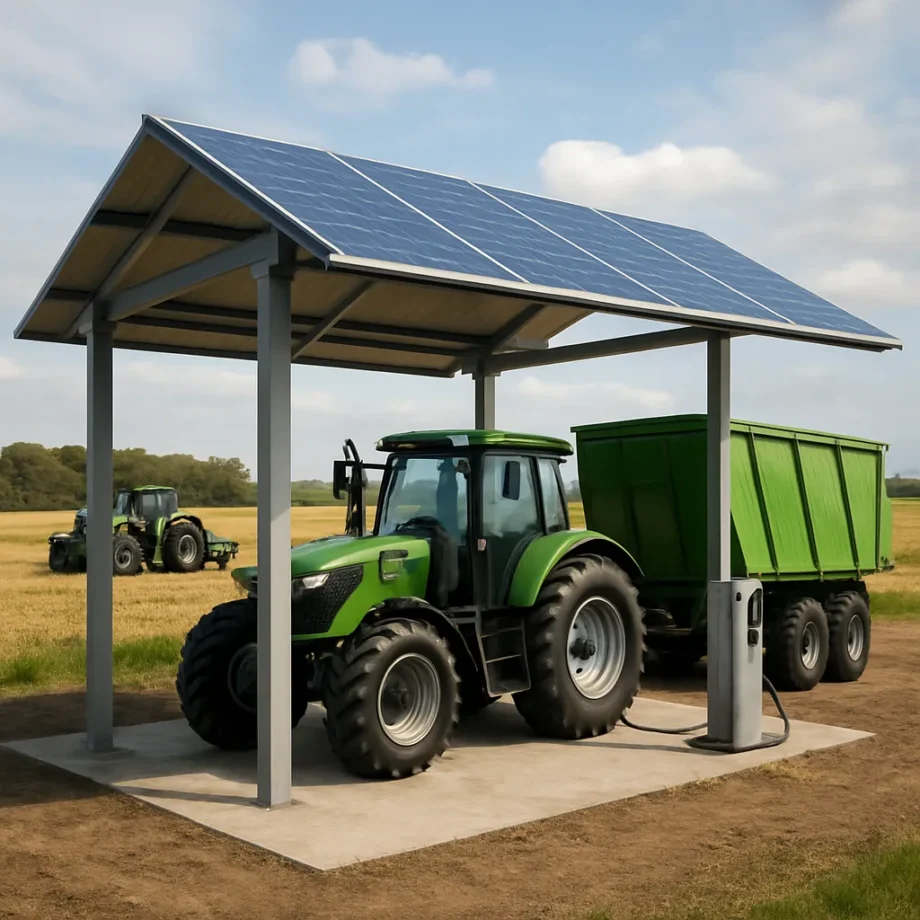
The evolution of agricultural machinery has accelerated in recent years, driven by technological advancements and a growing focus on sustainability. Among the most transformative innovations is the integration of solar charging stations to support electric farm fleets. This article explores various aspects of this paradigm shift in modern agriculture, examining the synergy between renewable energy infrastructure and cutting-edge machinery, and the long-term benefits for farmers, communities, and the planet.
Integration of Solar Charging Stations with Electric Tractors and Implements
Transitioning from diesel-powered tractors to electric alternatives necessitates a robust charging solution on-site. Renewable energy sources, particularly solar power, offer an ideal match for rural settings where grid connections can be unreliable or costly. Solar arrays mounted on sheds, barns, or over parking pads can harness sunlight throughout the day, feeding power directly into battery management systems designed for heavy-duty agricultural machinery.
On-Farm Installation Models
- Roof-Integrated Solar Canopies: Structures built over machinery parking areas, providing shade while generating power for electric tractors and combines.
- Ground-Mounted Arrays: Flexible layouts that optimize land use and allow for easy expansion as fleet size grows.
- Mobile Solar Trailers: Portable units that can be repositioned in fields, reducing downtime and ensuring continuous energy efficiency.
Charging Station Components
- Photovoltaic Panels with high conversion efficiency, tailored to agricultural environments and dusty conditions.
- Inverters and Power Converters that stabilize the current for direct battery charging.
- Advanced battery management units featuring real-time monitoring and thermal regulation to prolong battery life.
Benefits of Renewable Energy for Electric Farm Fleets
Adopting solar-powered charging infrastructure yields numerous advantages that resonate across operational, economic, and environmental domains. Farms equipped with these systems can reap immediate and long-term rewards:
Reduced Operational Costs
While the upfront investment in solar arrays and battery storage can be substantial, ongoing operational costs decline sharply. Sunlight is a zero-cost input; once installed, panels generate electricity for decades with minimal maintenance. This contrasts with volatile fossil fuel prices, which often place a heavy burden on farm budgets.
Enhanced Environmental Impact
Electric tractors and implements charged by solar power produce near-zero emissions, significantly lowering the farm’s carbon footprint. This transition aligns with global efforts to combat climate change and meets increasing consumer demand for sustainably produced food. Farms can also claim environmental credits and incentives, further enhancing their financial resilience.
Improved Energy Independence
Rural regions sometimes face power grid disruptions. Integrating on-site solar charging stations grants farmers energy independence, ensuring machinery remains operational during outages. Coupled with battery storage solutions, farms can operate autonomously, avoiding downtime and potential crop losses.
Challenges and Solutions in Deploying Solar-Powered Infrastructure
Despite clear benefits, several hurdles must be addressed to achieve seamless integration of solar charging stations on farms:
High Initial Capital Expenditure
- Solution: Leasing programs and government grants can offset upfront costs. Many regions offer tax credits specifically for renewable energy installations in agriculture.
- Partnerships with energy providers or agritech companies can enable shared investment models, reducing financial burden on individual farmers.
Variability of Solar Generation
- Solution: Hybrid systems combining solar panels with wind turbines or small-scale bioenergy units can create a more consistent power supply.
- Advanced battery management software can predict demand and store surplus energy during peak sun hours for use in cloudy periods.
Maintenance and Durability Concerns
- Solution: Selecting panels with robust frames and anti-soiling coatings minimizes cleaning frequency.
- Periodic inspections using drones and IoT sensors ensure early detection of faults, preserving energy efficiency and longevity.
Advancements in Smart Farming and Energy Management
The intersection of solar energy and electric machinery is part of a broader trend towards smart farming. Several emerging technologies complement this integration and further optimize farm operations:
Precision Agriculture with Solar-Powered Sensors
Solar-charged IoT devices, including soil moisture probes and weather stations, continuously transmit data to farm management platforms. Reliable power from on-site solar stations ensures these devices remain active, providing actionable insights that fine-tune irrigation, planting, and harvesting schedules.
Autonomous Electric Equipment
Robotic planters and harvesters, powered by batteries recharged at solar stations, navigate fields using GPS and machine vision. These systems lower labor requirements and can operate around the clock, boosting productivity and ensuring timely field operations.
Integrated Farm Management Software
Advanced platforms combine real-time energy data with machinery performance metrics. Farmers can track solar generation, battery health, and machine utilization in one interface, enabling data-driven decisions that maximize output and minimize waste.
Practical Case Studies of Solar-Charged Electric Fleets
Various farms worldwide are pioneering the use of solar charging stations for their electric machinery. These examples demonstrate the adaptability and scalability of the technology:
- In Southern California, a 500-acre vineyard installed a 250 kW solar canopy, powering a fleet of electric tractors and sprayers. Annual savings on diesel reached 40,000 gallons, with a return on investment (ROI) period of under five years.
- A cooperative in Northern Europe deployed mobile solar trailers across multiple member farms. Shared infrastructure reduced installation costs and improved collective sustainability credentials, boosting market appeal for their organic produce.
- In Australia’s outback, remote cattle stations equipped with hybrid wind-solar systems sustain electric water pumps and feeders, eliminating costly diesel deliveries and ensuring uninterrupted livestock management.
Strategic Considerations for Farmers and Agribusinesses
To optimize the benefits of solar-charged electric fleets, farm operators should consider the following strategic steps:
- Conduct an energy audit to understand current usage patterns and identify peak charging times.
- Evaluate site-specific solar potential using geographic information systems (GIS) and solar irradiance data.
- Partner with experienced renewable energy developers who specialize in agricultural applications.
- Seek available subsidies, tax incentives, and low-interest financing geared towards sustainable farming projects.
- Invest in training for machinery operators on best practices for electric equipment and battery care.
Future Trends in Solar-Electric Agriculture
Looking ahead, the synergy between electric farm fleets and solar charging stations is poised to intensify. Upcoming innovations include:
- Next-generation solar cells with higher efficiency rates and flexible form factors, enabling integration into tractor hoods or field shelters.
- Vehicle-to-grid (V2G) technology allowing idle electric machines to feed stored energy back into on-farm microgrids.
- AI-driven energy forecasting tools that optimize charging schedules in harmony with weather predictions and field operations.
- Collaborative energy networks where neighboring farms share excess solar power, enhancing community resilience.
By embracing renewable energy and electrified machinery, agriculture can reduce its environmental footprint and achieve greater economic stability. The integration of solar charging stations into farm infrastructure is not merely an upgrade—it represents a fundamental shift towards an efficient, resilient, and eco-friendly future for modern farming.