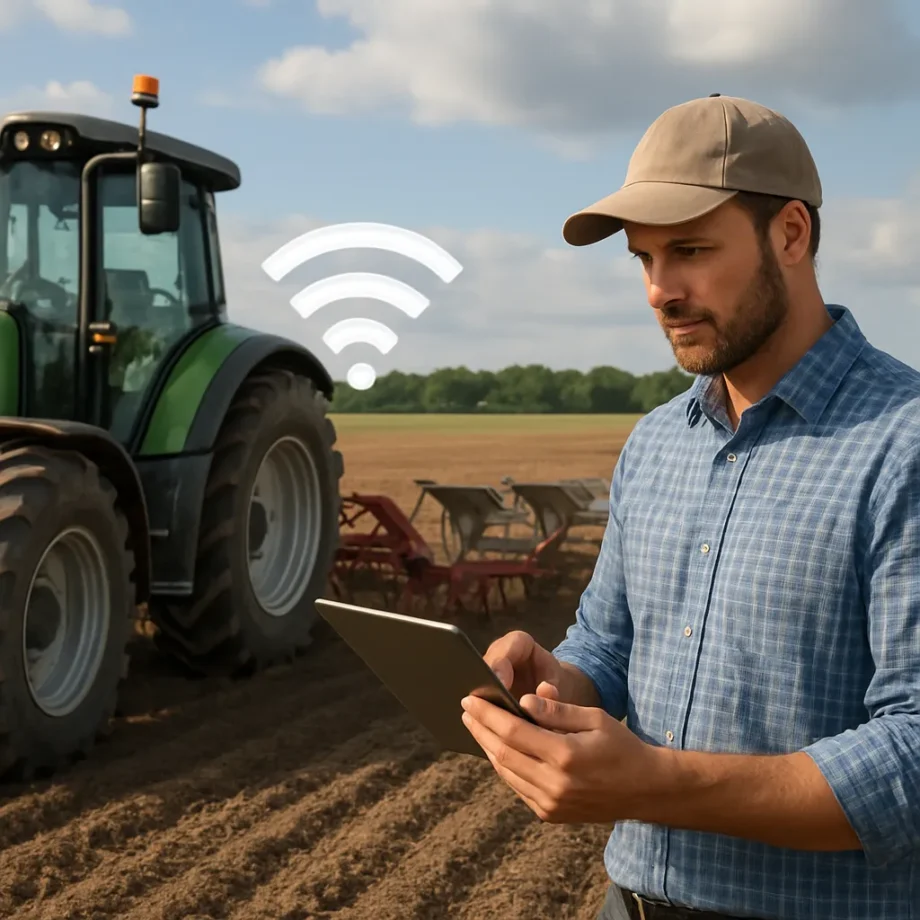
The agricultural sector is undergoing a profound transformation as machinery becomes the cornerstone of modern farming. From plows guided by satellites to harvesters equipped with advanced **sensors**, these innovations not only enhance productivity but also pave the way for sustainable resource management. This article explores how smart implements with built-in data systems are reshaping agriculture, delving into their development, practical applications, and the future challenges they face.
The Evolution of Smart Implements
Farming equipment has evolved dramatically over the past century. The earliest mechanized plows and tractors revolutionized labor, replacing animal power with **automation**. Yet, the true revolution began when precision technologies met traditional machinery:
- GPS Guidance Systems – Introduced in the 1990s, satellite-based guidance enabled farmers to drive straight lines across fields, reducing overlap and wasted fuel.
- Variable-Rate Technology – By adjusting seed, fertilizer, or pesticide application in real time, these systems optimize inputs according to soil variability, improving **efficiency** and yield.
- Real-Time Data Collection – Modern implements record a wealth of information, from soil moisture to equipment performance, storing it in onboard computers or transmitting it via cellular networks.
These advancements laid the groundwork for fully integrated implements. Today’s machines are networked hubs, combining **connectivity**, powerful processors, and user-friendly interfaces to deliver actionable field intelligence.
Data-Driven Precision Farming
Seeding and Planting
Accurate seed placement is vital for maximizing yield. Smart planters utilize row-by-row population monitoring and depth control, relying on:
- Seed Meters – Optical sensors detect singulation errors, ensuring one seed per cell and alerting operators to skips or doubles.
- Downforce Control – Hydraulic systems adjust pressure automatically, maintaining consistent depth across varying soil conditions.
- Prescription Maps – GIS-based maps guide implements to vary seeding rates according to soil fertility zones, supporting **sustainability** and resource conservation.
Cultivation and Nutrient Management
Once seeds are in the ground, cultivating and feeding crops becomes the focus. Multifunctional cultivators and spreaders offer:
- Soil Mapping – Sensors measure compaction, pH, and nutrient levels to produce detailed soil health profiles.
- Automatic Rate Adjustment – Spreaders equipped with flow meters regulate fertilizer distribution, preventing under- or over-application.
- Telemetry – Data is uploaded to cloud platforms, where agronomists can analyze trends, forecast nutrient requirements, and refine **analytics**.
Harvesting
Harvesters have become rolling laboratories, combining yield monitors with environmental sensors. Key features include:
- Yield Mapping – GNSS-linked sensors record crop weight and moisture content in real time, generating zone-specific yield maps for future planning.
- Grain Quality Assessment – Optical and near-infrared sensors evaluate protein and moisture, allowing on-the-go adjustments to harvesting parameters.
- Telematics – Live updates on machine health, fuel consumption, and performance metrics help in scheduling maintenance and **optimizing** operations.
Integration, Automation, and Future Trends
As smart implements become more sophisticated, the focus shifts from individual tools to fully integrated systems. This synergy promises to elevate productivity and sustainability:
Connected Farm Ecosystems
Modern farms leverage platforms that integrate data from tractors, drones, weather stations, and field sensors. Benefits include:
- Holistic Decision-Making – Farmers access unified dashboards for real-time insight into every aspect of production, from soil moisture to equipment status.
- Predictive Maintenance – Machine learning algorithms analyze usage patterns and sensor data to forecast breakdowns before they occur, reducing downtime.
- Remote Control – Implements can be monitored and managed off-site, enabling agribusinesses to deploy skilled technicians more efficiently.
Autonomous Machinery
Driverless tractors and robotic planters are no longer science fiction. With advancements in AI and computer vision, autonomous platforms offer:
- 24/7 Operation – Machines can operate day and night, harvesting or spraying when conditions are optimal, boosting **productivity**.
- Swarm Farming – Fleets of small robots collaborate across fields, reducing soil compaction and enabling precise care for each plant.
- Safety Protocols – LiDAR and radar systems detect obstacles and living creatures, preventing collisions and ensuring ethical stewardship of the land.
Challenges and Opportunities
Despite remarkable progress, several hurdles remain:
- Data Security – Protecting sensitive farm data from cyber threats is critical to maintaining trust in digital solutions.
- Standardization – Interoperability between different brands and systems is needed to avoid data silos and maximize the potential of integrated platforms.
- Training and Adoption – Operators require technical skills to harness these tools; investment in education and support services is paramount.
Looking forward, the convergence of smart implements, advanced analytics, and AI-driven insights will redefine agricultural boundaries. These technologies promise to feed a growing population while conserving precious resources, marking a new era in which data and machinery work hand in hand to shape the future of farming.