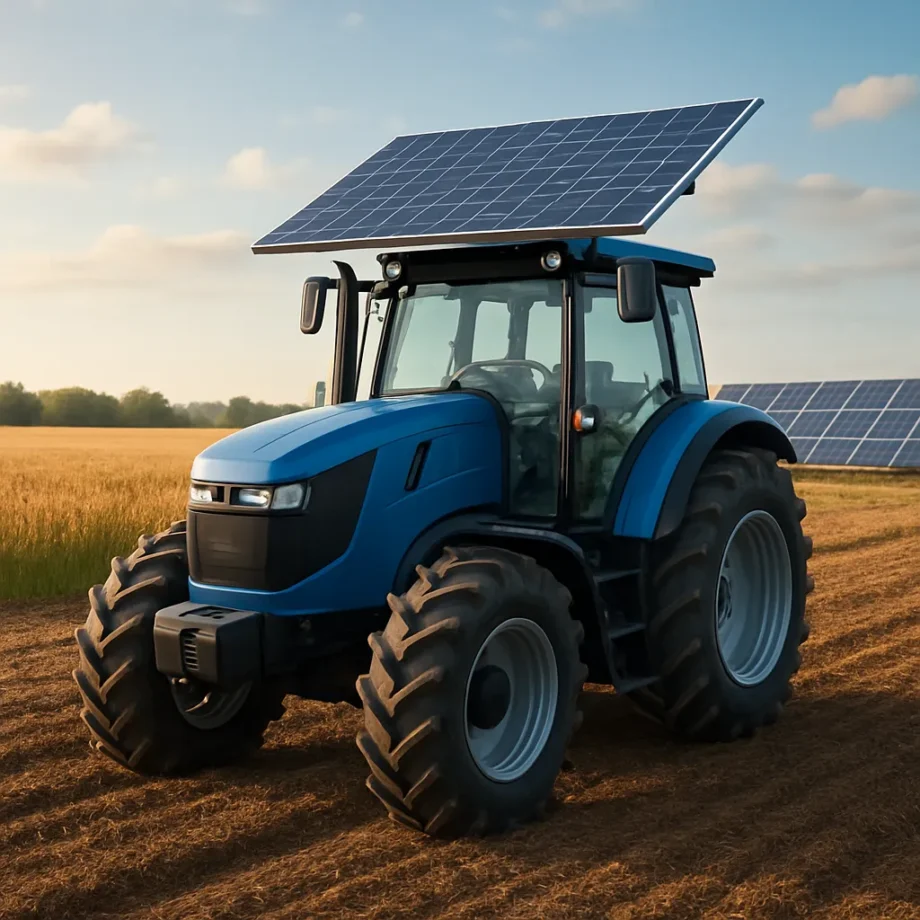
Modern agriculture is undergoing a profound transformation as farmers seek more sustainable and efficient solutions. Tractors once powered exclusively by diesel engines are now evolving into cutting-edge machines driven by electricity and solar energy. This article explores the latest trends in agricultural machinery, focusing on electric and solar-powered tractors. Each section delves into technological breakthroughs, operational advantages, environmental impacts, and the challenges that lie ahead for widespread adoption.
Advancements in Electric Tractor Technology
Electric tractors are reshaping the way farmers approach field work. Weighty diesel engines are replaced by compact electric motors, reducing mechanical complexity and maintenance. Leading manufacturers have introduced models with modular battery packs, enabling quick swaps in the field and unprecedented efficiency in crop operations. Several core innovations drive this revolution:
- Energy Storage: Next-generation lithium-ion and solid-state batteries deliver higher energy density, supporting all-day performance without recharging.
- Autonomy: Integrated sensor suites and GPS guidance systems allow semi-autonomous or fully autonomous operation, leveling steep terrain and navigating row crops with pinpoint accuracy.
- Technology Integration: Onboard telematics provide live data on power usage, soil conditions, and implement performance, enabling data-driven decisions.
Electric tractors also benefit from simpler powertrains. By eliminating gears, clutches, and complex hydraulic circuits associated with diesel models, these tractors offer reduced downtime and lower lifecycle costs. Manufacturers emphasize resilience by equipping vehicles with rugged electric drivetrains designed to withstand harsh agricultural environments.
Solar-Powered Integration and On-Field Charging Systems
Pairing solar energy with electric tractors addresses the challenge of recharging in remote fields. Innovative solar arrays can be mounted on trailers or fixed installations near barns and greenhouses. These systems harness renewable power and feed it directly into tractor battery packs. Key features include:
- Solar Integration: High-efficiency photovoltaic panels with advanced coatings to resist dust and moisture ensure consistent energy capture.
- Portable Charging Units: Lightweight, collapsible solar mats can be deployed along field edges, enabling mid-day top-ups during breaks.
- Hybrid Systems: Combination diesel-electric-solar tractors use solar to power auxiliary systems and reduce fuel consumption when battery reserves are low.
By integrating solar panels into farm infrastructure, operations become more self-sufficient and less reliant on grid electricity. Real-time monitoring of solar harvest and battery state of charge ensures that tractors remain operational during critical planting and harvesting windows. This synergy between solar arrays and electric drivetrains exemplifies how innovation drives sustainability in agriculture.
Benefits for Farmers and Environmental Impact
Transitioning to electric and solar-powered tractors offers multiple advantages for growers and the environment. Reduced emissions and quieter operation create a healthier work environment and lower farming’s overall carbon footprint. Specific benefits include:
- Emission-Free Operation: Zero tailpipe emissions eliminate soot, greenhouse gases, and odor associated with diesel combustion.
- Cost Savings: Electricity costs per hour of operation can be significantly lower than diesel, especially when combined with on-site solar generation.
- Noise Reduction: Electric motors run at lower decibel levels, allowing farmers to extend work hours into early morning or late evening without disturbing livestock or neighbors.
Moreover, quieter machines reduce operator fatigue, enhancing safety and productivity. Lifecycle analyses show that electric tractors produce fewer total emissions even when accounting for battery manufacturing. As grids become greener, the environmental benefits compound. The shift toward emission-free farm machinery aligns with global calls for greener supply chains and responsible food production.
Future Trends and Challenges
Despite impressive advances, several hurdles remain. Charging infrastructure in rural areas often lags behind, and the high upfront cost of electric tractors can deter cash-strapped farmers. Addressing these issues requires coordinated efforts from industry, government, and research institutions:
- Infrastructure Expansion: Rural charging stations with high-capacity transformers and renewable energy sources must become more widespread.
- Government Incentives: Subsidies, tax credits, and low-interest loans can lower the barrier to entry for farmers considering electric machinery.
- Standardization: Establishing universal battery modules and charging protocols will simplify maintenance and reduce costs across different equipment brands.
Researchers are also exploring next-generation materials for batteries that charge in minutes rather than hours, and solar panels with integrated trackers that follow the sun’s angle. As agriculture becomes more high-tech, collaboration between agronomists, engineers, and policymakers will be vital to foster an environment where electric and solar-powered tractors can thrive.
Adoption Barriers and Solutions
While interest is growing, adoption rates vary widely by region. Smallholders in developing countries face more pronounced financial barriers, whereas large-scale operations can amortize costs over bigger fleets. Effective strategies to accelerate uptake include:
- Cooperative Purchasing: Farmer cooperatives can pool resources to buy and share advanced machinery, spreading cost and risk.
- Training Programs: Hands-on workshops and digital tutorials help operators and technicians master the nuances of electric drivetrain maintenance.
- Public-Private Partnerships: Collaborative projects between governments, research centers, and manufacturers can pilot innovative financing models and showcase real-world performance.
By addressing financial, technical, and educational obstacles, stakeholders can ensure that even the most remote farms gain access to profitability gains brought by electric and solar-powered tractors. In doing so, the agricultural sector will move closer to a future characterized by innovation and environmental stewardship.