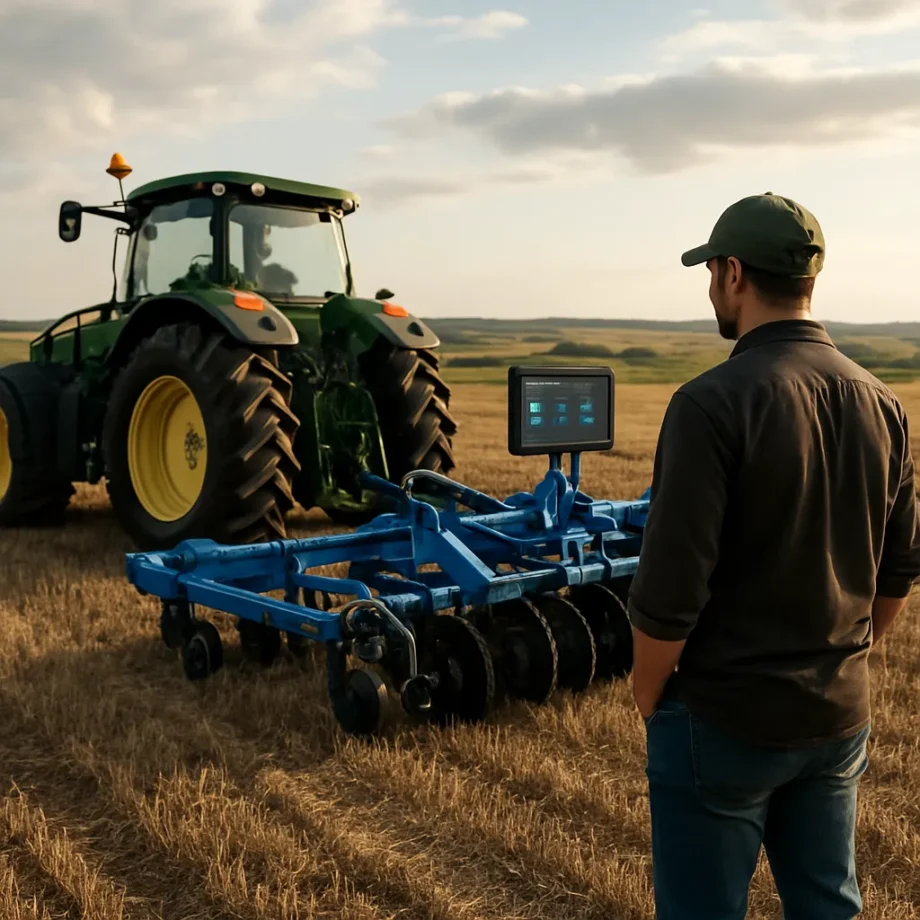
The agricultural landscape is undergoing a profound transformation, driven by digitalization and shifting economic models. Farmers are increasingly turning to subscription-based solutions for accessing equipment and services that were once too expensive or cumbersome to manage. This shift is not merely a matter of leasing or renting traditional tractors and combines; it represents a fundamental change in how agricultural machinery is designed, delivered, and maintained. By embracing innovation and leveraging a network of connected devices, these new models promise enhanced productivity, cost-efficiency, and long-term sustainability for farms of all sizes.
The Emergence of Subscription-Based Farming Equipment Models
The concept of subscription in agriculture takes inspiration from software-as-a-service (SaaS) and mobility services in the automotive sector. Rather than owning expensive machines outright, growers pay a recurring fee to access state-of-the-art machinery and digital tools. This fee often includes maintenance, software updates, and remote support. Major equipment manufacturers and agri-tech startups have introduced plans that cover:
- Tractors and harvester fleets with modular attachments
- Precision planting and fertilizing units
- Automated drones for crop monitoring
- Data analytics platforms delivering real-time insights
Such offerings allow farmers to adapt rapidly to changing crop patterns, weather fluctuations, and market demands without hefty upfront investments. Subscription models also foster a closer relationship between manufacturer and user, enabling continuous feedback loops for product improvement. By integrating connectivity features like IoT sensors and telematics, companies gather critical usage data to refine machine performance, proactively schedule repairs, and optimize resource allocation.
Benefits of Subscription Models for Modern Farmers
Enhanced Financial Flexibility
One of the most compelling advantages of subscription-based equipment is the reduction of capital barriers. Instead of allocating large sums for machinery purchases, growers can spread costs over months or years. This flexibility eases budgeting, especially for small and medium-sized operations, and allows investment in other vital areas such as seed quality or workforce training.
Guaranteed Uptime and Maintenance
Downtime can devastate seasonal farming operations. With subscription plans, equipment providers take responsibility for maintenance and repairs. Scheduled servicing visits and rapid response to breakdowns ensure machines remain operational during critical periods. Many contracts include predictive maintenance powered by AI-driven analytics, minimizing the risk of unexpected failures.
Access to Cutting-Edge Technology
Traditional ownership often means running older machinery longer to maximize the return on investment. Subscription-based models offer regular hardware and software upgrades, granting access to the latest features such as:
- Advanced autopilot functions
- Variable-rate sprayers and seed drills
- Cloud-based farm management dashboards
This continuous modernization fosters a culture of innovation on the farm, ensuring producers stay competitive in a rapidly evolving marketplace.
Technological Innovations and Digital Platforms
The shift to subscription-based equipment is inseparable from digital transformation. Key technological pillars include:
- Internet of Things (IoT): Sensors embedded in machines collect soil moisture, engine health, and usage metrics.
- Cloud Computing: Real-time analysis of agronomic data aids decision-making and remote diagnostics.
- Big Data Analytics: Patterns in yield, weather, and market trends are analyzed to optimize planting and harvesting schedules.
Integrated Farm Management Systems
Modern platforms consolidate multiple data streams into user-friendly interfaces. Farmers can monitor fuel consumption, track soil nutrient levels, and receive automated alerts for preventive tasks. Such data-driven approaches reduce waste, improve yields, and enhance resource stewardship.
Collaborative Ecosystems
Subscription services often connect farmers with agronomists, equipment technicians, and peer networks. Online communities and knowledge-sharing portals enable growers to exchange best practices, troubleshoot issues, and collectively negotiate better subscription terms through purchasing cooperatives.
Challenges and Future Outlook
Infrastructure and Connectivity
Reliable broadband and cellular coverage are prerequisites for real-time monitoring and remote updates. In regions with limited connectivity, the full potential of subscription-based services may remain untapped. Public-private partnerships and rural broadband initiatives will play crucial roles in bridging the digital divide.
Data Privacy and Ownership
As machines transmit vast quantities of operational data, questions arise concerning data sovereignty. Farmers need transparency on how their information is stored, who can access it, and how it is used. Building trust requires clear agreements and robust cybersecurity measures.
Cost-Benefit Analysis
While subscription models lower initial expenses, the total cost over time may exceed traditional ownership if usage rates are high. Producers must carefully evaluate contract terms, usage caps, and fee structures to ensure long-term cost-efficiency. Consulting with financial advisors and leveraging supporting analytics tools can aid in these decisions.
The Road Ahead
Despite the challenges, the subscription-based paradigm is poised for steady growth. Equipment manufacturers are exploring hybrid offerings, where farmers can mix owned assets with subscription rentals. Shared-ownership cooperatives and pay-per-acre models are also gaining traction. As sustainable practices become more critical, subscription plans incorporating carbon credits and resource-tracking add further appeal. Ultimately, the convergence of sustainability, digitalization, and financial innovation will redefine how the world’s food is grown, harvested, and delivered.