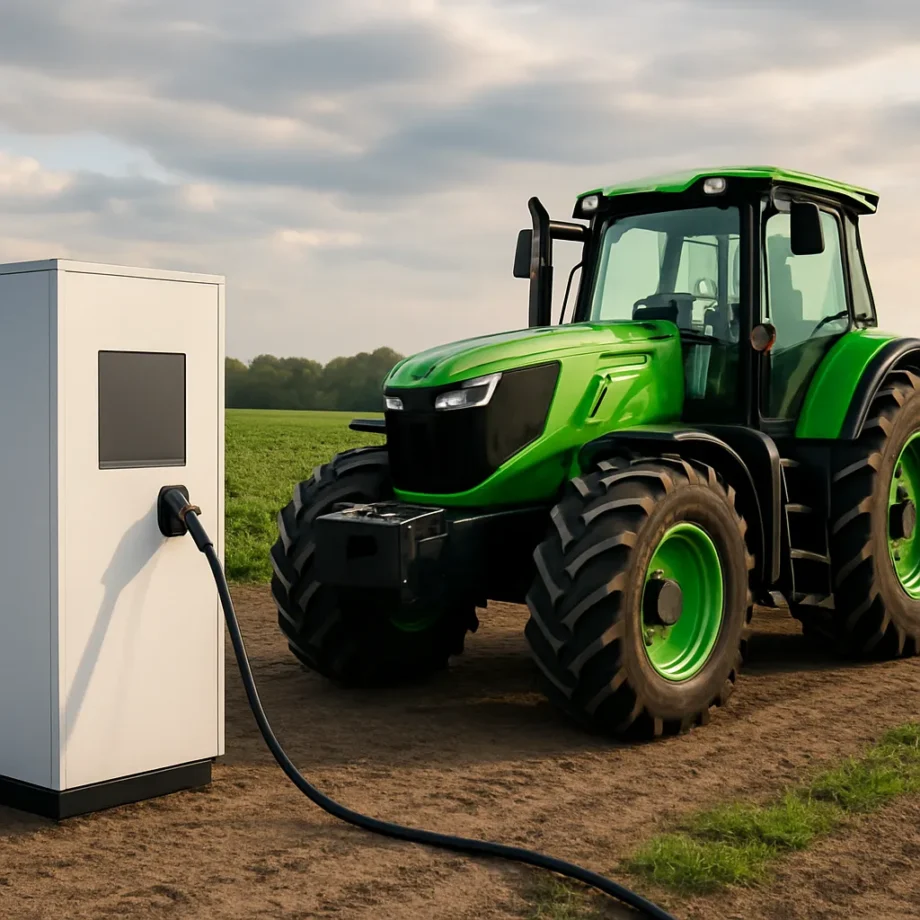
The surprising intersection of cutting-edge innovation and traditional farming has ushered in a new era for mechanized agriculture. As global demands rise and environmental concerns intensify, the focus on electrifying heavy-duty equipment is sharper than ever. This exploration dives into the transformative potential of next-generation battery solutions for electric tractors, examining how they integrate with broader trends in agriculture, reshape the daily lives of farmers, and redefine industry norms.
Emerging Battery Chemistries and Their Potential
Recent breakthroughs have pushed research beyond conventional lithium-ion packs. Novel solid-state designs, sodium-ion variants, and lithium-sulfur prototypes promise to enhance overall energy density, extend cycle life, and bolster safety under demanding field conditions. Key considerations include:
- Solid-state electrolytes: Improved thermal stability and reduced flammability.
- Sodium-ion cells: Lower cost raw materials, appealing for large-scale farm deployments.
- Lithium-sulfur systems: Potential for very high energy-to-weight ratios, critical for weight-sensitive machinery.
By targeting these chemistries, manufacturers aim to overcome the limitations of current packs, such as slow charging rates, limited depth-of-discharge, and environmental toxicity associated with heavy metals.
Design Principles for Electric Tractors
Tractor manufacturers are adopting a holistic approach that weaves in modularity, ease of maintenance, and adaptability to various implements. These principles ensure that electrified machines match or exceed the performance of diesel-powered counterparts:
- Modular battery swapping: Quick-change battery modules to maximize uptime during peak work windows.
- Scalable capacity: Customizable packs for different farm sizes and mission profiles.
- Thermal management: Integrated cooling and heating systems for reliable operation in extreme climates.
Such design strategies help optimize total cost of ownership by reducing fuel expenses, lessening dependency on fossil fuels, and enabling on-site energy management—especially when combined with renewable generation sources.
Charging Infrastructure and On-Farm Energy Ecosystem
Successful adoption of electric tractors hinges on a robust charging network both on and off the farm. Integrating with a broader ecosystem involves:
- High-power DC fast chargers at central farm hubs.
- Mobile charging trailers for remote fields.
- Vehicle-to-grid (V2G) capabilities to sell excess energy back to the grid or support local microgrids.
Farmers can pair these systems with solar arrays, wind turbines, or bioenergy plants to achieve unprecedented levels of sustainability. In periods of low grid demand, tractors can serve as energy buffers while idle, offering an additional revenue stream or cost offset.
Advances in Autonomy and Precision Farming
The rise of autonomous platforms is intimately tied to battery advancements. Electric drivetrains facilitate precise torque control, energy recuperation, and seamless integration with sophisticated sensors. Core benefits include:
- Enhanced efficiency through optimized field patterns and real-time adjustments.
- Reduced labor demands by enabling unmanned operation in challenging environments.
- Predictive maintenance powered by onboard diagnostics and telematics.
Pairing these capabilities with GPS-guided implements and AI-driven analytics creates a synergy that magnifies yield, conserves inputs, and minimizes soil disturbance.
Economic and Environmental Impact
Transitioning to electric machinery carries both upfront capital requirements and long-term benefits. Factors at play include:
- Lower operational costs: Reduced fuel consumption and simplified drivetrain maintenance.
- Policy incentives: Government subsidies, carbon credits, and tax breaks encouraging electrification.
- Carbon footprint reduction: Significant CO₂ savings over the lifecycle compared to diesel tractors.
When assessing return on investment, farmers must consider energy prices, local regulations on emissions, and the prospect of future upscaling as autonomy and remote monitoring platforms mature.
Challenges and Pathways to Adoption
Despite promising prospects, widespread uptake of electric tractors faces hurdles:
- High initial cost of advanced batteries and charging stations.
- Concerns over range limitations in vast or remote fields.
- Workforce training: Ensuring technicians and operators can service and use electrified equipment safely.
Collaboration among governments, equipment manufacturers, and agricultural organizations is essential to tackle these barriers. Pilot projects, educational programs, and bulk purchasing agreements can accelerate the shift toward zero-emission farming.
Future Outlook: From Battery Farms to Circular Economies
Looking ahead, the convergence of electrified machinery, renewable energy production, and digital connectivity will redefine the farm of the future. Recycling initiatives and second-life battery applications—such as stationary storage for night-time grid support—will foster a sustainability-focused, autonomy-enabled, and community-integrated model. By embracing continuous innovation in both hardware and software, the agricultural sector stands poised to revolutionize food production with cleaner, smarter, and more resilient mechanical solutions.