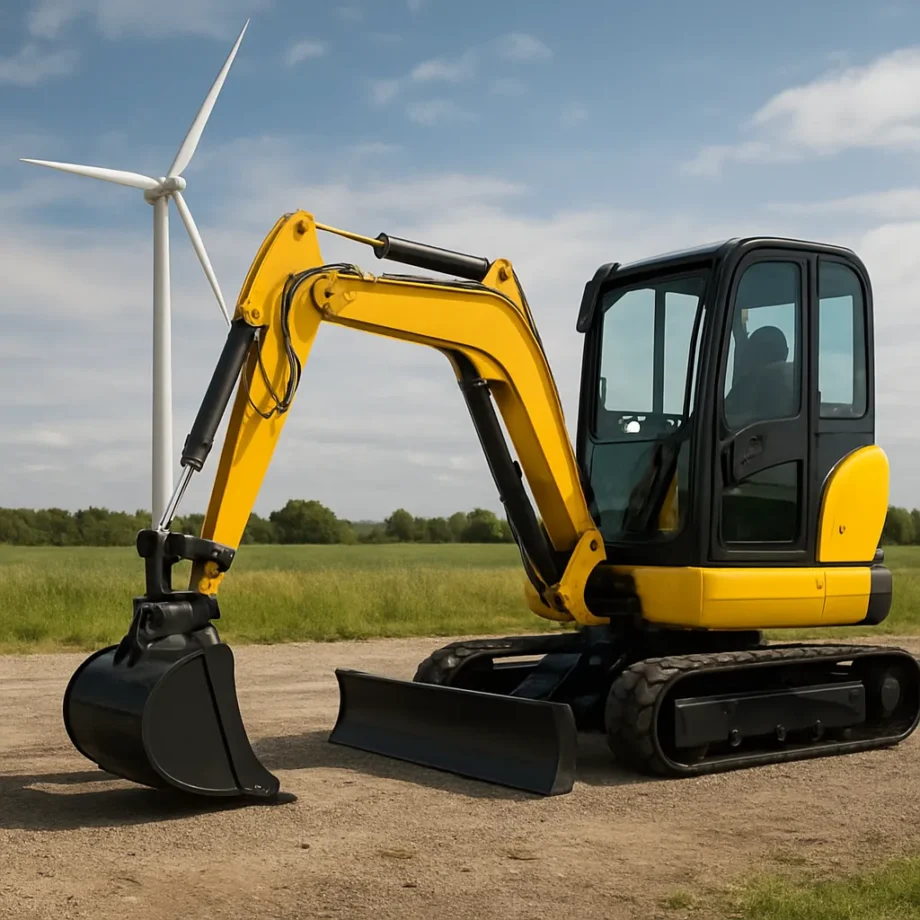
The Next Generation of agricultural machinery is redefining the way farms operate, blending cutting-edge engineering with digital intelligence to boost productivity and reduce environmental impact. As farms face mounting pressures—from resource scarcity to rising labor costs—the adoption of sustainable and energy-efficient equipment is becoming indispensable. This article delves into core developments in materials, power systems, precision tools, and autonomous functions that collectively shape tomorrow’s tractors, harvesters, and implements. Each section explores key innovations designed to deliver higher yields with lower inputs, paving the way for a more resilient global food supply.
Innovative Materials and Designs
Engineers are embracing advanced composites and alloys to create machines that are both lighter and stronger. By replacing traditional steel components with carbon-fiber-reinforced polymers or high-strength aluminum alloys, manufacturers achieve significant weight reductions without sacrificing structural integrity.
Lightweight Chassis and Frames
Switching to lighter materials yields multiple benefits:
- Reduced soil compaction, preserving field health
- Lower energy consumption during operation
- Improved maneuverability in tight or uneven terrain
These chassis explorations often involve modular designs, enabling farmers to swap attachments quickly and customize configurations for different tasks. Emphasis on lightweight yet robust frames also extends the lifespan of machines by minimizing wear and tear from repeated impacts.
Ergonomic Cab Structures
Operator comfort directly influences productivity and safety. New cab designs prioritize:
- Enhanced visibility through panoramic windows
- Vibration-dampening seats and mounts
- Integrated climate control with energy-saving pumps
By using foam-infused composite panels and optimized shell geometries, these cabs offer superior noise insulation and lower production costs. The attention to ergonomic detail underscores the commitment to reliability and operator well-being in demanding farm environments.
Energy-Efficient Powertrains
Power units are at the heart of any agricultural machine. The drive toward cleaner, more efficient engines and alternative energy sources is accelerating in response to global emission targets and volatile fuel prices.
Next-Generation Diesel Engines
Modern diesel powerplants incorporate advanced features like:
- Common-rail injection systems for precise fuel metering
- Variable geometry turbochargers to optimize air intake
- Selective catalytic reduction (SCR) for NOx reduction
Such enhancements achieve up to 20% better fuel economy and lower particulate output. The integration of onboard diagnostics ensures continuous monitoring, allowing timely maintenance and prolonging engine life.
Hybrid and Electric Alternatives
Hybrid drivetrains combine internal combustion engines with electric motors. Key advantages include:
- Instant torque delivery for heavy-duty tasks
- Regenerative braking to recapture energy
- Silent operation during transport or stationary work
Full-electric tractors are also emerging, particularly for small to mid-sized operations. These machines leverage high-capacity batteries and fast-charging systems to operate for a full day on a single charge. With renewable energy increasingly powering farm grids, electric models can deliver truly carbon-neutral performance.
Precision Agriculture and Smart Connectivity
Precision farming technologies harness data and automation to optimize every aspect of crop production. From planting to harvesting, integrated sensors and AI algorithms guide decision-making, maximizing output while minimizing waste.
Location-Based Guidance Systems
Global Navigation Satellite Systems (GNSS) allow machines to follow pre-programmed paths with centimeter-level accuracy. Benefits include:
- Reduced overlap during seeding and spraying
- Lower input costs by targeting only necessary areas
- Consistent field coverage regardless of light or weather
When combined with real-time kinematic (RTK) corrections, these systems achieve unmatched precision, exemplifying the power of precision agriculture in conserving resources and reducing environmental impact.
Internet of Things (IoT) and Fleet Management
IoT platforms link tractors, harvesters, drones, and stationary equipment in a cohesive network. Capabilities include:
- Remote monitoring of fuel levels, hour counters, and fault codes
- Predictive maintenance alerts to prevent breakdowns
- Dynamic task scheduling based on real-time field conditions
Connectivity features ensure seamless data exchange between the field and the farm office, empowering managers to allocate resources efficiently. Such integration underscores ongoing innovation in how machinery interacts with digital ecosystems.
Autonomous Operation and Robotics
The frontier of farm machinery lies in self-driving tractors and robotic implements capable of performing repetitive tasks with minimal human intervention. By blending machine vision, machine learning, and precise motion control, these systems push the boundaries of labor savings and consistency.
Unmanned Ground Vehicles (UGVs)
UGVs use lidar, stereo cameras, and ultrasonic sensors to navigate fields. Key features include:
- Obstacle detection and adaptive rerouting
- Seed planting, weeding, and nutrient application routines
- Collaborative behavior when operating alongside manned machines
Some UGVs boast solar panels on their roofs, drawing supplementary power from the sun to extend operational hours. This blend of robotics and solar integration highlights the role of renewable energy in future deployments.
Drone-Assisted Crop Management
Unmanned aerial vehicles (UAVs) equipped with multispectral cameras survey fields from above. Applications include:
- Early detection of pest infestations and disease hotspots
- Assessing plant health through normalized difference vegetation index (NDVI) mapping
- Precision spraying that targets only affected areas
Drones communicate directly with tractors and sprayers, enabling rapid response to evolving field conditions. The synergy between aerial reconnaissance and ground-based machinery exemplifies the power of connectivity and automation in modern agriculture.
Future Directions and Emerging Trends
As the industry advances, several trends promise to further transform agricultural machinery:
- Adoption of bio-based lubricants and fluids to reduce reliance on fossil fuels
- Integration of blockchain for transparent supply chain tracking
- Enhanced human-machine interfaces powered by augmented reality (AR)
- Swarm robotics enabling coordinated fleets of micro-machines
Collectively, these innovations will forge a new era of farm equipment that is more efficient, resilient, and adaptable than ever before. Manufacturers, researchers, and farmers are collaborating to ensure that tomorrow’s machinery not only meets production demands but also addresses the environmental and societal challenges of a rapidly changing world.