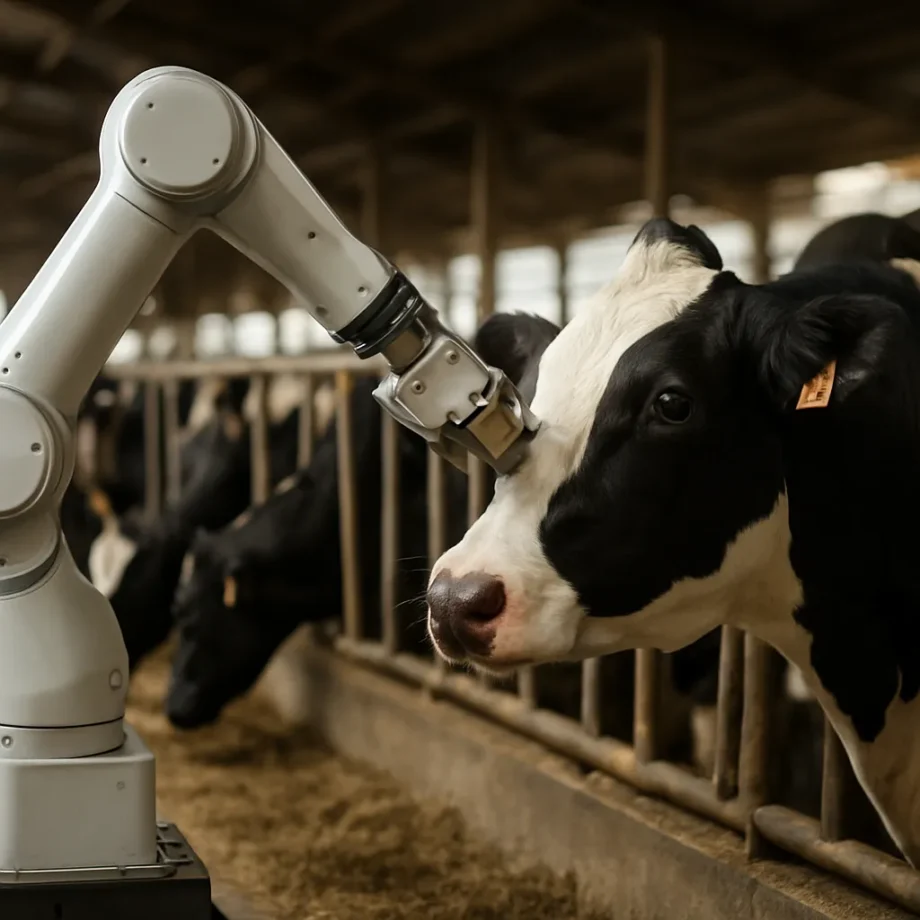
The adoption of advanced machinery has catalyzed a transformative era in the realm of agriculture. From the early days of horse-drawn plows to today’s autonomous vehicles, the integration of cutting-edge technology is reshaping how farmers cultivate land, manage livestock, and optimize yields. This exploration delves into the multifaceted world of agricultural machinery, with a special focus on the synergy between robotics and precision livestock farming. Through understanding the evolution, current applications, and future prospects, we gain insight into a sector on the verge of unprecedented efficiency and sustainability.
Evolution of Agricultural Machinery
Over centuries, agricultural machinery has evolved from simple mechanical tools to highly sophisticated systems that combine automation, sensor networks, and data-driven analytics. Key milestones in this journey include:
- Early Innovations: The transition from manual labor and animal power to steam engines in the 19th century marked the first major leap in mechanization.
- Internal Combustion Era: Tractors equipped with gasoline and diesel engines enabled farmers to cover larger areas with efficiency and speed.
- Digital Revolution: GPS-guided implements and computer-controlled planters began to appear in the late 20th century, giving rise to precision agriculture.
Key Components of Modern Machinery
- Sensors: Soil moisture probes, nutrient detectors, and weather stations provide real-time field data.
- Connectivity: Wireless protocols such as LoRaWAN and 5G enable seamless data transfer between machinery and farm management platforms.
- Actuators and Controllers: Electric and hydraulic actuators translate digital commands into physical actions, such as variable-rate seeding.
Robotics in Precision Livestock Management
The intersection of robotics and livestock farming is redefining animal husbandry with a focus on welfare, productivity, and resource conservation. Robotics systems now perform tasks traditionally handled by human workers, including feeding, monitoring, and sorting animals. Critical innovations include:
- Automated Feeding Stations: Robots dispense tailored rations based on individual animal requirements, improving nutrient uptake and reducing waste.
- Health Monitoring Bots: Equipped with cameras and biosensors, these robots track vital signs, detect lameness, and alert farmers to anomalies.
- Milking Robots: Automated milking systems use robotic arms and artificial intelligence to ensure consistent milking schedules and enhance udder health.
Advantages of Robotic Livestock Systems
- Labor Optimization: Reduces the physical burden on farmhands and addresses workforce shortages.
- Enhanced Animal Welfare: Continuous monitoring leads to early detection of illness and stress, ensuring prompt intervention.
- Data-Driven Decisions: Aggregated data on feed consumption, milk yield, and behavior patterns supports strategic management.
Enhancing Sustainability and Productivity
Modern agricultural machinery and robotics do more than streamline operations; they contribute significantly to sustainability and environmental stewardship. By optimizing input usage and minimizing waste, these technologies help farmers achieve higher outputs with fewer resources.
Resource Efficiency
- Variable-Rate Application: Implements adjust fertilizer and pesticide distribution on-the-go, lowering chemical runoff.
- Precision Irrigation Systems: Drip and robotic irrigation systems ensure water is delivered directly to root zones, reducing evaporation and runoff.
- Renewable Energy Integration: Solar-powered sensors and machinery charging stations minimize the carbon footprint of farm operations.
Yield Optimization
Through continuous monitoring and adaptive control, robotics-enabled machinery can:
- Predict optimal planting times via predictive analytics based on weather and soil data.
- Adapt cultivation practices dynamically, ensuring uniform yield and reduced crop stress.
- Streamline harvest schedules, deploying automated harvesters that operate day and night with precision guidance.
Future Innovations and Implementation Challenges
Even as promising prototypes and pilot projects proliferate, several challenges must be addressed to unlock the full potential of robotic agricultural machinery.
Scalability and Affordability
- Cost Barriers: While large-scale operations may absorb the expense, smallholders require accessible financing models and modular systems.
- Standardization: Interoperable components and open protocols are essential to preventing vendor lock-in and enabling broader adoption.
Data Management and Cybersecurity
- Data Volume: High-frequency sensor data and video streams demand robust storage, processing, and edge-computing solutions.
- Security Risks: Protecting sensitive farm data from cyberattacks is paramount for maintaining operational integrity and trust.
Regulatory and Ethical Considerations
- Animal Welfare Regulations: Ensuring robotic interaction complies with humane treatment standards is vital.
- Environmental Policies: Machinery emissions and land-use impacts must align with evolving sustainability regulations.
As the agricultural sector navigates these complexities, the fusion of robotics, connectivity, and advanced analytics promises to usher in a new era of resilient, productive, and environmentally responsible farming. Embracing these innovations will be key to meeting the growing global demand for food while safeguarding our planet’s precious resources.