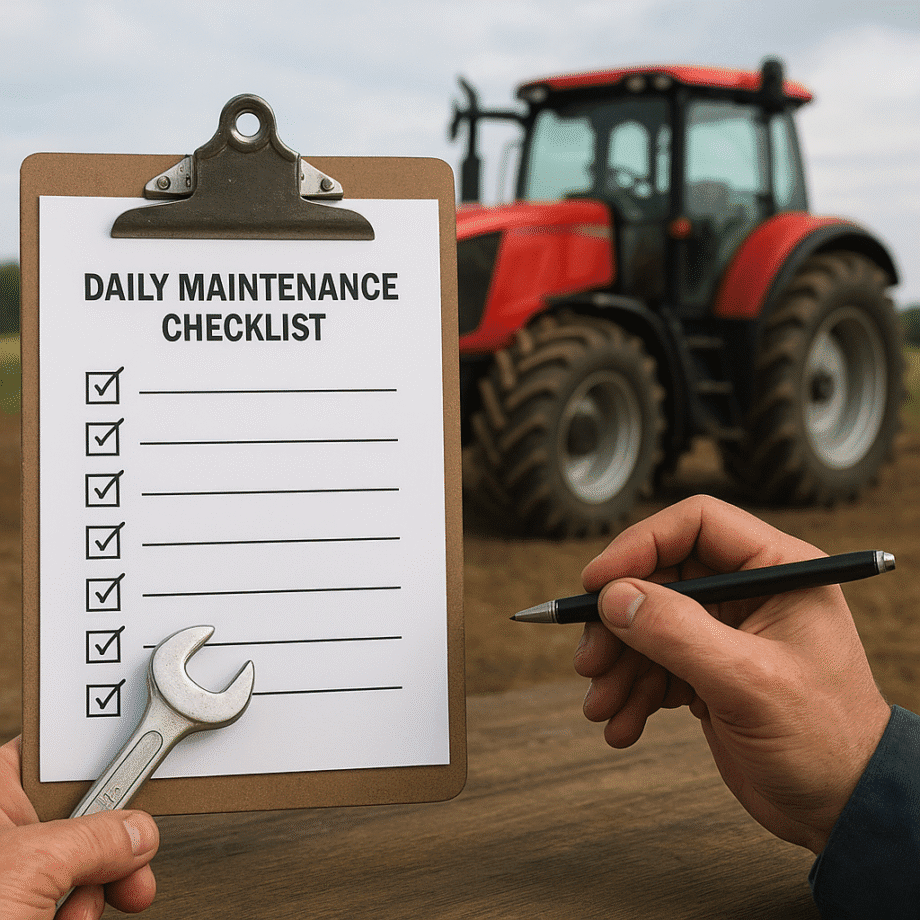
The reliability of agricultural equipment depends on consistent attention to detail, methodical inspections, and timely upkeep. Effective maintenance not only prolongs the lifespan of valuable tractors, harvesters, and tillage implements but also enhances field performance, minimizes downtime, and safeguards operator welfare. Integrating a structured routine into daily operations can transform reactive repairs into proactive care, boosting overall farm productivity.
Maintenance Fundamentals for Agricultural Equipment
Understanding the core principles of machine care sets the stage for efficient operations. Each piece of machinery, from plows to balers, presents unique challenges that require tailored strategies. Emphasize the following:
- Safety: Adopt lockout procedures, ensure proper signage, and verify all guards are in place before commencing any inspection.
- Inspections: Conduct routine visual checks for leaks, wear, and loose connections. Early detection prevents costly breakdowns.
- Lubrication: Follow manufacturer charts to apply the correct grease or oil at specified intervals. Adequate lubrication reduces friction and component fatigue.
- Documentation: Record hours of service, parts replaced, and irregularities encountered. A thorough log supports data-driven improvements.
Essential Tools and Supplies
- Quality grease guns with pressure gauges.
- Portable fluid pumps for hydraulic and engine oils.
- Torque wrenches calibrated to equipment specs.
- Filter removal kits and seal installation tools.
Daily Maintenance Procedures
Implementing a concise checklist each morning lays the groundwork for uninterrupted fieldwork. Even small oversights can compound into significant repairs if ignored.
- Fluid Levels: Confirm engine oil, coolant, transmission fluid, and hydraulic reservoirs meet recommended marks.
- Air Filters: Inspect for dust accumulation, clean pre-filters, and replace elements when clogged beyond cleaning.
- Tire Condition: Measure tread depth and inflation pressure. Adjust according to load and terrain.
- Belts and Hoses: Look for cracks, bulges, or glazing. Replace any items showing signs of deterioration.
- Battery Health: Check terminals for corrosion, ensure tight connections, and test voltage output.
- Grease Points: Apply grease to chassis joints, wheel bearings, and pivot points following the service manual.
Pre-Start Engine Checks
Prior to activating the engine, perform these quick verifications:
- Confirm safety interlocks and seat switches are operational.
- Ensure the fuel tank cap is sealed to prevent contaminants from entering.
- Ventilate the operator station to clear fumes from overnight.
Advanced Diagnostics and Calibration
Beyond routine checks, harnessing advanced tools can pinpoint inefficiencies and avert larger failures. Technology integration empowers precise interventions.
- Diagnostics: Use on-board monitoring systems or handheld scanners to retrieve fault codes. Address sensor malfunctions promptly.
- Calibration: Align GPS-guided implements and auto-steer systems at the start of each season. Accurate calibration ensures uniform coverage.
- Performance Testing: Conduct field trials under varied loads to evaluate powertrain response and hydraulic flow rates.
- Software Updates: Keep control module firmware current to optimize engine maps and emission controls.
Hydraulic System Focus
Hydraulics drive many essential functions, from loader arms to seed drills. Key actions include:
- Testing relief valve pressures to match manufacturer tolerances.
- Sampling fluid for moisture or particulate contamination.
- Replacing suction screens and breathers annually.
Preventive Care Strategies
Long-term reliability stems from a combination of thoughtful planning and regular interventions. Schedule comprehensive sessions during off-peak periods to address complex repairs.
- Component Overhauls: Rebuild gearboxes and hydraulic pumps based on service life rather than waiting for failure.
- Seasonal Inspections: Before winter storage, drain and replace fluids prone to degradation, such as coolant and brake fluid.
- Spare Parts Inventory: Maintain critical spares—filters, belts, couplings—to expedite urgent repairs.
- Training: Educate operators on best practices, machine-specific quirks, and emergency shutdown procedures.
Storage and Protection
Protect equipment from environmental damage when idle:
- Store under covered facilities or use breathable tarps to shield from UV exposure.
- Position on level, gravel-lined pads to prevent moisture buildup beneath tires.
- Disconnect batteries and employ maintenance chargers to preserve life.
Enhancing Reliability Through Continuous Improvement
Fostering a culture of proactive maintenance yields dividends in machine uptime, field efficiency, and cost savings. Regularly review maintenance logs to identify recurring issues and implement process refinements. Encourage feedback from operators, incorporate new technology solutions, and stay abreast of industry innovations to optimize fleet performance.