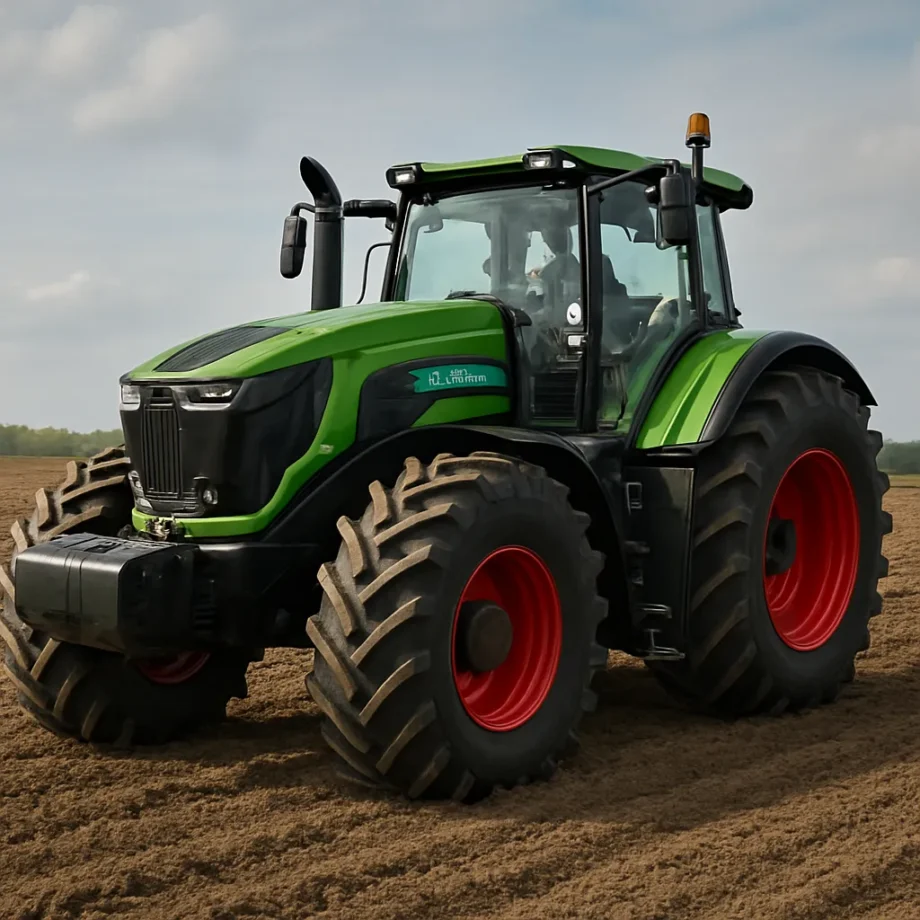
The evolution of agricultural machinery is entering a transformative era as manufacturers and farmers explore the potential of hybrid tractors. By combining electric and diesel power, these versatile machines promise to deliver enhanced performance, reduced environmental impact, and new opportunities for integration with advanced farming technologies. Hybrid tractors are poised to reshape farm operations, offering a blend of reliability and cutting-edge features that cater to the demands of modern agriculture.
The Rise of Hybrid Power in Tractors
Traditional farming equipment has long relied on diesel engines for raw power and durability. However, rising fuel costs, stringent emissions regulations, and growing demands for sustainability have driven the search for alternative power sources. Hybrid tractors, which pair a conventional diesel engine with an electric drivetrain, represent a promising compromise, harnessing the benefits of both technologies. The electric motor can handle low-speed tasks, such as idling, transport between fields, or precision work, while the diesel engine kicks in for heavy-duty operations, plowing, or long-haul travel.
This dual-power arrangement enhances overall efficiency by optimizing energy use. For example, regenerative braking systems can capture kinetic energy during deceleration and store it in onboard batteries, reducing fuel consumption. In field tests, hybrid models have demonstrated fuel savings of up to 25 percent compared to pure diesel counterparts. As a result, farmers can operate longer, minimize downtime at refueling stations, and lower long-term operating costs without sacrificing productivity.
Key Components and Technological Innovations
Hybrid tractors integrate a complex array of mechanical and electronic subsystems. Key elements include:
- High-capacity battery packs: These batteries store electrical energy for traction motors and auxiliary systems. Advances in lithium-ion and solid-state chemistries have boosted energy density and cycle life, enabling longer electric-only operation periods.
- Electric traction motors: Designed to deliver instant torque, these motors excel in low-speed, high-precision tasks. The seamless torque curve improves responsiveness during planting, seeding, and soil cultivation.
- Efficient diesel engines: Modern diesel units feature turbocharging, direct injection, and variable valve timing for enhanced power output and reduced fuel use. When paired with an electric drivetrain, the diesel engine can operate in its most efficient RPM range.
- Power management systems: Advanced control units orchestrate the interaction between electric and diesel modes, ensuring smooth transitions and optimal energy flow. Intelligent software can predict power demands based on terrain, implement regenerative braking, and manage battery charging schedules.
- Telematics and connectivity modules: Real-time data transmission enables remote monitoring of fuel levels, battery charge, maintenance alerts, and performance metrics. Integrated GPS and GIS systems support precision mapping, field scouting, and automated guidance.
These technical advances underscore a new era of innovation in farm machinery, where digital tools and mechanical prowess work in concert. The enhanced resilience of hybrid systems ensures that farmers can tackle diverse tasks without compromising reliability.
Environmental and Economic Impact
Reducing the carbon footprint of agriculture is a global priority. Hybrid tractors address the challenge by cutting back on greenhouse gas emissions and particulate pollutants. During light-duty operations such as field preparation or transport, the electric drivetrain can run with zero tailpipe emissions. Even when the diesel engine engages, overall fuel consumption is lowered, resulting in fewer gas emissions per hectare cultivated.
Economically, hybrid tractors offer several benefits:
- Lower fuel expenses: Less reliance on diesel translates directly into reduced fuel bills.
- Incentives and subsidies: Many governments provide grants, tax credits, or low-interest loans for adopting low-emission farm equipment.
- Extended maintenance intervals: Electric motors require less routine servicing than internal combustion engines, cutting labor and parts costs.
- Improved asset value: Hybrid models often retain higher resale value due to their advanced technology and lower operational costs.
Collectively, these factors yield a favorable return on investment, making hybrid tractors an attractive proposition for both large-scale enterprises and small family farms.
Integration with Precision Agriculture
Farming today is driven by data, and hybrid tractors are designed to dovetail with precision agriculture platforms. Onboard sensors and connectivity enable real-time mapping of soil conditions, moisture levels, and crop health. Automated guidance systems can steer the tractor along optimized paths, reducing overlap and ensuring uniform coverage.
Key benefits of this integration include:
- Enhanced productivity: Smart algorithms adapt engine power and electric torque to field conditions, maximizing work rates.
- Variable-rate application: Fertilizers, seeds, and agrochemicals can be applied precisely where needed, conserving inputs and boosting yields.
- Data-driven decision-making: Aggregated performance metrics help farmers refine planting schedules, rotation schemes, and equipment utilization.
- Remote diagnostics: Manufacturers and service providers can access telematics data to diagnose issues, schedule maintenance, and even deploy over-the-air software updates.
The seamless integration of hybrid tractors into a connected ecosystem exemplifies the drive toward smarter, more sustainable farming. Furthermore, the flexibility of hybrid drivetrains ensures compatibility with a wide array of implements, from seed drills to balers and sprayers.
Challenges, Adoption, and Future Outlook
Despite the promise of hybrid tractors, several hurdles remain:
- Initial purchase price: Hybrid models typically carry a premium over standard diesel tractors, which can deter budget-conscious operators.
- Battery longevity and recycling: Ensuring the safe disposal or repurposing of spent battery modules is crucial for long-term environmental stewardship.
- Charging infrastructure: In-field charging stations or mobile energy units may be required to support extended electric operation, especially on large farms.
- Operator training: Familiarity with dual-mode controls, energy management strategies, and telematics platforms necessitates new skill sets for farm workers.
Nevertheless, market forecasts anticipate steady growth in hybrid tractor adoption over the next decade. Advances in battery technology, coupled with economies of scale, will drive down costs, while stricter emissions regulations will accelerate the shift away from diesel-only machines. As manufacturers refine hybrid architectures and integrate renewable energy sources such as solar and wind into charging solutions, hybrid tractors will become key assets in the global effort to modernize agriculture.
Looking forward, the convergence of electrification, automation, and data analytics will redefine the role of tractors on the farm. Fully autonomous hybrids may soon perform planting, harvesting, and transport with minimal human intervention, maximizing resource use efficiency and crop quality. The future of farming machinery rests on the successful fusion of complementary power sources and the intelligent systems that govern them, paving the way for more resilient, productive, and eco-friendly agriculture.