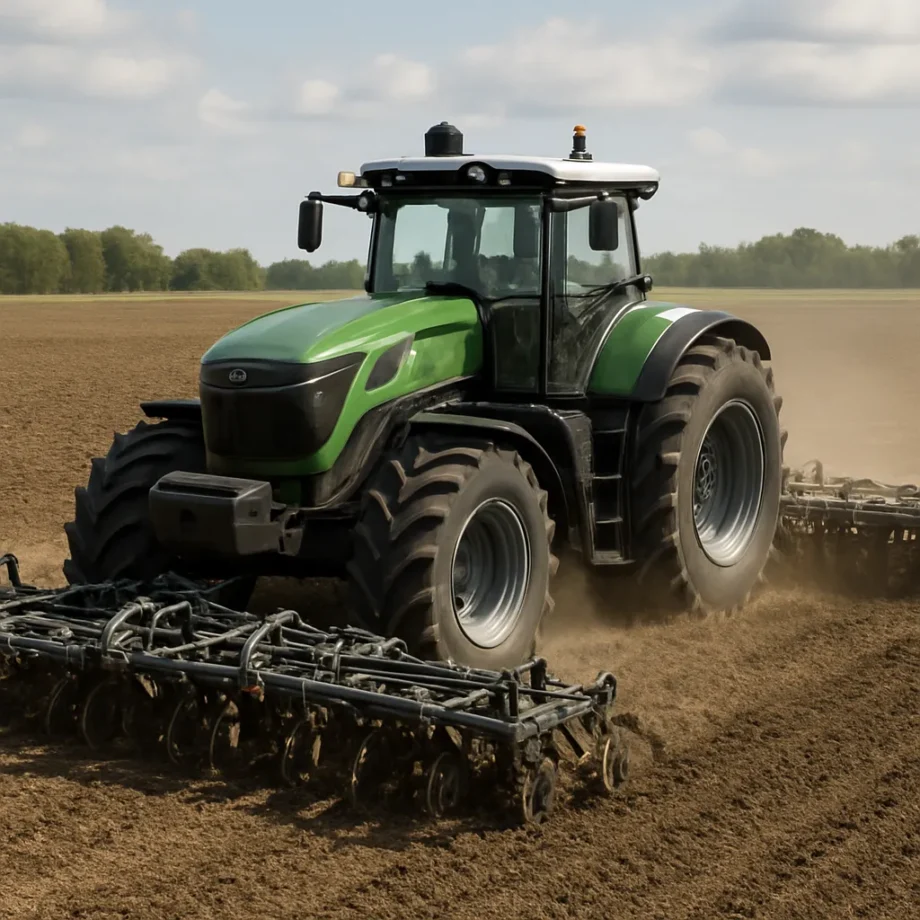
Advancements in technology are poised to revolutionize the modern farm, ushering in an era where autonomous vehicles work side by side with human operators or even independently to cultivate, monitor, and harvest crops. As labor shortages intensify and environmental pressures mount, farmers are increasingly turning to innovation to maintain productivity while reducing resource consumption. This article explores the latest trends in fully autonomous farm machinery, examining the driving forces, underlying technologies, real-world applications, and future prospects that will reshape global food production.
Technological Foundations of Autonomous Machinery
The rise of self-driving cars has paved the way for similar breakthroughs in the field of agriculture. At the heart of this transformation lie several core technologies:
- AI and Machine Learning: Algorithms learn from vast datasets to recognize crop health, detect weeds, and optimize driving paths.
- sensors and IoT Devices: Multispectral cameras, LiDAR, GPS modules, and soil moisture probes feed real-time data to control systems.
- Connectivity Networks: 5G and LPWAN (Low-Power Wide-Area Network) architectures ensure constant communication between machines and cloud services.
- Edge Computing: Onboard processors analyze critical data instantly, reducing reliance on external servers for time-sensitive decisions.
- Advanced Actuators and Mechanical Design: Precision steering systems, hydraulic controls, and adaptive implements enable accurate field operations.
Machine Vision and Navigation
Modern autonomous tractors and harvesters utilize sophisticated sensors to map the terrain and identify obstacles. Cameras capture high-resolution images, while LiDAR systems generate 3D point clouds to build a detailed digital twin of the farm environment. Fusing data from these sources, vehicles can:
- Follow preplanned routes within one to two centimeters of accuracy.
- Avoid collisions with people, animals, and infrastructure.
- Adapt dynamically to changing field conditions like soft soil or waterlogged areas.
Artificial Intelligence and Data Analytics
Embedded AI modules process sensor inputs to detect patterns invisible to the human eye. For instance:
- Computer vision models classify crop species and assess growth stages.
- Predictive analytics forecast yield based on historic and live data streams.
- Reinforcement learning optimizes implement settings (depth of tillage, speed, application rate of fertilizers) for maximum efficiency and minimal soil disturbance.
Advantages of Fully Autonomous Farm Equipment
Embracing robotics and self-operating machinery offers substantial benefits across environmental, economic, and social dimensions:
- Enhanced Productivity: Machines can operate 24/7, speeding up key operations such as planting and harvesting during narrow windows.
- Reduced Labor Costs: A single operator can supervise multiple units remotely, addressing labor shortages in rural regions.
- Resource Conservation: Precise application of water, fertilizers, and pesticides drives down inputs and minimizes runoff, supporting sustainability goals.
- Improved Safety: Automated systems monitor operator fatigue and handle hazardous tasks in extreme weather or rough terrain.
- Scalability: Modular robotic platforms can be added or reconfigured to match farm size and changing crop rotations.
Case Study: Autonomous Stripping System
One innovative solution employs a fleet of small, four-wheel robots to perform mechanical weed control between crop rows. Seeds are sown with millimeter-level accuracy thanks to GPS guidance, and precision hoe blades remove unwanted plants without chemical inputs. Farmers have reported up to a 30% increase in yield and a 25% reduction in herbicide use, illustrating the synergy between robotics and eco-friendly practices.
Challenges and Barriers to Adoption
Despite the promise, widespread deployment of fully autonomous farm machinery faces several hurdles:
High Capital Expenditure
Cutting-edge robots and their supporting infrastructure represent a significant upfront investment. Many small and medium-sized farms struggle to allocate budgets for pilot projects, let alone full-scale adoption. Lease-to-own models and government subsidies can help, but cost remains a primary barrier.
Regulatory and Safety Concerns
Moving large, unmanned vehicles across public roads or near property boundaries raises complex regulatory questions. Authorities must establish frameworks for liability, data privacy, and fail-safe mechanisms. In addition, ensuring that machines behave predictably in mixed-use environments with humans and domestic animals is critical for gaining public trust.
Technical Limitations and Interoperability
Fragmented standards among manufacturers can lead to compatibility issues when combining equipment from different vendors. Moreover, connectivity gaps in remote areas may compromise real-time control. Efforts to standardize communication protocols, such as ISO 11783 (ISOBUS) extensions for data sharing, are underway but not yet universal.
Future Outlook and Emerging Trends
As researchers and companies continue to refine technologies, the next decade promises even more transformative developments:
Swarm Robotics
Instead of relying on a few large machines, a network of dozens or hundreds of smaller robots can collaborate on tasks. Swarm intelligence algorithms enable these units to coordinate, distribute workload, and adapt collectively to field variations. This innovation could reduce soil compaction and offer greater redundancy.
Bio-Inspired Design
Drawing inspiration from nature, engineers are developing soft actuators and variable-stiffness limbs that mimic the dexterity of animal appendages. Such designs will allow machinery to handle delicate fruits without bruising and to navigate complex terrain with minimal soil disturbance.
Integration with Vertical and Indoor Farming
Fully automated planting, lighting, and harvesting systems are already revolutionizing greenhouse and vertical farm operations. Precision control of environmental parameters, combined with robotic arms and conveyor networks, ensures consistent year-round yields. This paradigm shift in controlled-environment agriculture underscores the versatility of autonomous platforms beyond open fields.
Digital Twin and Farm-Level Simulation
Creating a virtual replica of the entire farm ecosystem enables scenario testing and optimization before physical deployment. By simulating climate variations, pest outbreaks, and market dynamics, farmers can make informed decisions about equipment configuration and crop planning, maximizing both yields and profits.
Key Factors for Successful Implementation
Transitioning to fully autonomous operations demands a holistic approach:
Training and Skills Development
Operators must acquire new competencies in data analysis, systems integration, and remote monitoring. Educational institutions and extension services are beginning to offer specialized courses in digital agriculture and machine management.
Collaborative Ecosystems
Partnerships among technology providers, agronomists, and end users facilitate co-creation of solutions tailored to regional needs. Farmers’ feedback loops accelerate product refinement and ensure that features address real-world challenges.
Sustainable Business Models
Subscription-based services for autonomous equipment, coupled with performance-based agreements, align vendor incentives with farm success. This shift from capital purchases to operational expenditure models can ease financial strain and foster wider uptake.
Concluding Thoughts on Tomorrow’s Farmlands
The fusion of robotics, connectivity, and advanced analytics heralds a new agricultural revolution. By automating repetitive and strenuous tasks, farmers can focus on strategic decision-making, elevating both efficiency and environmental stewardship. While challenges persist in terms of cost, regulation, and technical interoperability, the accelerating pace of innovation suggests that fully autonomous machinery will become a mainstream reality. As the technology matures, it promises not only to boost yields and reduce inputs but also to redefine the relationship between humans and machines on the farm of the future.