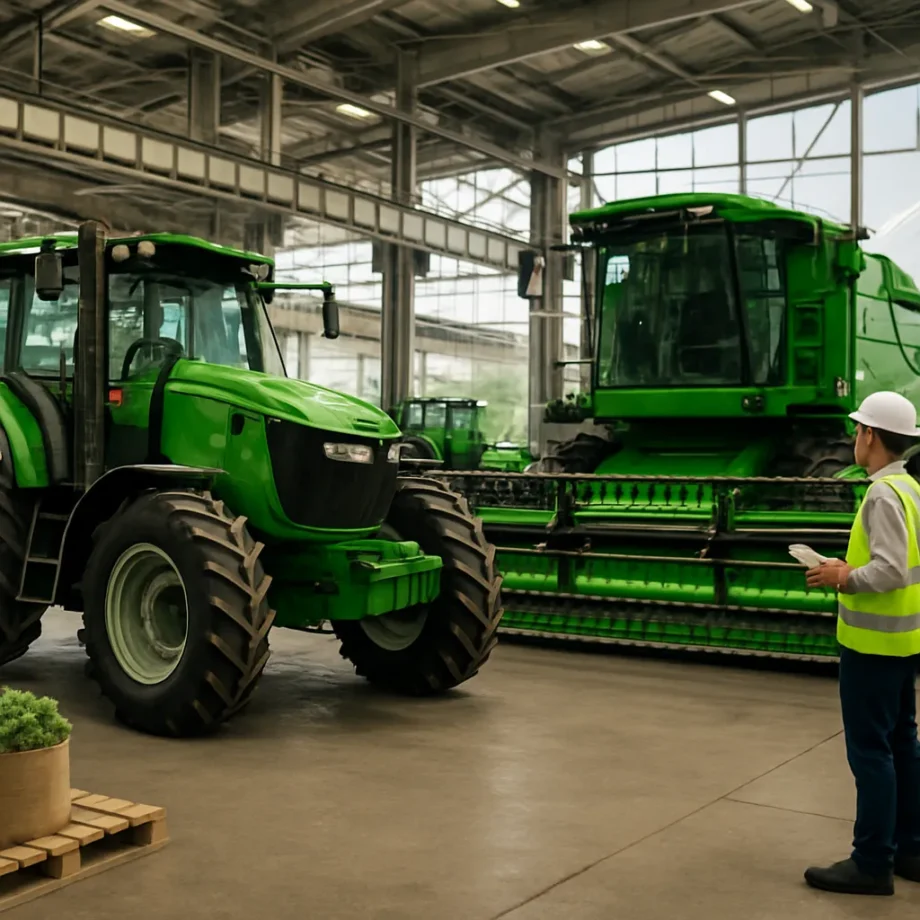
Across the globe, the agricultural sector is undergoing a radical transformation as **sustainability** and **efficiency** guide the design of next-generation machinery. Farmers and manufacturers alike are seeking pathways to reduce environmental impact while enhancing productivity. This article delves into the core trends shaping the future of eco-friendly manufacturing for farm equipment, exploring the use of novel materials, breakthrough powertrain technologies, and cutting-edge digital tools that promise to redefine modern agriculture.
Sustainable Materials in Modern Farm Machinery
The selection of raw materials lies at the heart of **green** manufacturing. Traditional steel and cast components are being supplemented or replaced by composite blends, **bioplastics**, and recycled alloys to lower a machine’s **carbon footprint**. Companies now prioritize:
- Recycled Metals: Utilizing scrap steel and aluminum reclaimed from decommissioned equipment.
- Natural Fibers: Reinforcing polymer matrices with flax, hemp, or jute fibers for lightweight yet **durable** surfaces.
- Biodegradable Polymers: Implementing bio-based resins derived from corn or sugarcane, which break down more readily at end-of-life.
Adopting these materials not only reduces reliance on virgin resources, but also aligns with a circular economy model where components can be recovered, refurbished, and reused. For instance, a combine harvester’s body panels can be manufactured from a high-strength biocomposite that requires 40% less energy to produce than conventional plastics, while still meeting stringent performance criteria. The long-term benefits include lower waste streams and improved **resilience** in supply chains dependent on fossil-based raw materials.
Innovations in Energy-Efficient Equipment
As fuel prices and emissions regulations rise, equipment manufacturers are racing to develop more **efficient** and cleaner powertrain solutions. The main areas of innovation include:
- Electrification: From compact tractors to large sprayers, electric drivetrains offer zero tailpipe emissions and reduced noise levels. Modular battery packs enable quick swaps in the field, minimizing downtime.
- Hybrid Systems: By combining diesel engines with electric motors, hybrids can optimize fuel use, deliver peak torque on demand, and recover energy during braking or deceleration.
- Hydrogen Fuel Cells: Although still in early stages, fuel cell technology promises long operational ranges and rapid refueling, crucial for heavy-duty applications.
One illustrative example is the development of an all-electric compact utility tractor capable of delivering 80 horsepower equivalent with a battery pack designed for eight hours of intermittent field work. The onboard energy management system intelligently balances power between hydraulic implements and traction needs, ensuring stable performance under varying loads.
Beyond propulsion, manufacturers focus on optimizing hydraulic systems, driveline efficiency, and aerodynamics. Smart hydraulics reduce parasitic losses by engaging pumps only when needed, while advanced lubrication techniques and low-viscosity oils further contribute to **resource** conservation.
Digital Technologies and Precision Agriculture
Precision agriculture harnesses data-driven insights to apply inputs—such as water, seeds, and fertilizer—with pinpoint **accuracy**, minimizing waste and environmental harm. Cutting-edge machinery integrates:
- GPS Guidance: Automated steering systems ensure straight passes, reducing overlap and input costs.
- Variable Rate Technology (VRT): Implements adjust the distribution of seeds or chemicals on the go based on soil surveys and crop health models.
- IoT Sensors: Soil moisture probes, canopy health cameras, and nitrogen detection sensors feed real-time data to on-board controllers.
These digital enhancements enable a seamless connection between machines, farm management software, and mobile devices. Operators receive live alerts on maintenance needs, fuel levels, and field conditions, which fosters proactive decision-making and prevents breakdowns in remote areas. Furthermore, cloud-based analytics can model yield outcomes, forecast input requirements, and recommend eco-friendly practices tailored to each farm’s unique characteristics.
Integration of **automation** and robotics is another pivotal trend. Autonomous planters and robotic weeders employ machine vision to distinguish crops from weeds, using minimal chemical herbicides. This targeted approach protects biodiversity and curbs the run-off of agrochemicals into water bodies.
Smart Factory Processes and Circular Economy
Eco-friendly manufacturing extends beyond product design to the methods used in factory operations. Leading OEMs are adopting:
- Renewable Energy: Solar panels, wind turbines, and biomass boilers power assembly lines and heat treatment facilities.
- Lean Manufacturing: Minimizing waste through just-in-time inventory, modular production cells, and digital shop-floor monitoring.
- 3D Printing: Rapid prototyping and low-volume production of complex parts reduce material usage and shorten development cycles.
By capturing scrap metal and plastic chips for direct reintroduction into manufacturing processes, factories can achieve high recycling rates. Water used for cooling and painting is often treated on-site and reused, shrinking the overall consumption footprint. These measures align with global initiatives to achieve net-zero targets and comply with increasingly stringent **regulatory** frameworks.
Challenges and Future Outlook
Despite remarkable progress, several obstacles must be addressed to accelerate adoption of eco-friendly farm machinery:
- Cost Barriers: Advanced materials and electric drivetrains generally carry higher upfront costs. Subsidies, tax incentives, and farm cooperatives can help mitigate this economic hurdle.
- Infrastructure Gaps: Widespread charging or hydrogen refueling networks remain underdeveloped in rural regions.
- Technical Complexity: Operators require training to manage sophisticated digital systems and interpret real-time data effectively.
Looking ahead, collaboration between equipment manufacturers, research institutions, and farmers will be crucial. Pilot projects testing next-generation prototypes in real-world conditions help refine designs and uncover practical insights. Meanwhile, advancements in materials science—such as self-healing coatings and smart sensors embedded directly into structural components—promise to further boost **longevity** and performance.
Ultimately, the convergence of **innovation**, environmental stewardship, and data-driven farming heralds a new era in which agricultural machinery not only meets global food demand but also safeguards the planet’s ecosystems for future generations.