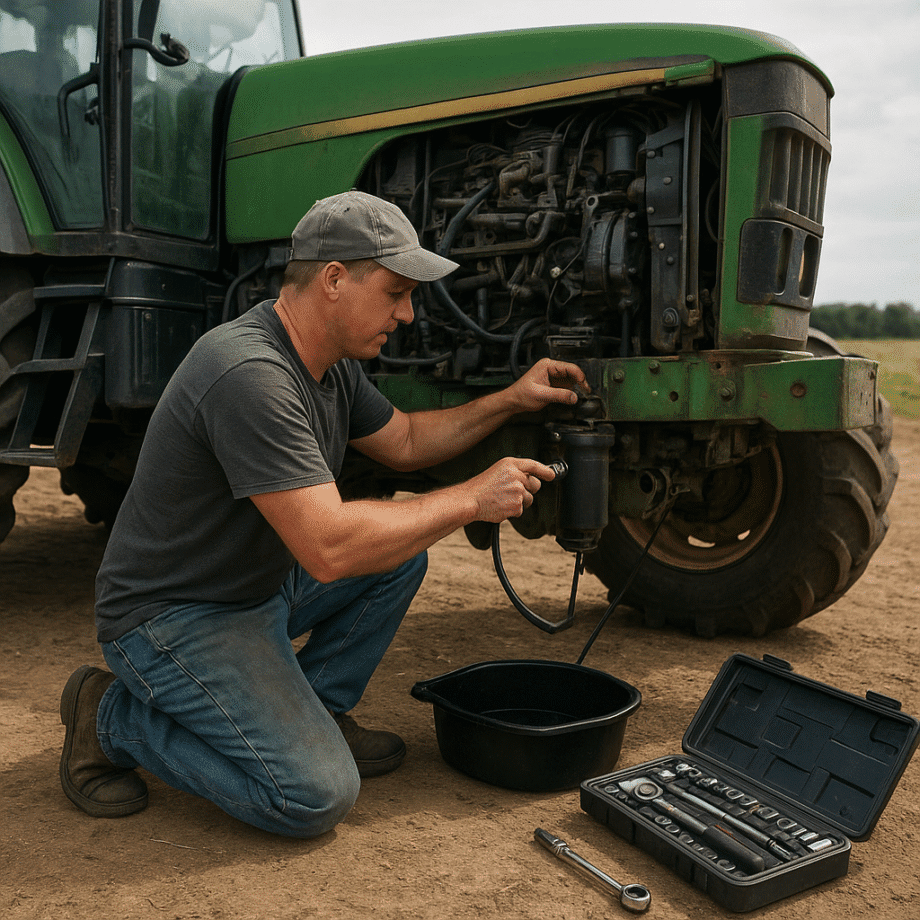
Agricultural operations rely on a variety of heavy equipment and tools to prepare soil, plant seeds, harvest crops, and transport produce. Ensuring the longevity and peak performance of this machinery demands a proactive approach. Implementing preventive maintenance on tractors, combines, loaders, and planters not only reduces unexpected breakdowns but also maximizes efficiency, minimizes downtime, and safeguards operator wellbeing. The following sections outline key strategies and best practices for maintaining robust, dependable equipment in the field.
Understanding Agricultural Machinery and the Role of Preventive Maintenance
From compact utility tractors to large-scale forage harvesters, each machine encompasses complex systems—hydraulics, engines, transmissions, and electronics. Recognizing how these components interact is fundamental to effective upkeep. A solid preventive maintenance program builds on three pillars:
- Inspection: Identifying wear and potential issues before they escalate.
- Lubrication: Ensuring moving parts operate smoothly to prevent friction damage.
- Component replacement: Swapping out filters, belts, and hoses according to manufacturer schedules.
Adopting such a program fosters reliability and extends equipment life. Maintenance intervals vary by machine type, operating conditions, and usage intensity. Consulting OEM manuals provides baseline schedules, while real-time data from onboard sensors refines those intervals for field-specific factors like dust, moisture, and load.
Routine Inspection, Lubrication, and Component Servicing
Regular Inspection
Weekly or biweekly checks form the backbone of preventive maintenance. Follow a systematic checklist to cover critical areas:
- Engine oil level and quality—look for discoloration or metallic particles.
- Coolant system—verify antifreeze concentration and inspect hoses for cracks.
- Hydraulic lines—examine for leaks or bulges indicating internal damage.
- Tire condition and pressure—to maintain traction and reduce soil compaction.
- Electrical connections—tighten terminals, clean corrosion, and test battery health.
Effective Lubrication
Neglecting grease points accelerates wear on bearings, joints, and slide rails. Follow these pointers:
- Use manufacturer-recommended grease types—some high-temperature applications require specialized blends.
- Apply grease until you see old lubricant being pushed out, indicating the cavity is fully charged.
- Record lubrication dates to prevent over- or under-greasing.
Component Servicing
Replacing consumables on schedule avoids performance losses. Focus on:
- Filters: Air, fuel, oil, and hydraulic filters trap particulates that degrade engine and fluid system health.
- Belts and hoses: Inspect for cracks, fraying, and proper tension. Replace any showing signs of fatigue.
- Seals and gaskets: Leaks reduce fluid levels and risk contamination.
Seasonal and Environmental Maintenance Strategies
Adapting maintenance to seasonal demands and local conditions further reduces risk. Consider these seasonal checkpoints:
- Pre-planting: Calibrate seeding and fertilizer equipment. Check row units for proper alignment and depth control.
- Mid-season: Monitor harvest equipment for wear on headers and threshing components. Clean residue buildup to prevent blockages.
- Post-season: Drain fuel tanks or add stabilizer. Flush cooling systems and store machines in sheltered areas to prevent rust.
Environmental factors like high humidity, sand, or extreme cold require customized measures:
- High humidity: Regularly inspect electrical connectors and apply dielectric grease to prevent corrosion.
- Dusty environments: Increase frequency of air filter changes and use pre-cleaners on intakes.
- Cold climates: Switch to low-temperature oils and test block heaters to facilitate cold starts.
Routine seasonal maintenance ensures that equipment transitions smoothly between busy periods and idle storage, preserving its reliability throughout the year.
Advanced Troubleshooting, Safety, and Operator Training
Advanced Troubleshooting
When unexpected issues arise, a structured diagnostic approach streamlines repairs:
- Gather symptom data: Note when the problem occurs, under what load conditions, and environmental influences.
- Use onboard diagnostics: Error codes from electronic control units often pinpoint sensor or actuator failures.
- Perform root cause analysis: Rather than fixing symptoms, identify underlying faults such as clogged passages or worn bearings.
Safety Protocols
Every maintenance procedure must prioritize operator and technician safety:
- Lockout/tagout engines before servicing to prevent accidental startups.
- Wear appropriate personal protective equipment: gloves, safety glasses, and steel-toe boots.
- Follow chemical handling guidelines for oils, coolants, and solvents.
Operator Training and Documentation
Empowering operators with knowledge enhances day-to-day upkeep. Training programs should cover:
- Basic inspection routines and fluid checks.
- Proper lubrication techniques and grease gun handling.
- Identifying early warning signs: unusual noises, vibrations, or smoke.
Maintaining detailed service logs creates a historical record of interventions and outcomes. This documentation supports warranty claims and guides future calibration adjustments.
Leveraging Technology for Predictive Insights
Advanced farmers are integrating telematics, sensors, and data analytics to move from preventive to predictive maintenance. By tracking parameters like oil temperature, pressure fluctuations, and vibration signatures, they can forecast component failures before they occur. This data-driven approach further reduces unexpected downtime and optimizes parts inventory.
Continuous Improvement Cycle
Regularly review maintenance records and field performance data to refine schedules and procedures. Incorporate feedback from operators and technicians. Over time, this continuous improvement cycle strengthens equipment reliability and contributes to overall farm profitability.