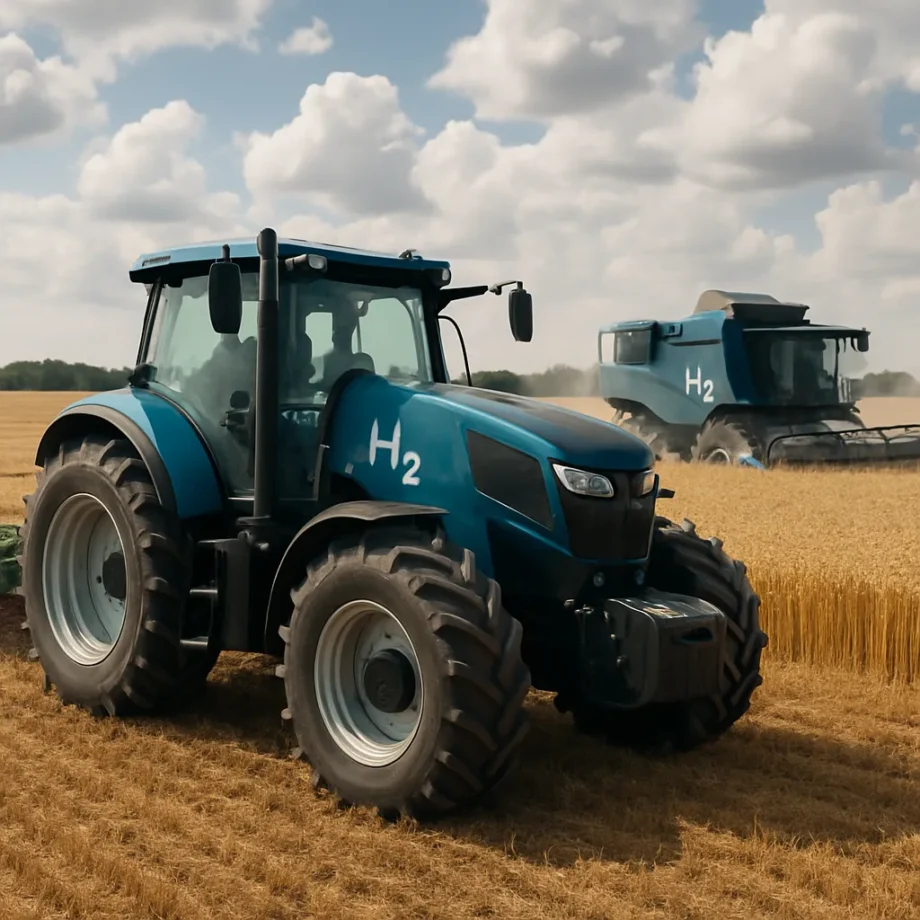
As agriculture faces mounting pressure to reduce its carbon footprint while feeding a growing global population, the integration of hydrogen into farming equipment represents a bold leap forward. This article delves into the evolving landscape of farm machinery, examining how innovation in hydrogen technology is reshaping the sector and paving the way for a more sustainability-driven future.
Technological Innovations in Hydrogen-Powered Machinery
Modern advances in energy storage and conversion have unlocked the potential of hydrogen as a viable fuel source for tractors, combines, and other heavy-duty agricultural equipment. Unlike traditional diesel engines, hydrogen-powered systems rely on fuel cells that combine hydrogen and oxygen to produce electricity, emitting only water vapor as a byproduct. Engineers are refining components to boost efficiency, power output, and reliability under rugged field conditions.
Hydrogen Revolution in Engine Design
Leading manufacturers are experimenting with dual-mode engines that can switch seamlessly between hydrogen and conventional fuels. These prototypes feature:
- Advanced leak-detection systems to ensure resilience and safety in high-pressure hydrogen tanks.
- Modular fuel cell stacks that are scalable for various horsepower requirements, from light-duty ATVs to heavy-duty harvesters.
- Integrated thermal management technologies, recycling waste heat from the fuel cell to warm cabins or power ancillary systems.
Environmental and Economic Benefits
Switching to hydrogen-powered farm machines can dramatically reduce emissions of greenhouse gases and particulate matter, fostering healthier rural communities and ecosystems. Farms adopting these technologies are positioned to capitalize on emerging carbon credit markets, potentially unlocking new revenue streams.
Lower Operating Costs and Market Incentives
- Elimination of diesel fuel expenses, offset by investments in hydrogen refueling infrastructure.
- Government grants and tax credits designed to accelerate adoption of low-emission equipment.
- Enhanced access to premium markets that value sustainably produced crops and livestock.
Economic models suggest that, at scale, hydrogen machines can reach parity with diesel in terms of total cost of ownership. Early adopters often experience higher productivity thanks to quieter operation and reduced maintenance requirements, as fuel cells have fewer moving parts than combustion engines.
Challenges and Infrastructure Development
Despite significant promise, realizing a comprehensive hydrogen ecosystem in rural areas presents several hurdles. The absence of widespread refueling stations and the high initial capital costs for on-farm hydrogen production remain central obstacles.
Building a Robust Supply Chain
Key strategies to overcome these challenges include:
- Investing in electrolysis units powered by renewable energy, allowing farms to produce hydrogen on-site and achieve energy independence.
- Partnering with local cooperatives and energy providers to develop shared refueling hubs that enhance affordability for small and medium-sized operators.
- Standardizing storage and transport protocols to reduce logistical bottlenecks and ensure consistent quality.
By integrating renewable sources such as wind or solar, on-farm production can become a model of circular economy principles, minimizing waste and strengthening local energy resilience.
Case Studies and Future Trends
Across Europe, pilot programs are demonstrating practical applications of hydrogen machinery. In France, a consortium of vineyards tested a hydrogen-powered sprayer, achieving a 95 percent reduction in carbon emissions compared to diesel counterparts. Meanwhile, in Australia, large-scale sheep stations are evaluating hydrogen tractors that operate quietly enough to limit stress on livestock.
Emerging Collaborations
- Academic institutions working with agritech startups to optimize innovation pipelines and accelerate field trials.
- Public-private partnerships funding research into high-capacity hydrogen storage materials and leak-proof sealing systems.
- Industry alliances advocating for international safety standards and certifications to streamline cross-border equipment deployment.
Looking ahead, the convergence of robotics, precision agriculture, and hydrogen fuel cells promises to usher in a new era of smart farming. Autonomous machines fueled by clean hydrogen could undertake tasks around the clock, guided by AI-driven analytics that optimize planting, irrigation, and harvesting schedules.
With continuous research and targeted investments, hydrogen-powered farm machinery is poised to transform agricultural operations, enhancing both ecological stewardship and economic resilience.