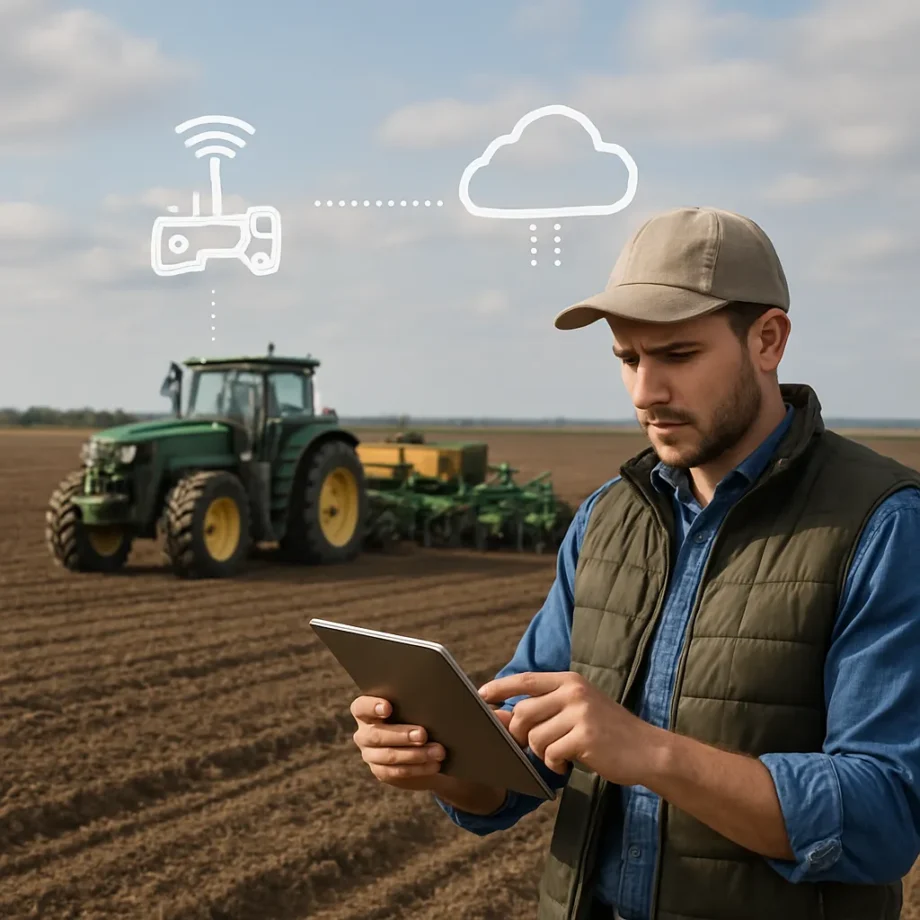
Agricultural machinery has undergone a profound transformation as digital technologies converge with traditional farming equipment. This evolution is reshaping the way farmers plant, cultivate, and harvest crops. By leveraging advanced sensors, communication protocols, and automation systems, modern tractors, combines, and sprayers are becoming integral components of an interconnected ecosystem. The result is a leap in efficiency, precision, and environmental stewardship that aligns with the demands of a growing global population.
Technological Evolution in Agricultural Machinery
The journey from steam-powered plows to GPS-guided tractors illustrates a relentless pursuit of innovation. Early mechanization replaced manual labor, but recent decades have seen the integration of electronic controls and software-driven features. Key milestones include the adoption of satellite guidance systems, on-board computing units, and precision application technologies. Farmers now rely on machines capable of adjusting seeding rates, fertilizer distribution, and spraying patterns in real time.
Advancements in precision agriculture have enabled growers to tailor inputs to specific field zones. Soil moisture sensors, variable-rate spreaders, and automated steering systems collaborate to optimize yields while minimizing waste. Tractors equipped with real-time kinematic (RTK) GPS can achieve centimeter-level accuracy, reducing overlap and improving field coverage. Such machines illustrate how mechanical prowess and digital intelligence converge to redefine farm operations.
Machine-to-Machine Communication in Modern Farming
At the heart of this transformation lies M2M communication—enabling direct data exchange between equipment components without human intervention. This approach relies on robust wireless networks, embedded sensors, and standardized protocols. The incorporation of IoT modules into agricultural machinery facilitates constant monitoring and remote control, linking tractors, harvesters, and irrigation systems in a unified network.
- Sensor arrays measure soil health, moisture levels, and nutrient content.
- Embedded modules transmit performance metrics, engine status, and diagnostic alerts.
- On-board controllers execute automated commands, such as adjusting spray rates or altering tillage depth.
Such connectivity empowers farmers to make data-driven decisions, reduce downtime, and respond swiftly to changing field conditions. For example, a tractor detecting a hydraulic pressure drop can send an alert to a centralized dashboard, triggering a maintenance request before a critical failure. This proactive approach minimizes disruptions and maximizes machine availability during peak seasons.
Field Workflow Optimization through Connectivity
Efficient field operations depend on seamless coordination among tasks such as planting, fertilizing, and harvesting. By leveraging telemetry streams from multiple machines, farm managers can orchestrate complex workflows. Data flows into cloud-based platforms where advanced data analytics tools process information on fuel consumption, ground speed, and coverage metrics.
These insights enable:
- Dynamic scheduling of equipment based on real-time field conditions.
- Automated routing to minimize travel time and fuel usage.
- Predictive analysis to anticipate equipment needs and allocate resources.
The integration of autonomous vehicles and drones further amplifies efficiency. Drones perform aerial surveys to identify weed hotspots or irrigation issues, feeding geospatial maps to autonomous sprayers that apply herbicides only where needed. This synergy between aerial imagery and ground vehicles exemplifies how connected machinery enhances overall farm productivity.
Sustainability and Future Directions
Modern agriculture faces the dual challenge of increasing output while preserving environmental integrity. Connected machinery supports sustainable practices by optimizing input usage and reducing carbon footprints. Systems that monitor nitrogen levels in real time can adjust fertilizer application, preventing nutrient runoff and safeguarding water quality.
Looking ahead, emerging trends include:
- Integration of renewable energy sources, such as solar-assisted sensors and electric tractors.
- Edge computing architectures that process data directly on machinery, reducing latency and network dependency.
- Enhanced machine learning algorithms for autonomous decision-making and adaptive control.
These developments aim to strengthen resource management and bolster farm resilience. Predictive models will anticipate weather patterns, pest outbreaks, and market fluctuations, enabling farmers to optimize planting schedules and harvest timing. As robotic platforms become more versatile, they will perform tasks ranging from selective harvesting to automated pruning, further reducing labor demands.
By championing sustainability, the agricultural sector can meet future food production goals while conserving ecosystems. The convergence of mechanical innovation, digital connectivity, and intelligent automation holds the key to unlocking new levels of efficiency. As these technologies mature, the modern farm will evolve into a high-tech operation where every component communicates and collaborates to deliver optimal results.
Enhancing Maintenance and Operational Longevity
Farm machinery represents a significant capital investment, and maintaining operational integrity is crucial for profitability. Implementing predictive maintenance strategies allows for early detection of wear patterns and potential failures. Vibration sensors on bearings, oil-quality monitors, and thermal cameras can continuously evaluate machine health.
When equipment data indicates abnormal conditions—such as elevated temperatures or unusual vibrations—automated alerts notify technicians. This approach reduces unscheduled downtime and extends the lifecycle of critical components. In addition, service providers can access diagnostic logs remotely, triaging issues before dispatching replacement parts and technicians to the field.
Advances in augmented reality (AR) also support maintenance workflows. Field technicians wearing AR headsets receive step-by-step guidance overlaid on physical machinery, streamlining repair procedures and reducing errors. This blend of real-time data and visual assistance exemplifies how digital tools enhance traditional mechanical servicing.
Empowering Small and Large-Scale Operations
Connectivity and automation are not exclusive to large agribusinesses. Affordable sensor kits, modular telematics units, and open-source software platforms democratize access to advanced capabilities. Smallholders can adopt entry-level solutions for basic telemetry, while larger operations deploy fully integrated fleet management systems.
- Community-based networks enable data sharing among neighboring farms, fostering collaborative decision-making.
- Subscription services provide predictive insights without requiring in-house IT infrastructure.
- Mobile applications offer intuitive interfaces for monitoring equipment performance on smartphones and tablets.
By scaling connectivity solutions to match diverse operational needs, the agricultural sector can ensure that machines—even in remote locations—contribute effectively to productivity goals. This widespread adoption promotes resilience across the food supply chain and supports equitable growth in rural economies.