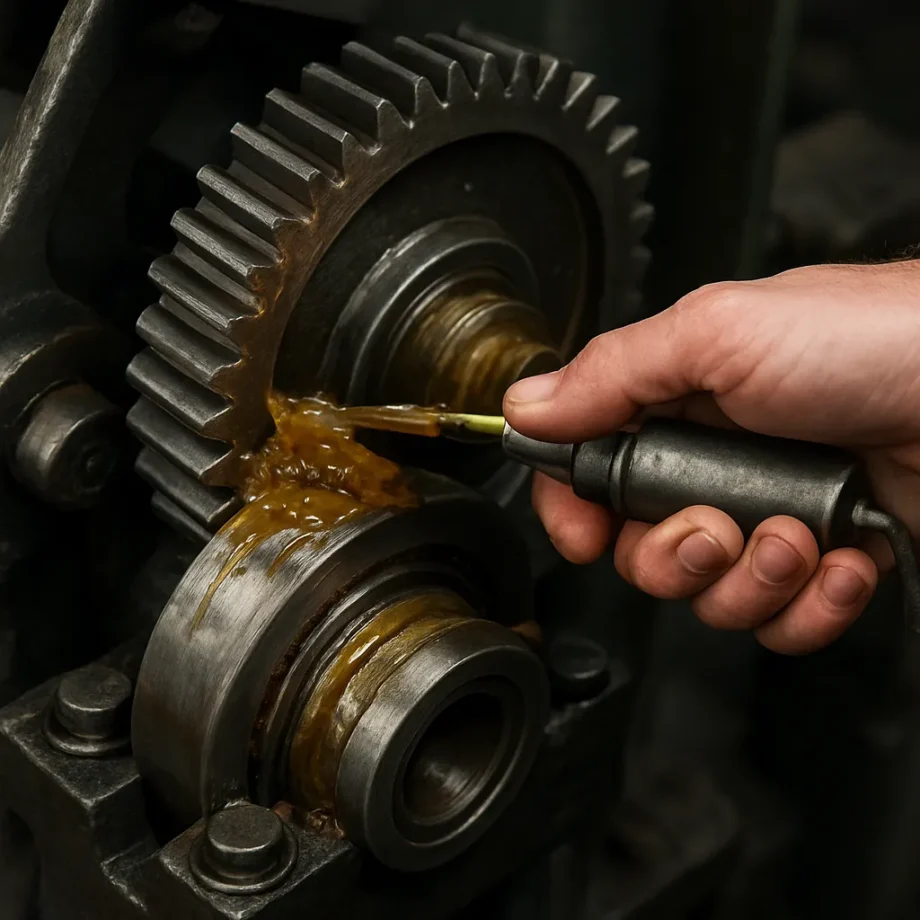
Agricultural machinery underpins modern farming operations, ensuring a seamless fusion of technology and tradition. From robust tractors navigating vast fields to precision planters placing seeds with pinpoint accuracy, these machines drive both scale and quality. Among the myriad factors influencing their success, lubrication stands out as a cornerstone of reliable operation. Proper greasing not only extends component life but also enhances overall performance and boosts farm productivity. This article delves into essential aspects of maintaining and optimizing agricultural equipment through strategic greasing practices.
Maintenance and Longevity of Agricultural Machinery
A comprehensive maintenance strategy is vital for any farmer seeking to protect valuable assets. Regular inspections and service routines minimize unplanned downtime and repair costs. While many tasks like filter changes or hydraulic fluid top-offs are well understood, the true hero often goes unnoticed: the humble grease fitting. By systematically addressing all grease points, equipment operators can safeguard against rapid wear and unforeseen breakdowns.
Field conditions vary seasonally—dusty in summer, muddy in spring, and icy in winter—each posing unique challenges. Fine particulate matter accelerates abrasion on components, while moisture fosters corrosion within gearboxes and bearings. A robust greasing regimen creates a protective barrier, sealing out contaminants and preserving vital clearances. Furthermore, high-torque applications, such as plowing or tilling, amplify mechanical stress on joints and pins. Consistent greasing ensures smooth articulation of linkage points, stabilizing loads and improving fuel economy.
Advancements in monitoring technology have ushered in a new era of predictive maintenance. Sensors can now track operating temperatures and vibration levels, alerting operators when lubrication levels fall below optimal thresholds. Integrating these insights allows for targeted service visits, reducing waste associated with time-based greasing schedules while maximizing component longevity.
Importance of Greasing in Farm Equipment
Effective greasing is more than a routine chore; it is a critical factor in sustaining machine reliability. Without the right grease applied in the proper quantity and at the correct intervals, moving parts suffer increased friction. This friction not only raises working temperatures but also risks seizing vital components like PTO shafts and wheel bearings. The consequences include costly repairs and, in worst-case scenarios, complete machine immobilization during crucial planting or harvest windows.
Different agricultural machines demand specific grease formulations. High-load gearboxes require extreme-pressure additives to withstand substantial torque, while pivot points on cultivators rely on multi-purpose greases that resist water washout. Operators should consult manufacturers’ guidelines to select products with the appropriate viscosity and additive package. Environmental conditions also influence choice: low-temperature greases prevent hardening during winter starts, whereas high-temperature options maintain integrity in hot-engine compartments.
Beyond mechanical advantages, proper greasing contributes to sustainability goals. Reduced component friction translates into lower fuel consumption, decreasing the farm’s carbon footprint. In addition, longer service intervals minimize the environmental impact associated with manufacturing new parts and disposing of used components. By adopting a systematic greasing program, farmers can align operational efficiency with ecological responsibility.
Techniques and Best Practices for Effective Lubrication
Implementing a structured greasing protocol involves several best practices. First, maintain a detailed log of grease point locations and service intervals. This log fosters accountability and ensures no fitting is overlooked during busy seasons. Second, always clean grease ports before application to prevent introducing debris into critical areas. A quick wipe with a dry cloth or the use of protective caps can significantly reduce contamination risks.
Automated greasing systems have gained traction in large-scale operations. These devices dispense precise amounts of grease at programmed intervals, allowing machines to self-lubricate while in operation. Benefits include consistent distribution, reduced labor requirements, and minimized downtime. However, these systems must be monitored to confirm adequate supply levels and to detect potential line blockages.
Manual greasing remains widespread, especially on smaller farms. When using hand pumps or grease guns, it is essential to avoid over-greasing. Excessive grease can cause seals to rupture or force contaminants into bearings. Apply pressure steadily until fresh grease emerges from seals or relief ports, then stop to prevent buildup. In multi-point joints, cycle the component through its full range of motion to evenly distribute grease throughout the surface area.
Monitoring and Troubleshooting Greasing Issues
Despite best efforts, occasional lubrication problems may arise. Early detection is key to preventing extensive damage. Operators should listen for unusual noises—grinding or squealing often signals inadequate greasing in bearings or gears. Vibration analysis tools can pinpoint hotspots where friction is elevated, directing maintenance teams to trouble areas before catastrophic failure.
Visual inspections also play a crucial role. Grease that appears discolored or contains metal particles indicates internal abrasion, necessitating immediate attention. If water ingress is suspected after heavy rainfall or pasture crossings, thoroughly flush and refill affected components with fresh grease. In harsh environments, consider greases formulated with enhanced corrosion inhibitors for added protection.
Documenting all maintenance activities and anomalies supports continuous improvement. Trend analysis of lubrication-related failures can guide adjustments to service schedules or the selection of alternative grease products. Collaboration with equipment manufacturers and lubricant specialists can further refine greasing strategies, ensuring that farm machinery remains both robust and responsive to evolving agricultural demands.