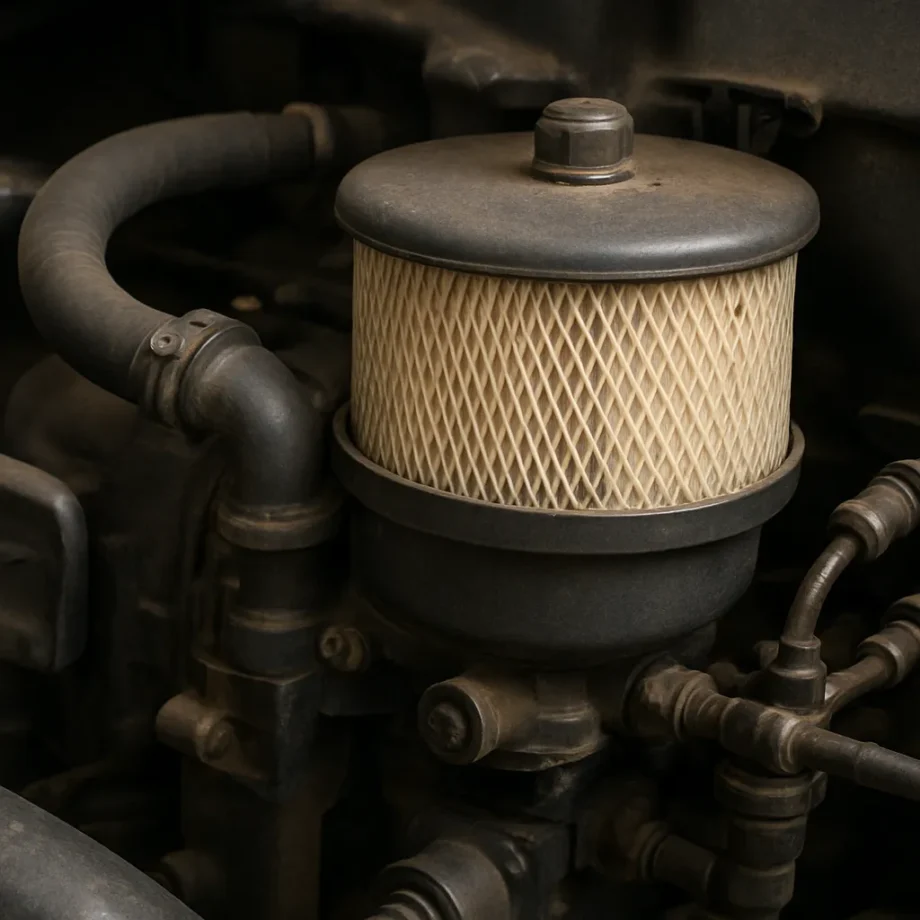
Air filtration plays a pivotal role in preserving the health and operational integrity of agricultural machinery. Well-designed air filters shield engines and hydraulic systems from damaging particles, ensuring consistent performance and extending overall equipment longevity. In demanding field conditions, reliable filtration becomes a cornerstone for achieving high productivity while minimizing unexpected downtime and repair costs.
Understanding Air Filtration Systems in Farm Equipment
Modern tractors, combines and sprayers rely on multi-stage air filtration to maintain optimal engine function. Filters are strategically placed at air intake points, protecting components from abrasive dust, pollen and other contaminants encountered in the field. By examining how these systems work, farmers and technicians can make informed decisions on servicing and part selection.
Basic Filtration Principles
- Mechanical Capture: Fibrous media trap larger particles before they enter critical zones.
- Electrostatic Attraction: Charged fibers draw in finer dust grains for enhanced cleaning.
- Pleated Filter Media: Provides increased surface area to balance airflow and particle retention.
Common Types of Contaminants
- Dust and soil: Abrasive particles generated during tillage and planting.
- Pollen and spores: Airborne allergens that can clog fine filter media.
- Agricultural chemicals: Residues from pesticides or fertilizers that degrade filter elements.
- Debris and straw: Organic matter that enters intake systems during harvesting.
Impact of Air Filters on Machinery Longevity
Air filters serve as the first line of defense against wear and tear. Without effective filtration, engines operate under stress from abrasive intruders that accelerate component degradation. Properly maintained filters deliver several key benefits:
- Durability: Reducing abrasive contact with pistons and cylinders cuts down on scoring and seal wear.
- Reliability: Clean air supplies lower the risk of unexpected breakdowns during peak seasons.
- Enhanced fuel combustion: Filters maintain optimal air-fuel ratios, improving efficiency and reducing emissions.
- Preserved turbocharger health: Prevents fine dust from damaging sensitive turbine blades.
In heavy-duty farm applications, even a marginal improvement in filtration can translate to thousands of extra operating hours. Over time, that equates to significant savings on overhaul costs and replacement parts.
Maintenance Strategies for Optimal Air Filter Performance
Implementing a proactive maintenance schedule is crucial for preserving filtration effectiveness. The following practices help ensure filters perform as designed, even under the harshest conditions:
- Regular Inspections: Check filter elements and housings every 50–100 engine hours, or more frequently in dusty environments.
- Cleaning Procedures: Use low-pressure air blasts from the clean side to dislodge trapped debris, avoiding damage to delicate media.
- Replacement Intervals: Follow manufacturer recommendations, typically every 250–500 hours, adjusting based on actual field conditions.
- Visual Indicators: Monitor air intake pressure gauges or restriction indicators to signal when a filter needs attention.
- Proper Storage: Keep spare filters in sealed packaging to prevent pre-installation contamination.
Neglecting any of these steps can lead to increased engine strain, higher fuel consumption and reduced protection against environmental hazards. A disciplined approach to filter care safeguards both performance and budget.
Selecting the Right Air Filters for Agricultural Machinery
Choosing appropriate filter elements is not a one-size-fits-all decision. Factors such as crop type, soil conditions and regional climate play a role. Consider the following selection criteria:
- Filter Media Composition: Cellulose blends offer cost-effective solutions, while synthetic and nanofiber media deliver higher particle retention and extended service life.
- Micron Rating: Indicates the smallest particle size captured; lower ratings provide finer filtration but may require more frequent cleaning.
- Size and Fitment: Ensure gasket design and dimensions match OEM specifications to prevent air bypass.
- Cost-effectiveness: Balance initial investment against longevity and performance metrics to determine total cost of ownership.
- Brand Reputation: Reputable manufacturers often supply filters with verified testing and warranty coverage.
Undersized or improperly rated filters can choke airflow, leading to reduced engine power and increased backpressure. Oversized filters that don’t seal correctly risk letting untreated air bypass critical components.
Environmental and Economic Considerations
Efficient air filtration contributes to broader sustainability goals on the farm. By minimizing fuel consumption through optimal combustion, machinery emits fewer greenhouse gases and particulates. In addition, extended filter life reduces waste and lowers the environmental footprint associated with disposable elements.
- Fuel Savings: Cleaner engines operate more efficiently, translating into lower hourly fuel costs.
- Waste Reduction: Longer service intervals cut down on spent filter disposal.
- Emissions Compliance: Maintains engine performance within regulatory emissions thresholds.
- Operational Uptime: Consistent machinery availability enhances crop management scheduling and resource allocation.
Farm managers focused on sustainable practices will find that investing in high-quality filters aligns with both environmental stewardship and financial responsibility.
Advanced Filtration Technologies and Innovations
The filtration industry continues to evolve, offering novel solutions tailored to the agricultural sector’s unique demands:
- Multi-layer Media Cartridges: Combine coarse pre-filters with fine final stages in a single unit for all-in-one protection.
- Self-cleaning Systems: Automated mechanisms expel debris from filter surfaces, reducing manual intervention.
- Real-time Monitoring: Sensors measure differential pressure to alert operators when filters approach service thresholds.
- Eco-friendly Materials: Biodegradable filter components minimize environmental impact at end-of-life.
Adoption of these emerging technologies can further elevate machinery performance, offering a competitive edge in efficiency and cost management.
Practical Tips for Field Technicians and Operators
To make the most of your air filtration setup, consider these hands-on recommendations:
- Document Service History: Track filter changes, cleaning dates and equipment hours for data-driven maintenance planning.
- Train Personnel: Ensure operators understand how to inspect housings, replace seals and handle media without damage.
- Maintain Clean Work Areas: Prevent cross-contamination when servicing filters by working in designated, dust-free zones.
- Stock Critical Spares: Keep an inventory of high-use filter types to minimize downtime during peak usage periods.
By integrating these best practices, field crews can uphold the highest standards of machinery care, safeguarding both daily operations and the farm’s bottom line.
Emphasizing proactive filtration management not only enhances engine life but also fortifies the overall resilience of agricultural operations.