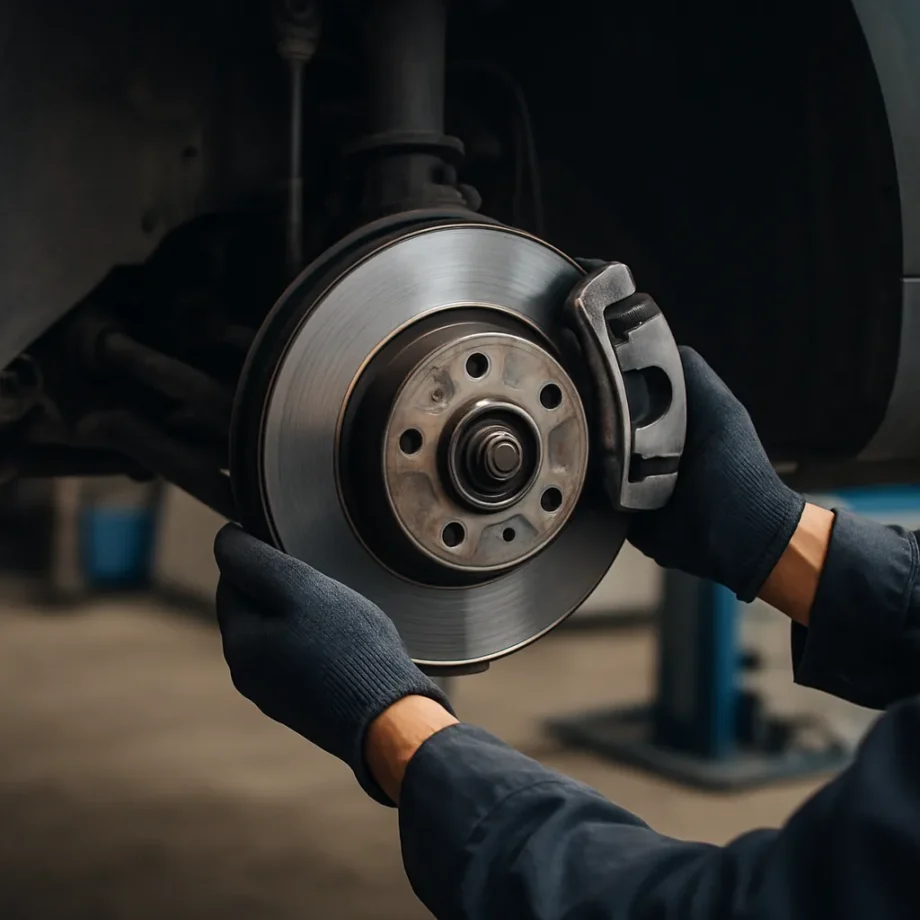
Efficient use of agricultural machinery has revolutionized farming, enabling producers to increase output while reducing labor costs. Among the many components that keep heavy equipment operating smoothly, the brake system plays a critical role in ensuring safety, reliability, and optimal performance. Regular inspection and upkeep of braking components not only prolong the life of tractors, combines, and implements but also protect operators and assets. This article examines key aspects of modern farm machinery, the vital nature of brake checks, and recommended practices to enhance maintenance and efficiency across the field.
Understanding Agricultural Machinery’s Core Functions
Farm equipment ranges from compact utility tractors to high-horsepower harvesters, each designed for specific tasks such as plowing, planting, cultivation, and harvesting. The complexity of these machines has grown significantly, incorporating advanced hydraulics, electronics, and telematics. Nevertheless, the fundamentals remain the same: reliable power transmission, precise control systems, and robust structural design.
Key Categories of Farm Equipment
- Tractors: The workhorse for towing and powering implements.
- Combines and Harvesters: Machines that reap crops, separate grain, and expel chaff.
- Planting and Seeding Equipment: Precision tools for uniform crop establishment.
- Tillage Machinery: Plows, harrows, and cultivators that prepare soil.
- Sprayers and Spreaders: Systems for applying fertilizers, pesticides, and amendments.
Critical Subsystems in Modern Implements
Advanced machinery integrates several subsystems to optimize resource use and output quality:
- Hydraulic Circuits: Drive heavy loads and control attachments.
- Electronic Controls: Provide auto-steer, yield monitoring, and section control.
- Power Take-Off (PTO): Transfers engine power to implements like mowers and balers.
- Brake Assemblies: Ensure safe stopping and parking stability.
Why Regular Brake System Checks Are Indispensable
Whether working on slopes or maneuvering heavy loads, reliable braking is non-negotiable. A compromised brake can lead to equipment damage, field accidents, or costly downtime. Performing routine checks can reveal wear, leaks, or contamination before they escalate into major failures.
Primary Brake System Components
- Brake Discs and Drums: Surfaces that resist motion when engaged.
- Brake Pads and Shoes: Friction materials that wear over time.
- Hydraulic Lines and Reservoirs: Carry brake fluid under pressure.
- Actuators and Master Cylinders: Convert pedal force into hydraulic pressure.
- Parking Brakes and Linkages: Mechanical devices for stationary holds.
Signs of Brake Wear and Malfunction
- Spongy or Unresponsive Pedal Feel
- Grinding or Squealing Noises During Braking
- Visible Fluid Leaks Under the Chassis
- Uneven Wheel Locking or Pulling to One Side
- Extended Stopping Distances on Standard Workloads
Addressing these issues promptly not only enhances operational safety but also preserves the longevity of costly components. Ignored brake faults can accelerate wear on tires, axles, and hydraulic systems.
Maintenance Best Practices for Peak Performance
A proactive maintenance schedule is the backbone of any effective farm operation. By establishing systematic inspection intervals and adopting preventive measures, farmers can avoid breakdowns during critical planting or harvest windows.
Routine Inspection Checklist
- Check Brake Fluid Level and Condition
- Examine Pads, Shoes, and Rotors for Wear Thickness
- Inspect Hydraulic Hoses for Cracks or Swelling
- Test Parking Brake Tension and Adjust Linkages
- Verify Operation of Electronic Brake Assist Systems
- Clean Components Free of Debris and Corrosion
Fluid Management and Replacement
Brake fluids absorb moisture over time, reducing boiling point and leading to vapor lock. It is recommended to replace hydraulic fluid at least once per year or as specified by the manufacturer. Use only approved fluid grades to maintain system integrity.
Component Upgrades and Retrofits
Modernizing older equipment with improved brake materials or adding electronic monitoring can enhance safety margins. Consider these options:
- High-Performance Friction Pads for Heat Dissipation
- Sealed Brake Caliper Assemblies to Prevent Contamination
- Aftermarket Sensors for Real-Time Brake Health Data
- Enhanced Parking Brake Kits for Large Implements
Enhancing Safety Culture and Operational Efficiency
Embedding brake system checks into daily routines fosters a culture of safety and accountability. Employees should be trained to recognize early warning signs and empowered to halt operations if irregularities are detected.
Training and Standard Operating Procedures
- Develop Written Guidelines for Pre- and Post-Use Checks
- Conduct Hands-On Workshops Demonstrating Brake Service
- Implement a Digital Log for Recording Inspections
- Assign Clear Responsibilities and Escalation Paths
Leveraging Technology for Smarter Maintenance
Telematics and IoT sensors offer predictive insights by tracking brake temperature, fluid pressure, and wear indicators. Integrating these data streams with farm management software can schedule service visits before failures occur, reducing unplanned downtime and repair costs.
By prioritizing regular brake system checks, producers can safeguard their investments, improve overall efficiency, and maintain a high standard of operational reliability. A disciplined approach to maintenance not only enhances day-to-day performance but also contributes to the long-term sustainability of modern farming enterprises.