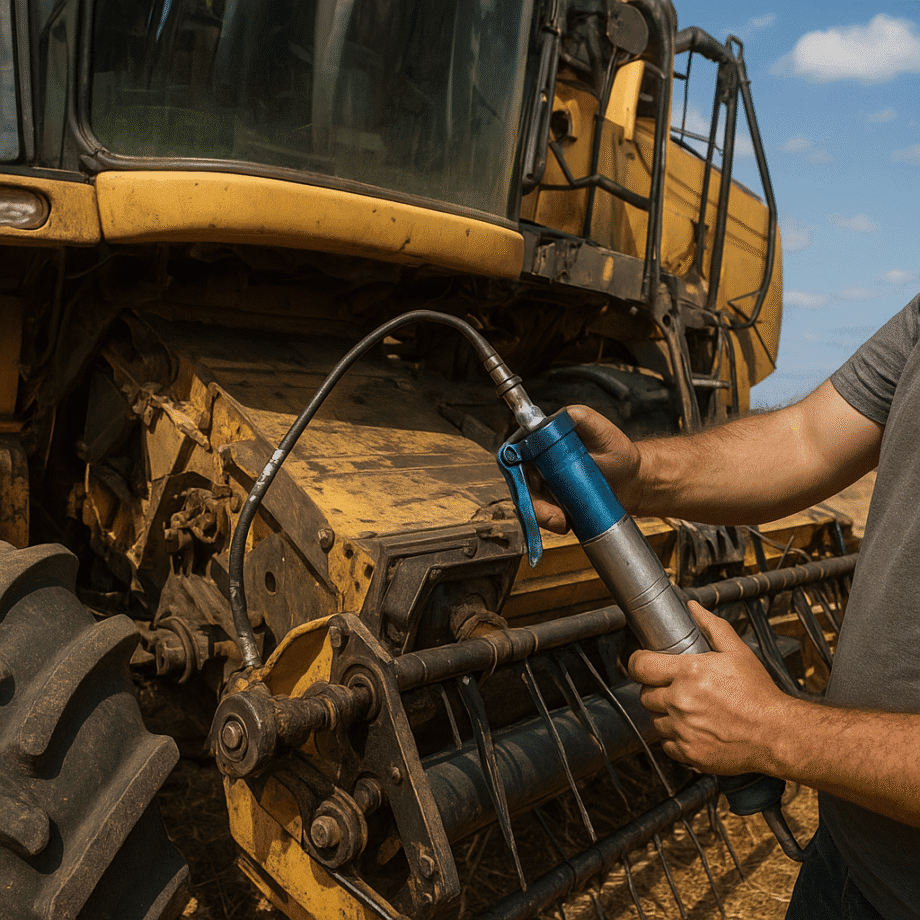
Agricultural machinery stands at the heart of modern farming, transforming fields into productive landscapes and ensuring global food security. From the powerful tractor plowing endless acres to the precision seed drill planting each seed at the ideal depth, these complex systems combine engineering prowess with technological innovation. Central to their performance and longevity is the often-overlooked practice of keeping moving parts well-lubricated. Without proper care, friction, wear, and costly breakdowns become inevitable. This article delves into the critical facets of heavy agricultural equipment, highlighting why effective lubrication is more than routine—it is essential.
Understanding Agricultural Machinery
Heavy agricultural machines encompass a diverse array of equipment designed for tasks such as tillage, planting, fertilization, harvesting, and more. Key categories include:
- Tractors – the workhorses that tow implements and power auxiliary systems.
- Combine Harvesters – sophisticated units that reap, thresh, and winnow in one pass.
- Balers – machinery that compacts crops like hay or straw into dense bales for storage.
- Sprayers – vehicles that distribute fertilizers or pesticides with precision nozzles.
- Seed Drills – equipment ensuring seeds are placed at uniform depth and spacing.
Each machine contains numerous bearings, gears, hydraulic cylinders, chains, and other components that operate under extreme loads, temperature variations, and contamination risks. The integrity of these moving parts directly influences overall efficiency and return on investment.
Role of Lubrication in Performance and Reliability
At the core of machine longevity lies the concept of reducing friction and wear through timely lubrication. Key benefits include:
- Friction Reduction – a thin film of lubricant separates metal surfaces, preventing direct contact that leads to heat and material loss.
- Wear Prevention – consistent lubrication minimizes abrasive wear, extending the life of bearings and gears.
- Corrosion Control – special additives in lubricants inhibit rust formation in harsh environmental conditions.
- Temperature Management – oils and greases help dissipate heat generated during operation, maintaining optimal operating temperatures.
- Sealing and Cleaning – some lubricants remove contaminants and create a barrier against external debris, protecting critical components.
Machines operating without adequate lubrication suffer accelerated deterioration, resulting in unexpected downtime and costly repairs. In large-scale agricultural operations, each hour of inactivity can translate to significant financial loss.
Choosing the Right Lubricants
Selecting the proper lubricant involves understanding the demands of each component:
Viscosity Requirements
Viscosity dictates the flow characteristics of an oil or grease. Low-viscosity fluids move easily in cold weather but may fail to maintain a protective film under high loads. Conversely, high-viscosity lubricants offer thicker protection but may increase resistance and energy consumption. Equipment manufacturers typically specify viscosity grades, measured in SAE or ISO scales.
Additive Packages
Modern lubricants contain packages of specialized additives designed for:
- Extreme Pressure (EP) – fortified molecules that maintain integrity under very high loads.
- Antioxidants – compounds preventing oil degradation due to heat and oxygen exposure.
- Anti-foam Agents – ensure stable oil films by reducing foaming in hydraulic systems.
- Demulsifiers – facilitate separation of water from lubricants, critical in wet or humid field conditions.
Grease vs. Oil
While oils flow and dissipate heat, greases cling to surfaces and maintain position in joints and pins. Common uses include:
- Oils for hydraulic pumps, gearboxes, and engine lubrication.
- Greases for bearings, universal joints, pivot points, and track rollers.
Implementing an Effective Maintenance Program
Proactive lubrication management relies on:
Scheduled Intervals
Create a calendar that aligns with operating hours, seasonal demands, and manufacturer guidelines. Key actions include:
- Checking oil levels weekly or before each major field session.
- Replacing hydraulic fluid annually or after intense usage periods.
- Re-greasing bearings and pivot points based on hour-meter readings.
Condition Monitoring
By analyzing oil samples and monitoring wear debris, operators gain insight into component health. Techniques such as infrared thermography and particle counters can detect early signs of:
- Contamination by dirt, water, or metal particles.
- Viscosity breakdown due to oxidation or shear degradation.
- Overheating events indicating misalignment or overload.
Cleanliness and Storage
Store lubricants in a cool, dry area and use sealed containers to prevent contamination. When refilling reservoirs, employ:
- Breathers to filter air entering tanks.
- Clean Funnels and Hoses dedicated solely to lubrication tasks.
Technological Innovations in Lubrication
Advancements in sensor technology and automation are revolutionizing how lubrication is applied and monitored:
Automatic Lubrication Systems
These systems dispense precise lubricant volumes to bearings and chains at programmed intervals, eliminating human error and ensuring consistent protection.
Smart Sensors and IoT Integration
Real-time data from pressure, temperature, and flow sensors feed into farm management platforms. Alerts can be generated when:
- Oil pressure falls below safe thresholds.
- Temperature spikes suggest imminent failure.
- Unexpected lubricant consumption indicates leaks or component wear.
Challenges and Solutions
Despite best practices, operators often encounter hurdles that compromise lubrication effectiveness:
Contaminant Ingress
Field dust, moisture, and crop residues can invade lubrication circuits, leading to abrasive wear. Solutions include:
- Upgrading to high-efficiency filtration with 99% particle removal.
- Regularly replacing breathers and seals to maintain system integrity.
Extreme Temperatures
High summer heat and freezing winters challenge lubricants to perform across a broad range. Operators should:
- Select multi-grade oils that retain viscosity in cold start-ups and resist thinning in heat.
- Maintain engine block heaters or warm-up routines for efficient cold weather starts.
Human Error
Missed intervals, wrong lubricant grades, or cross-contamination can undermine maintenance efforts. Mitigation strategies involve:
- Thorough training of personnel in lubrication best practices.
- Color-coded lubricant lines and clear labeling to prevent mix-ups.
- Checklists and digital logs to track service actions and responsibilities.
Economic and Environmental Impact
Proper lubrication transcends machine care, delivering benefits beyond the farm gate:
- Cost-effectiveness – reduced downtime and lower parts replacement expenses improve the bottom line.
- Sustainability – extended equipment life minimizes the need for new machinery and reduces waste.
- Energy Efficiency – well-lubricated systems consume less fuel, lowering greenhouse gas emissions.
By investing in a robust lubrication strategy, agricultural enterprises not only protect valuable assets but also advance toward more sustainable and profitable operations.