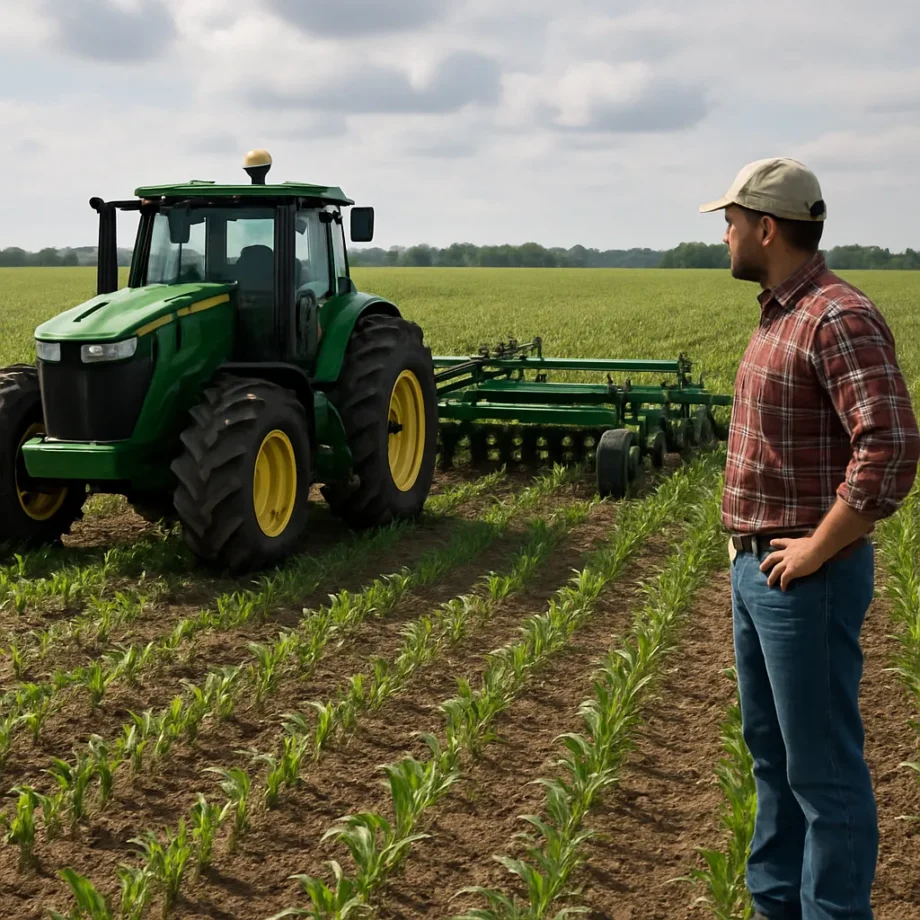
The introduction of **autonomous** machinery into agricultural operations represents a transformative shift in how farms manage labor, increase **productivity**, and address sustainability concerns. This article explores the historical evolution of farm equipment, examines the economic impact of self-driving tractors and robotic harvesters, and discusses future challenges and opportunities that lie ahead.
Evolution of Agricultural Machinery
Since the dawn of **mechanization**, farmers have sought tools to reduce manual workload and improve output. Early plows, powered by animals, gave way to steam engines in the 19th century, marking the first major leap toward industrialized farming. The 20th century introduced internal combustion engines, sprayers, and combine harvesters, each innovation aimed at boosting field efficiency and reducing reliance on human labor.
From Steam to Internal Combustion
The transition from **horse-drawn** implements to steam-powered tractors in the late 1800s enabled larger fields to be tilled more quickly. By the 1930s, gasoline and diesel tractors dominated, offering greater **power** and flexibility. This era also saw the advent of seed drills and mechanical planters, which ensured consistent seeding depth and spacing, enhancing crop uniformity.
Green Revolution and Precision Farming
In the 1960s and 1970s, the Green Revolution introduced high-yield crop varieties, pesticides, and fertilizer application equipment. Later, **precision farming** emerged, leveraging GPS guidance and variable-rate technology to apply inputs more accurately. These advances cut waste, reduced environmental impact, and paved the way for data-driven **innovation** in equipment design.
Autonomous Equipment and Labor Economics
Today’s **autonomous** tractors, robotic harvesters, and drone-based sprayers are redefining the farm labor market. By delegating repetitive or physically demanding tasks to machines, operators can focus on strategic decisions, data analysis, and maintenance, reshaping traditional labor roles.
Labor Displacement and Redeployment
- Labor Displacement: Widespread adoption of driverless tractors can reduce the need for seasonal laborers. While this cuts payroll costs, it raises social concerns about rural employment.
- Skill Redeployment: As manual tasks decline, demand grows for technicians, software specialists, and data analysts to maintain and program autonomous fleets.
- Training Programs: Agricultural colleges and extension services are expanding curricula to include robotics, sensor technology, and fleet management.
Cost-Effectiveness and Return on Investment
Initial acquisition costs for **autonomous** machinery can be high. However, lowered labor expenses, enhanced uptime, and optimized input usage often yield favorable payback periods. Studies have shown:
- A 20-30% reduction in labor costs per hectare.
- Up to 10% savings on fuel through route optimization.
- Improved yield homogeneity due to precise planting and spraying.
These financial benefits attract large-scale operations first, but cooperative models and equipment-sharing platforms are making access easier for smaller farms.
Challenges and Future Perspectives
Despite promising outcomes, several hurdles remain. Addressing these issues is critical to ensure equitable adoption and long-term **sustainability**.
Regulatory and Infrastructure Barriers
- Safety Regulations: Autonomous machinery must comply with strict safety standards to operate on public roads and in proximity to workers.
- Connectivity: Reliable high-speed internet coverage in rural areas is essential for real-time data exchange and remote monitoring.
- Interoperability: Equipment from different manufacturers needs standardized communication protocols to integrate seamlessly.
Environmental and Social Considerations
While **precision** autonomous machines can reduce chemical usage, excessive reliance on technology may lead to monoculture intensification. To balance productivity with ecological health, farmers must adopt diversified crop rotations and soil conservation practices. Additionally, rural communities could face demographic shifts if local employment declines sharply.
Emerging Innovations
Swarm Robotics: Small, coordinated robots working in parallel to perform tasks like weeding and pollination, minimizing soil compaction.
AI-Driven Decision Support: Machine learning models processing satellite imagery and sensor data to optimize planting schedules and predict disease outbreaks.
Electric and Hybrid Platforms: Zero-emission tractors powered by batteries or hydrogen fuel cells, aligning agriculture with climate goals.
By blending **robotics**, **autonomy**, and data analytics, the next generation of agricultural machinery promises to be more resilient, efficient, and environmentally friendly. Farmers, policymakers, and technology providers must collaborate to ensure these tools deliver broad-based benefits without deepening social inequalities.