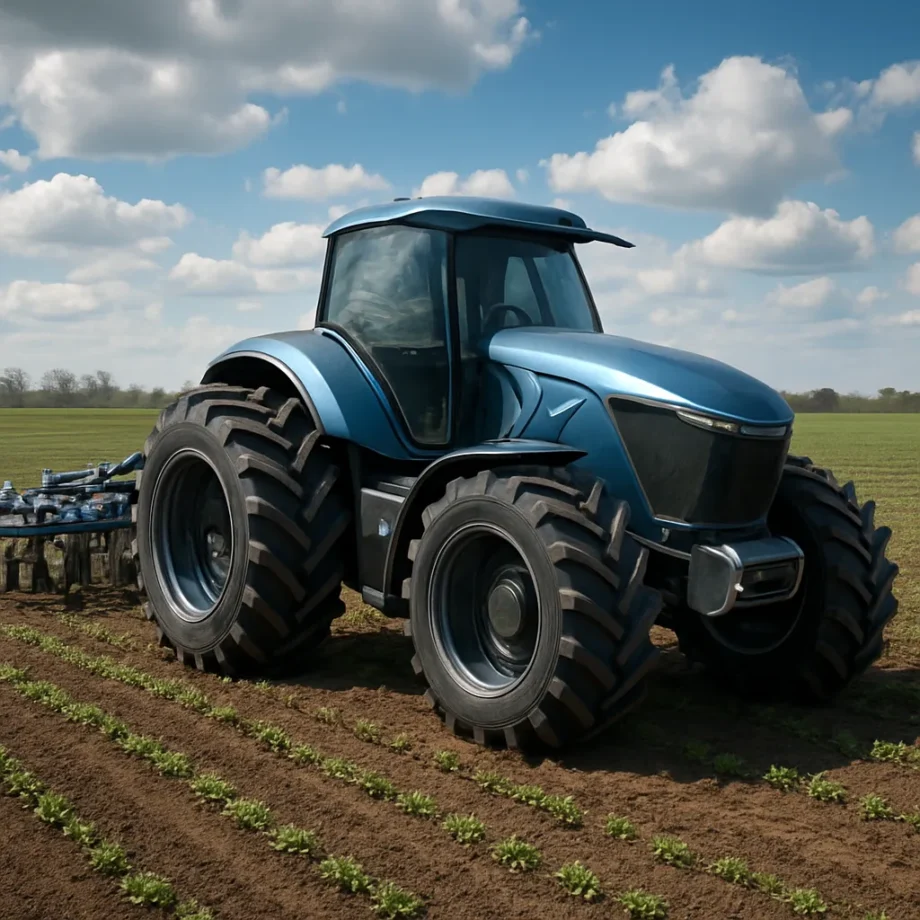
Innovation in the world of farming equipment is reaching new heights as engineers integrate materials originally developed for space travel into modern agricultural machinery. This convergence of aerospace engineering and mechanized farming promises to revolutionize how crops are planted, maintained, and harvested, delivering unprecedented levels of efficiency and sustainability to the global food supply chain.
Advanced Composites and Lightweight Structures
The quest for lighter, stronger machinery drives the adoption of composites—mixtures of fibers and resins that offer high strength-to-weight ratios. Originally perfected for rockets and satellites, these materials are now appearing in:
- Titanium-reinforced plowshares that resist wear and corrosion.
- Carbon-fiber tractor frames that significantly reduce overall machinery weight.
- Glass-fiber enclosures for combine harvesters, enhancing operator safety without sacrificing durability.
By shedding unnecessary mass, tractors and harvesters consume less fuel per acre, thereby lowering emissions and operating costs. Maintenance intervals extend as parts resist fatigue, delivering a higher return on investment.
Nanotechnology for Enhanced Performance
At the frontier of material science, nanotechnology coatings and additives are transforming surfaces and moving parts. Nanoparticles embedded in hydraulic fluids reduce friction by forming protective films on metal surfaces, while self-healing polymers can reseal minor cracks in hoses or tubing without manual repair.
Self-Cleaning Surfaces
- Lotus-inspired nanocoatings on seed drills prevent clogging by mud and plant residues.
- Hydrophobic layers on sensors and cameras keep vision systems clear in harsh field conditions.
These microscopic solutions minimize downtime, allowing farmers to operate continuously during peak planting and harvest windows.
Corrosion Resistance and Longevity
Exposure to moisture, fertilizers, and corrosive chemicals can rapidly degrade steel components in conventional machines. By integrating materials designed for the intense environments of space missions, manufacturers achieve resilience once thought impossible:
- Aluminum-lithium alloys originally used in spacecraft hulls resist pitting and surface oxidation.
- Ceramic matrix composites in bearing housings eliminate rust and extend service life.
- Protective coatings containing rare-earth elements fend off acid-induced damage from fertilizers.
These innovations drastically lower both maintenance costs and unplanned outages, ensuring that fleets of harvesters and planters remain operational throughout demanding seasons.
Smart Sensors and Embedded Electronics
Space-grade electronics excel in extreme temperatures and radiation environments. Transferring those design principles into agricultural machinery enhances data collection and machine control:
Precision Agriculture
- Radiation-hardened chips in GPS modules maintain accurate positioning even under dense canopy or heavy cloud cover.
- Ruggedized LiDAR sensors scan terrain to adjust seeding depth and fertilizer application on the fly.
- Wireless mesh networks with space-certified encryption safeguard telemetric data and farm-to-cloud communications.
The integration of robust electronics accelerates the shift toward fully autonomous tractors and sprayers, improving productivity while reducing human error.
Energy Harvesting and Storage
Spacecraft power systems have long relied on solar arrays and advanced batteries. These technologies are now adapted for field use:
- Flexible photovoltaic films laminated onto combine roofs generate supplemental power for onboard sensors and implements.
- Solid-state batteries using ceramic electrolytes provide higher energy density and safety compared to conventional lead-acid packs.
- Thin-film supercapacitors deliver rapid bursts of power to hydraulic systems, smoothing load fluctuations.
By harnessing renewable energy directly on the equipment, farmers can operate essential electronics even in remote locations without grid access, boosting reliability and reducing fossil-fuel dependence.
Case Study: The Aerotrac 3000
One pioneering example is the Aerotrac 3000 tractor, developed by AgriSpace Dynamics. Key features include:
- Monocoque chassis of aerospace-grade aluminum-lithium alloy, yielding 30% weight reduction over steel equivalents.
- Carbon-nanotube-reinforced tires with embedded sensors that monitor soil compaction in real time.
- Self-healing hydraulic lines that use microencapsulated resin to repair pinhole leaks instantly.
Field trials in sandy loam and clay soils demonstrated fuel savings of up to 20% and a 40% decrease in downtime, illustrating how innovation pays dividends on the farm.
Sustainability and Circular Economy
As environmental concerns grow, recycling and material lifecycle management become essential. Space agencies have long emphasized efficient resource utilization:
- Modular components designed for disassembly enable end-of-life recovery of precious metals and composites.
- Biodegradable polymer matrices that degrade into harmless byproducts when machinery is retired.
- 3D-printed spare parts using reclaimed feedstock reduce inventory burdens and shipping emissions.
Adopting a circular approach aligns with global goals for carbon neutrality and positions agriculture as a leader in responsible manufacturing.
Looking Ahead: Autonomous Collaborations
Emerging concepts propose cooperative fleets of autonomous machines that share tasks and resources. Space-inspired protocols for spacecraft swarms offer a blueprint:
- Decentralized decision-making algorithms coordinate planting, weeding, and harvesting across multiple units.
- Redundant communication channels ensure safety and prevent collisions in complex field layouts.
- Distributed energy sharing, where machines with surplus battery power support their neighbors during peak operations.
This vision transforms individual tractors into a unified network, boosting overall performance and adaptability to variable weather and soil conditions.
Workforce Evolution and Training
The adoption of space-era materials and systems demands new skills for technicians and operators. Educational programs now emphasize:
- Understanding composite repair techniques, including resin infusion and ultrasonic welding.
- Nanocoating application and quality control methods to ensure long-term protection.
- Advanced diagnostics for embedded electronics, from firmware updates to radiation-hardened component replacement.
Equipping the agricultural workforce with knowledge of these materials ensures that the benefits of high-tech machinery are fully realized and maintained over extended lifecycles.
Regulatory and Safety Considerations
Integrating aerospace-derived materials into farming equipment introduces new regulatory challenges. Agencies must address:
- Certification standards for the safe use of high-energy batteries and capacitors on farmland.
- Environmental impact assessments for novel polymer composites and nanomaterials.
- Guidelines for electromagnetic compatibility of advanced radio and sensor systems.
Collaborative efforts between agricultural bodies, space agencies, and materials scientists will streamline approval processes and safeguard farmers and consumers alike.
Conclusion: Transformative Potential
The infusion of space-age materials and technologies into agricultural machinery represents a paradigm shift. By leveraging breakthroughs in durability, efficiency, and smart systems, the next generation of tractors, harvesters, and drones will cultivate fields with greater precision and lower environmental impact. As research continues to push the boundaries of what is possible, farmers stand to benefit from machines that are lighter, tougher, and more intelligent than ever before.