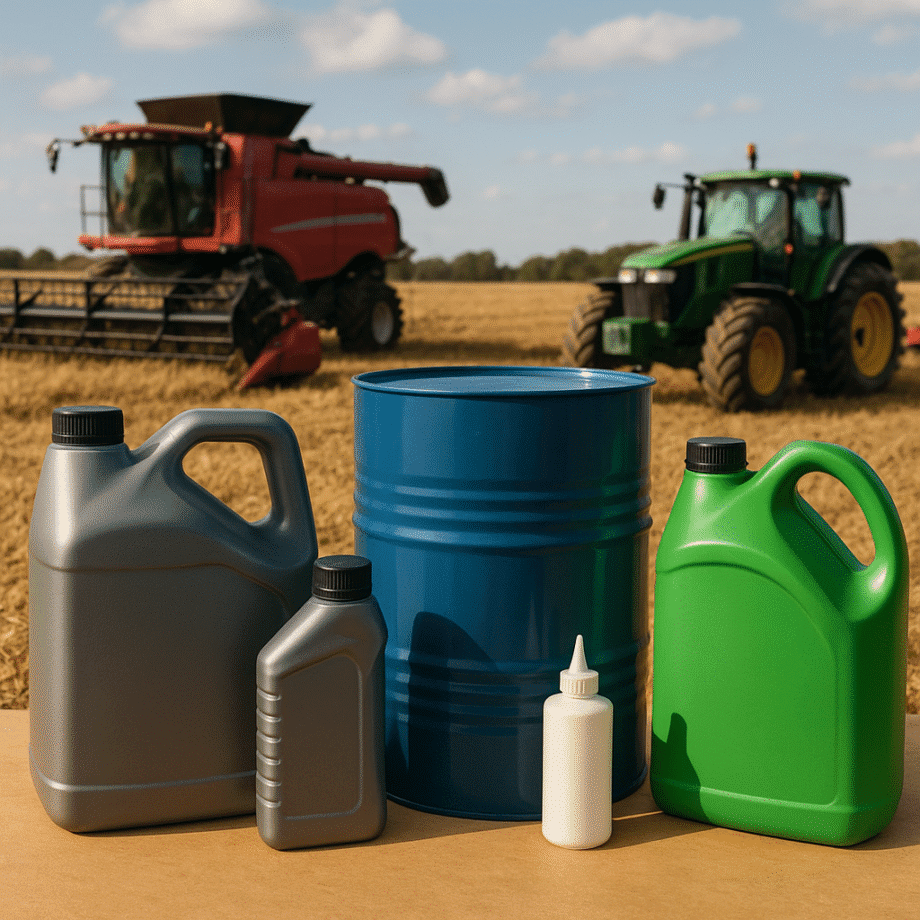
When it comes to agricultural machinery, proper lubrication is key to maximizing performance and extending the life of equipment. From tractors to combine harvesters, the right lubricant can reduce wear, prevent corrosion, and improve overall efficiency. This article explores the various types of lubricants available for agricultural use, offers maintenance guidelines, and highlights emerging trends in sustainable formulations.
Importance of Proper Lubrication in Agricultural Equipment
Agricultural machinery operates under some of the harshest conditions imaginable. Soil, dust, moisture, and fluctuating temperatures all take a toll on moving parts. Without adequate lubrication, metal-to-metal contact accelerates wear, leading to breakdowns, costly downtime, and unexpected repairs. A well-lubricated engine, gearbox, and hydraulic system ensures durability and reliability under continuous workloads.
Beyond simply preventing friction, modern lubricants offer advanced additives that deliver protection against oxidation, foam, and seal degradation. A high-quality oil or grease maintains its structure under load, preserving critical clearances and helping to dissipate heat. This thermal stability is essential when working long hours during planting or harvest seasons.
Types of Lubricants for Agricultural Machinery
Engine Oils
Engine oils for tractors and sprayers must handle high loads, variable speeds, and contamination from fuel or combustion byproducts. Multigrade oils with excellent shear stability maintain optimal viscosity across a broad temperature range. Formulations meeting API CK-4 or CJ-4 standards ensure protection against piston deposits, ring sticking, and injector wear. Synthetic blends often deliver upgraded performance, extending oil change intervals and lowering operating costs.
Hydraulic Fluids
Hydraulic systems power steering, loaders, and sprayer booms. A premium hydraulic fluid resists aeration, maintains viscosity under temperature swings, and prevents foaming that can compromise system response. Additives such as anti-wear zinc dialkyldithiophosphate (ZDDP) provide a protective boundary film on pumps and valves. Biodegradable hydraulic oils are gaining traction for field operations near water sources.
Gear Oils
Axles, transmissions, and final drives require gear oils formulated to survive extreme pressures. Extreme Pressure (EP) additives form a sacrificial layer on gear teeth, preventing pitting and scoring. Typical specifications include API GL-4 and GL-5; selecting the correct rating depends on the design of synchronizers and brass bushings. Synthetic gear oils offer cost-effectiveness over long intervals by resisting thermal breakdown and varnish formation.
Greases
Greases keep joints, bearings, and universal couplings in top condition. A good grade penetrates gaps and adheres under centrifugal forces. Lithium-complex and calcium sulfonate greases provide superior water resistance and mechanical stability. For high-temperature PTO drivelines, specialty greases containing molybdenum disulfide (MoS₂) reduce friction under boundary-lubrication conditions. Selecting the NLGI grade ensures proper pumpability and retention.
Maintenance Practices and Best Procedures
Routine inspections and servicing are crucial in preserving performance and avoiding failures. Implementing a lubrication schedule tailored to each machine’s duty cycle minimizes unnecessary replacements and unexpected stoppages.
- Oil Analysis: Periodically sampling hydraulic and engine oils reveals wear metals, contamination levels, and additive depletion. This data-driven approach fine-tunes change intervals.
- Filter Replacement: Clean filters ensure fluid cleanliness. Bypass filters for hydraulic systems offer continuous contamination control.
- Grease Points: Identify all zerk fittings and apply grease until you see old lubricant purged out. Use a digital grease gun to measure precise volumes.
- Torque Checks: After greasing, verify torque on critical components like wheel bearings and linkage pins to maintain correct preload.
- Record Keeping: Logging each service event, fluid type, and additive package creates a maintenance history that helps in warranty claims and predictive planning.
Environmental and Safety Considerations
With increasing focus on sustainable agriculture, eco-friendly lubricants offer solutions that minimize environmental impact without sacrificing durability. Biodegradable oils derived from vegetable esters degrade rapidly in soil and water, reducing contamination risk in the event of a spill. Many manufacturers now supply USDA-certified bio-lubricants that meet stringent biodegradability and toxicity criteria.
Worker safety is equally important. Proper handling procedures, including the use of spill trays and personal protective equipment, limit skin contact and inhalation of mist. Clear labeling and compatibility charts ensure that different fluid types are not inadvertently mixed, which could lead to seal damage or loss of system performance.
Innovations and Future Trends
The future of lubrication in agriculture is driven by smart sensors, additive breakthroughs, and alternative chemistries. Real-time oil-condition monitoring systems alert operators to viscosity changes, moisture ingress, and particulate contamination before they reach critical levels. This predictive maintenance concept shifts the industry away from rigid intervals to dynamic, data-driven schedules.
Nanotechnology additives are emerging, with microscopic particles that enhance antifriction properties and fill microscopic surface irregularities. These nano-additives can reduce energy loss and boost efficiency by forming ultra-thin, durable films under extreme pressure. Research into solid-lubricant coatings—such as diamond-like carbon (DLC) overlays—promises longer service life for components in high-abrasion environments.
As precision agriculture continues to evolve, lighter machinery and electric drivetrains will demand new lubricants optimized for electrical insulation, fire resistance, and low-temperature fluidity. Formulations that combine synthetic esters with advanced polymer additives are under development to meet these emerging requirements.
Key Takeaways
- Select lubricants that align with OEM recommendations and system requirements.
- Embrace oil analysis and advanced monitoring for proactive maintenance.
- Explore biodegradable and nano-enhanced formulations for future-ready equipment.