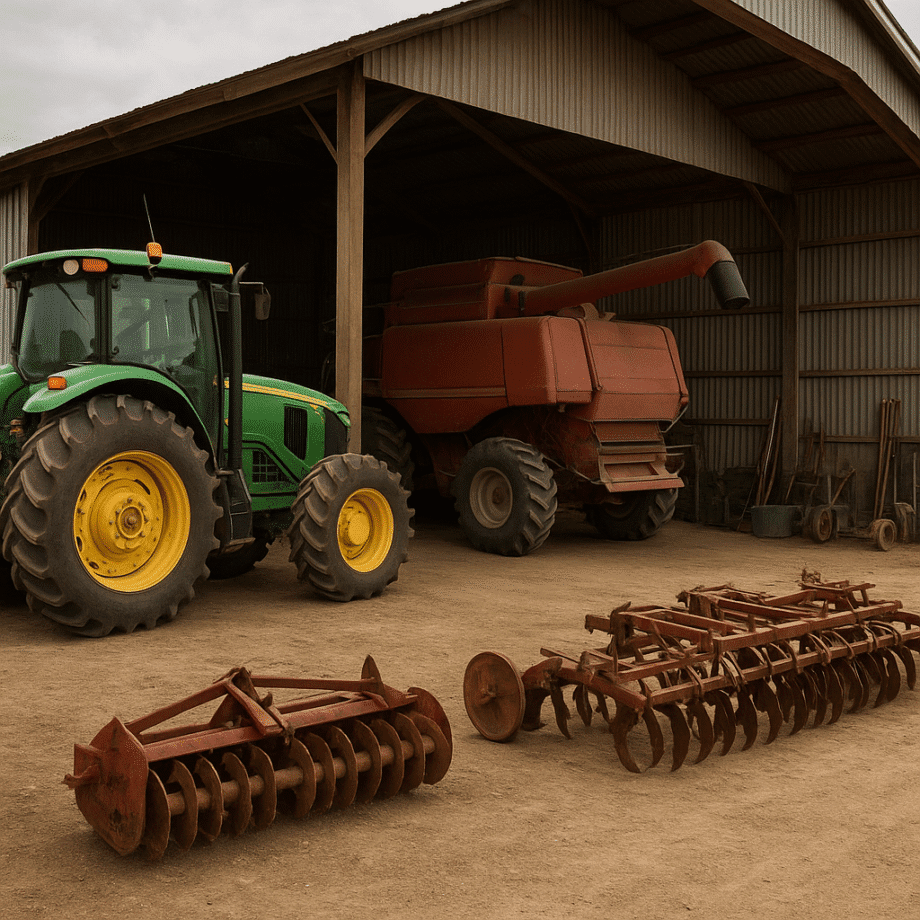
Proper storage of agricultural equipment during the dormant period is crucial for preserving performance, extending service life, and reducing repair costs. This guide explores best practices to prepare, protect, and maintain your machines until they return to the fields.
Understanding Off-Season Storage Challenges
When the harvesting ends and planting waits, tractors, combines, balers, and sprayers enter an off-season hibernation. During this downtime, exposure to harsh weather, pests, or careless handling can lead to unexpected breakdowns. Key factors that threaten stored equipment include:
- Fluctuating temperatures that promote condensation and moisture build-up
- Aggressive UV rays causing paint and rubber deterioration
- Corrosive agents that accelerate rust
- Pests nesting in hollow compartments
Recognizing these hazards helps farmers schedule the right maintenance tasks and choose suitable shelter solutions.
Essential Preparation Steps Before Storage
1. Comprehensive Cleaning
Thorough cleaning is the frontline defense. Residual crop debris, soil, and chemical residues should be removed to prevent corrosion and contamination. Follow these steps:
- Pressure wash all surfaces, paying attention to wheels, undercarriage, and moving parts.
- Use biodegradable detergents to avoid environmental harm.
- Dry equipment completely with compressed air or absorbent towels.
2. Fluid Management and Fuel Stabilization
Engine oils, hydraulic fluids, and coolants degrade over time. Replace or top up according to the manufacturer’s schedule. Treat diesel or gasoline with certified stabilizers to prevent varnish and gum deposits. Key actions:
- Change engine oil and filter after the last operation.
- Fill fuel tanks to minimize air space and moisture ingress.
- Add fuel preservative and run the engine briefly to circulate the additive.
3. Lubrication of Moving Parts
Apply fresh grease or oil to bearings, joints, and linkages. Proper lubrication forms a protective barrier against rust. Check the operator’s manual for grease point locations and recommended products.
4. Battery Care and Electrical Systems
Remove batteries to prevent self-discharge and corrosion:
- Clean terminals and apply dielectric grease.
- Store batteries in a cool, dry place, and maintain a partial charge with a trickle charger.
- Inspect wiring harnesses for chafing, rodent damage, or loose connectors.
Long-Term Storage Maintenance Tips
Proper preparation should be supplemented with regular checks throughout the off-season. These periodic inspections catch minor issues before they become major breakdowns.
1. Monthly Visual Inspections
Walk around each machine to verify:
- Tires remain properly inflated and free of dry rot.
- Seals and gaskets show no leaks or cracks.
- No new paint chips or bare metal spots are exposed.
2. Moisture Control
To fight moisture accumulation inside cabins and storage bays:
- Use desiccant packs in enclosed areas.
- Install dehumidifiers in sheds or barns.
- Ensure building ventilation prevents condensation.
3. Pest Deterrence
Rodents and insects can damage wiring insulation and rubber hoses. Tactics include:
- Placing mothballs or rodent bait stations around machines (but not inside engines).
- Keeping storage areas clean and free of spilled grain or feed.
- Sealing cracks and openings in building walls and doors.
4. Protective Covers and Shelters
If indoor space is limited, invest in high-quality, breathable covers. A proper shelter should:
- Block direct sunlight while allowing moisture vapor to escape.
- Be secured to prevent wind uplift.
- Avoid contact with machine surfaces that trap condensation.
Common Mistakes to Avoid
Skipping any step can lead to costly repairs. Beware of these pitfalls:
- Storing equipment with wet surfaces—an open invitation to rust.
- Overlooking small fluid leaks, which worsen over weeks.
- Using non-breathable tarps that trap humidity.
- Neglecting battery maintenance, resulting in permanent capacity loss.
- Failing to rotate tires or move equipment slightly to prevent flat spots.