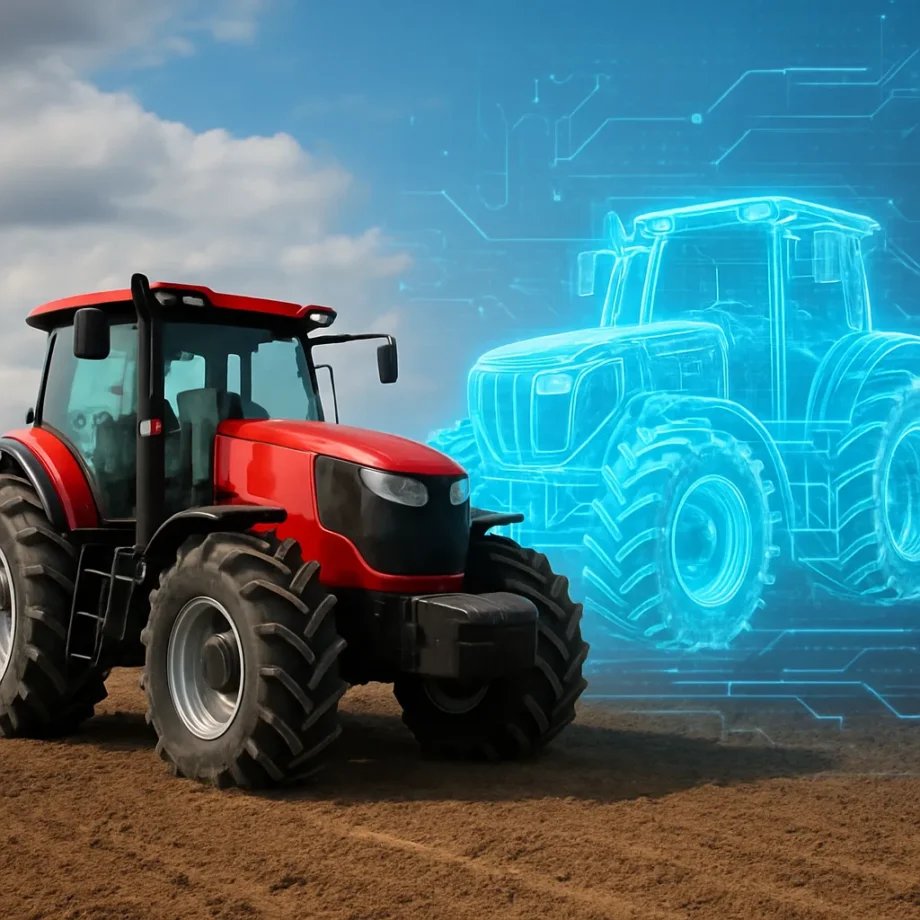
The unfolding collaboration between modern farming and cutting-edge engineering has given rise to a new era in agricultural machinery. This synergy is most apparent in tractor design, where the incorporation of Artificial Intelligence has elevated both efficiency and capability. By leveraging advanced algorithms, real-time data processing, and adaptive control systems, today’s tractors are transforming fields into highly optimized ecosystems. The following sections explore how smart technologies reshape mechanical blueprints, empower precision agriculture, and establish predictive maintenance models that ensure peak performance.
Integrating Artificial Intelligence into Tractor Architecture
The heart of any smart tractor lies in its ability to interpret complex data streams and make autonomous decisions. Traditional design cycles, once driven by manual calculations and physical prototyping, are now augmented with machine learning models that predict stresses, fuel consumption, and operational patterns before a single component is manufactured. Engineers use digital twin simulations to iterate on mechanical layouts, reducing development time and material waste.
Machine Learning-Driven Design Optimization
- Topology optimization algorithms propose lightweight chassis structures by removing redundant mass while maintaining strength.
- Neural networks analyze historical performance data to recommend optimal gear ratios and hydraulic system configurations.
- Genetic algorithms evolve component shapes to minimize aerodynamic drag and soil disturbance during operation.
Digital Twin Simulations
Creating a virtual replica of a tractor allows continuous refinement. Every hydraulic circuit, engine curve, and tire tread pattern can be tweaked and tested in a simulated environment. This approach not only accelerates time-to-market but also supports the integration of sensors that feed back live performance metrics to the design office. Iterative loops between physical prototypes and digital models ensure that final products meet stringent reliability benchmarks.
Sensor Fusion and Data-Driven Precision Agriculture
Data lies at the core of modern agronomy. Tractors fitted with an array of sensors generate terabytes of information each day, covering soil moisture, crop health, ambient weather, and machine vitals. Through sensor fusion, these diverse inputs converge to guide every pass across a field, enabling variable rate application of seeds, fertilizers, and pesticides. The result is higher yields, reduced chemical runoff, and lower operating costs.
Real-Time Monitoring and Control
- Multispectral cameras detect crop stress zones that invisible to the naked eye.
- LiDAR systems map terrain contours for optimized tilling depth and field leveling.
- GPS-based auto-steering ensures centimeter-level accuracy, even in low-visibility conditions.
Adaptive Variable Rate Technology
By cross-referencing soil maps with yield data, AI-driven controllers dynamically adjust input rates on-the-go. This data analytics approach leads to fewer overlapping passes and maximizes resource utilization. Farmers experience uniform crop emergence and can tailor treatment plans to localized field conditions, preserving biodiversity and supporting sustainability goals.
Autonomous Operation and Predictive Maintenance
Emerging autonomy is perhaps the most visible outcome of AI in tractor design. Today’s prototypes navigate fields using a combination of on-board intelligence and edge computing. Enhanced by computer vision and ultrasonic sensors, these machines detect obstacles, adjust speed, and coordinate with other automated equipment to perform seeding, spraying, and harvesting tasks with minimal human supervision.
Self-Driving Tractors
- Deep learning models identify crop rows and field boundaries to maintain optimal driving paths.
- Real-time obstacle recognition prevents collisions with rocks, livestock, or maintenance equipment.
- Fleet management platforms schedule tasks across multiple autonomous units to maximize throughput.
AI-Powered Predictive Maintenance
Downtime on the farm can be costly. Tractors embedded with telemetry modules continuously stream engine parameters, hydraulic pressures, and vibration signatures to centralized AI hubs. Predictive algorithms flag anomalies long before mechanical failures occur, enabling proactive parts replacement and service scheduling. This transition from reactive repairs to health monitoring extends component life and enhances overall machine availability.
Enhancing Tractor Value through Connectivity and Robotics
Beyond individual machines, the integration of Internet of Things platforms ties tractors into broader digital ecosystems. Real-time dashboards display fleet status, fuel consumption trends, and environmental impact metrics, allowing farm managers to make strategic decisions with unprecedented granularity. Robotics modules further augment tractors with automated implements, transforming them into multi-functional platforms that adapt to seasonal requirements.
Modular Robotics Attachments
- Automated seed drills that calibrate depth and spacing using AI-driven feedback loops.
- Robotic arms capable of targeted weeding, reducing herbicide usage by up to 90%.
- Swappable tool heads that enable a single tractor to switch between baling, mowing, and spraying tasks in minutes.
Connected Farm Management
Cloud-based solutions collect data across all machinery, weather stations, and supply chains. AI engines forecast optimal planting windows, irrigation schedules, and harvest timelines by analyzing long-term climate models alongside real-time field metrics. This holistic approach nurtures resilient operations that can adapt to volatile market demands and unpredictable weather patterns.
Pioneering the Future of Sustainable Agriculture
By fusing sophisticated AI with robust mechanical platforms, the latest generations of tractors are ushering in a greener and more efficient agricultural landscape. Enhanced fuel economy, reduced chemical dependency, and precise resource allocation are driving a paradigm shift toward eco-friendly farming. As research into advanced materials and biodegradable fuels accelerates, AI-enabled tractors will become even more integral to feeding a growing global population responsibly.
Continual Evolution
- Researchers are exploring edge AI chips that allow real-time inference at the hardware level, minimizing latency.
- Biometric sensors will monitor operator health and fatigue levels to ensure safe and comfortable work environments.
- Swarm robotics research could enable dozens of micro-tractors to collaborate seamlessly across large estates.
Opportunities and Challenges
While the promise of AI-driven tractors is immense, challenges remain in ensuring data security, infrastructure availability, and equitable access for smallholder farmers. Collaborative efforts between agronomists, engineers, and policymakers are crucial to democratize these innovations. By addressing regulatory frameworks and investing in rural connectivity, stakeholders can unlock the full potential of tomorrow’s smart agriculture revolution.