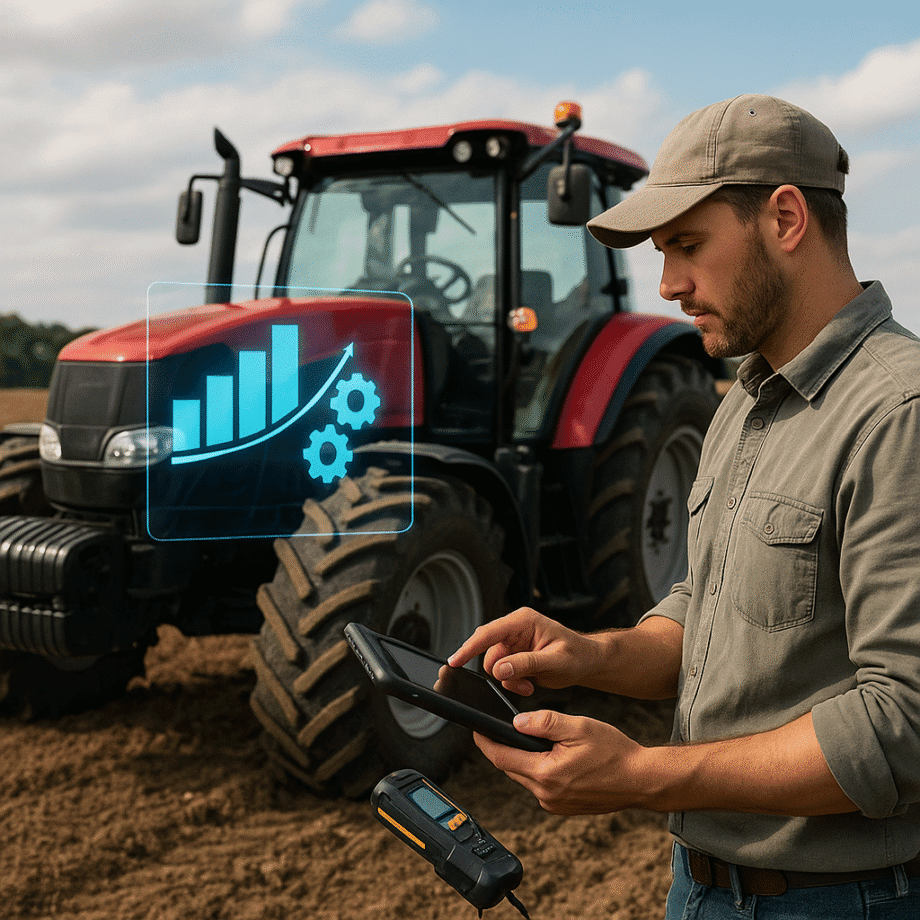
Integrating advanced technologies into modern tractors can revolutionize field operations, improve resource management, and boost yields. By leveraging IoT platforms, precision mapping, and real-time data streams, farmers can achieve unprecedented levels of efficiency and reliability. This article explores key strategies for optimizing tractor performance with cutting-edge tools and practices.
Precision Agriculture Integration
As farms expand and resources become scarcer, adopting precision techniques is crucial. Tractors equipped with satellite-based guidance systems transform row planting, fertilization, and tillage into exact, repeatable processes. Leveraging GPS positioning reduces overlap, minimizes input waste, and ensures consistent coverage across varied terrains.
Key Components of Precision Integration
- Sensors embedded in implements monitor soil moisture, temperature, and compaction in real time.
- Geographic Information Systems (GIS) generate detailed field maps for variable-rate application.
- Automated steering systems maintain straight lines and reduce operator fatigue.
- Yield monitors record harvest data, enabling data-driven decisions for subsequent seasons.
Benefits of Variable-Rate Technology
- Optimized input usage for fertilizers, seed, and chemicals.
- Enhanced crop uniformity and improved productivity.
- Lower environmental impact through precise resource placement.
- Cost savings by targeting problem areas rather than blanket applications.
Implementing Smart Monitoring Systems
Equipping tractors with advanced telematics and sensor networks creates a constant flow of actionable insights. Real-time monitoring of engine health, fuel levels, and implement performance ensures tractors operate at peak levels. Farmers can track vehicles remotely, schedule maintenance, and swiftly address anomalies before they escalate into major breakdowns.
Essential Monitoring Tools
- Onboard telemetry units stream live data on engine RPM, oil temperature, and hydraulic pressure.
- Fuel sensors detect consumption patterns, helping adjust driving tactics to minimize waste.
- Cab-based displays deliver instant alerts for low coolant levels or filter blockages.
- Wireless connectivity offers seamless integration with farm management software.
Enhancing Operator Decision-Making
Deploying smart dashboards in tractor cabs empowers operators with contextual alerts. By combining field maps, fuel usage graphs, and weather forecasts, decision support systems guide route planning and task timing. This level of connectivity reduces idle time, prevents costly field delays, and boosts overall operational automation.
Maintenance and Data Analytics for Peak Efficiency
Data collected from sensors and telematics units feed into robust analytics platforms. Here, advanced algorithms—often based on machine learning—predict maintenance needs, estimate part wear, and detect subtle anomalies that escape human inspection. This predictive approach extends equipment life, lowers repair costs, and maximizes uptime.
Predictive Maintenance Workflows
- Continuous vibration analysis pinpoints early-stage bearing failures.
- Oil condition monitoring tracks contamination levels and schedules timely fluid changes.
- Load and torque sensors forecast drivetrain stress patterns.
- Automated service reminders sync with local dealers for rapid parts replacement.
Key Advantages of Analytics-Driven Maintenance
- Reduced unplanned downtime through early fault detection.
- Lower total cost of ownership by extending intervals between overhauls.
- Improved sustainability via optimized fuel and lubricant usage.
- Enhanced safety, as potential hazards are identified before failure.
Integrating Farm Management Platforms
Modern agricultural enterprises rely on centralized dashboards that consolidate tractor performance, field data, and supply chain logistics. Seamless data exchange across machines, storage facilities, and processing plants streamlines workflows. By analyzing historic patterns, these platforms help forecast labor needs, align harvest schedules, and manage inventory with precision.
Future-proofing fleets involves standardizing communication protocols, choosing interoperable control units, and investing in scalable cloud infrastructure. With the right combination of technology, farms can transform raw data into strategic insights, driving both short-term gains and long-term resilience.