The evolution of agricultural machinery has dramatically transformed the way farmers cultivate land, manage crops, and optimize yields. As the global population continues to rise, the demand for efficient and sustainable food production systems becomes increasingly critical. Modern equipment integrates cutting-edge **innovation**, advanced materials, and digital technologies to meet these challenges head-on. This article explores key developments, precision farming techniques, design factors, and future trends shaping the world of agricultural machinery.
Innovations in Agricultural Machinery
Manufacturers worldwide invest heavily in research and development to deliver **efficient**, reliable, and versatile machines. From tractors and combines to sprayers and planters, each piece of equipment now incorporates enhanced functionalities, enabling farmers to accomplish more with fewer resources.
High-Efficiency Powertrains
- Modern diesel engines meet stringent emissions standards while delivering exceptional **torque** and drivability.
- Electric and hybrid drivetrains are gaining traction, promising reduced **fuel** consumption and lower carbon footprints.
- Modular power units allow for easy maintenance and future upgrades.
Advanced Materials and Construction
Lightweight, high-strength alloys and composites play a crucial role in enhancing durability without compromising maneuverability or load capacity. These materials contribute to overall **sustainability** by extending service life and reducing the weight that engines must propel.
Automation and Robotics
- Automated steering systems use GNSS and inertial sensors for sub-inch accuracy in field operations.
- Driver-assist technologies facilitate repetitive tasks, reducing operator fatigue and human error.
- Robotic platforms for weeding, seeding, and harvesting are emerging, offering potential for fully autonomous fieldwork.
Precision Farming and Smart Technologies
Precision agriculture leverages data and digital solutions to tailor field operations at a granular level. This approach increases **yield**, optimizes input usage, and promotes environmental stewardship.
Sensor Integration and Remote Monitoring
- Soil moisture and nutrient sensors provide real-time feedback on field conditions.
- Crop health monitoring via multispectral cameras and drones enables early detection of stress, pest infestations, or disease.
- Telematics platforms collect machine performance metrics, facilitating preventative maintenance.
Variable Rate Technology (VRT)
By adjusting the application rate of fertilizers, pesticides, and seeds based on precise field maps, VRT systems ensure resources are distributed exactly where needed. This results in reduced waste, lower costs, and minimized environmental impact. The synergy between VRT and **data analytics** further refines decision-making, enabling predictive interventions.
Digital Twins and Simulation
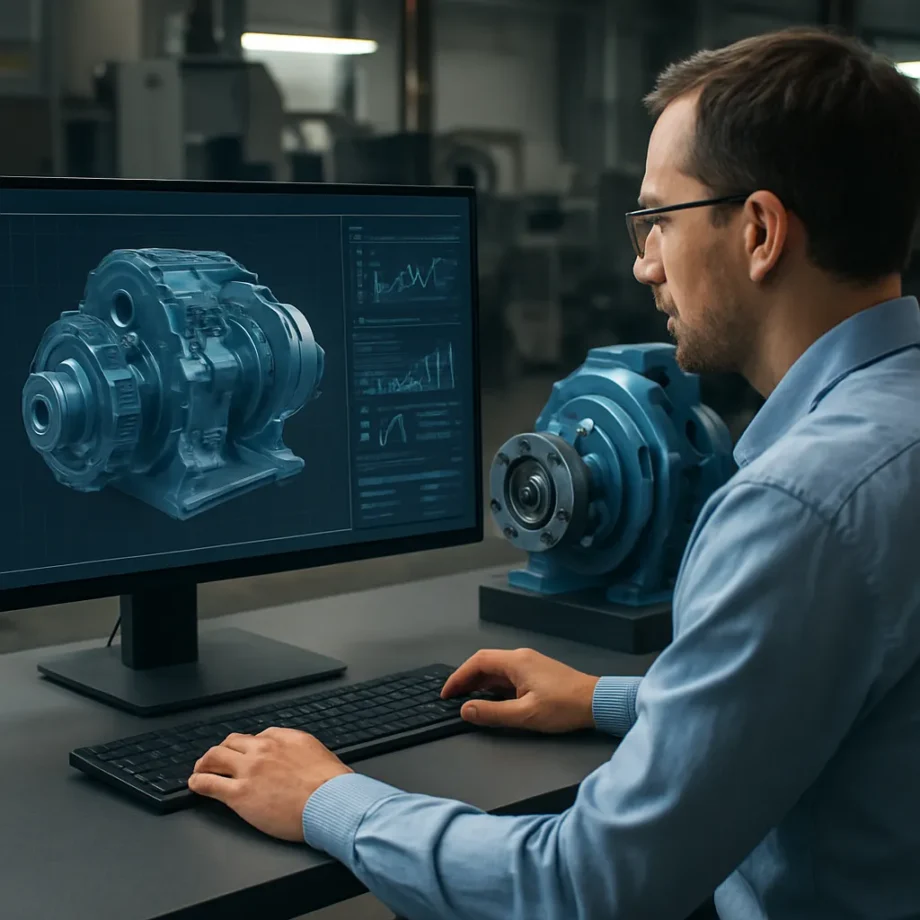
Digital twins offer virtual replicas of physical machinery, allowing engineers and operators to simulate performance under various scenarios. By analyzing stress points, wear patterns, and energy consumption in a digital environment, teams can optimize designs for greater **reliability** and efficiency before building prototypes.
Design Considerations for Robust Equipment
Creating agricultural machinery that withstands harsh field conditions involves multiple disciplines, from mechanical engineering to materials science and software development. Key factors include ergonomics, **connectivity**, and maintenance accessibility.
Ergonomic and Human-Centered Design
- Modern cabs feature adjustable seats, intuitive controls, and advanced climate systems to enhance operator comfort during long hours.
- Touchscreen interfaces consolidate machine status, mapping data, and performance metrics in one place.
- Voice command and gesture controls are increasingly tested to minimize manual input and streamline workflows.
Modular Architecture
Modularity enables rapid customization and simplifies repair processes. By designing machines with interchangeable components—such as power packs, hydraulic modules, and electronic control units—manufacturers can reduce downtime and cater to diverse agricultural practices worldwide.
Durability and Wear Resistance
Field machinery often encounters abrasive soils, fluctuating loads, and corrosive environments. Applying specialized coatings, hardened steel alloys, and self-lubricating bearings addresses these issues, ensuring long-term **performance** and minimizing unexpected failures.
Future Outlook and Emerging Trends
As agriculture pivots toward a more digital and sustainable future, machinery will evolve accordingly. Several trends promise to reshape how equipment is designed, manufactured, and operated in the coming years.
Electrification and Renewable Energy Integration
- Battery-electric tractors and implements will become more prevalent, driven by global decarbonization goals.
- Solar panels mounted on equipment or within farm infrastructure may supply auxiliary power for sensors and actuators.
- Energy recovery systems are under development to capture and reuse kinetic energy during braking or lowering heavy loads.
Artificial Intelligence and Machine Learning
Machine learning algorithms will analyze vast datasets—from weather forecasts to plant physiology—to recommend optimal planting schedules, irrigation plans, and pest control strategies. AI-driven machines may even adjust settings autonomously to respond to real-time conditions, further enhancing **productivity**.
Collaborative Robotics and Swarm Technologies
Rather than relying on single large machines, future operations might deploy fleets of small, lightweight robots working in concert. These swarms can perform tasks like targeted weeding and selective harvesting with minimal soil compaction and high precision.
Blockchain and Supply Chain Traceability
Integrating blockchain technology into machinery data streams will enable transparent tracking of produce from field to consumer. Such traceability fosters trust, certifies organic or fair-trade claims, and facilitates rapid recall procedures when necessary.
In conclusion, the intersection of **automation**, digitalization, and sustainable design principles is driving a new era in agricultural machinery. As these advanced technologies continue to mature, farmers will benefit from smarter, **more** adaptable equipment capable of meeting the demands of a growing world population while protecting vital natural resources.