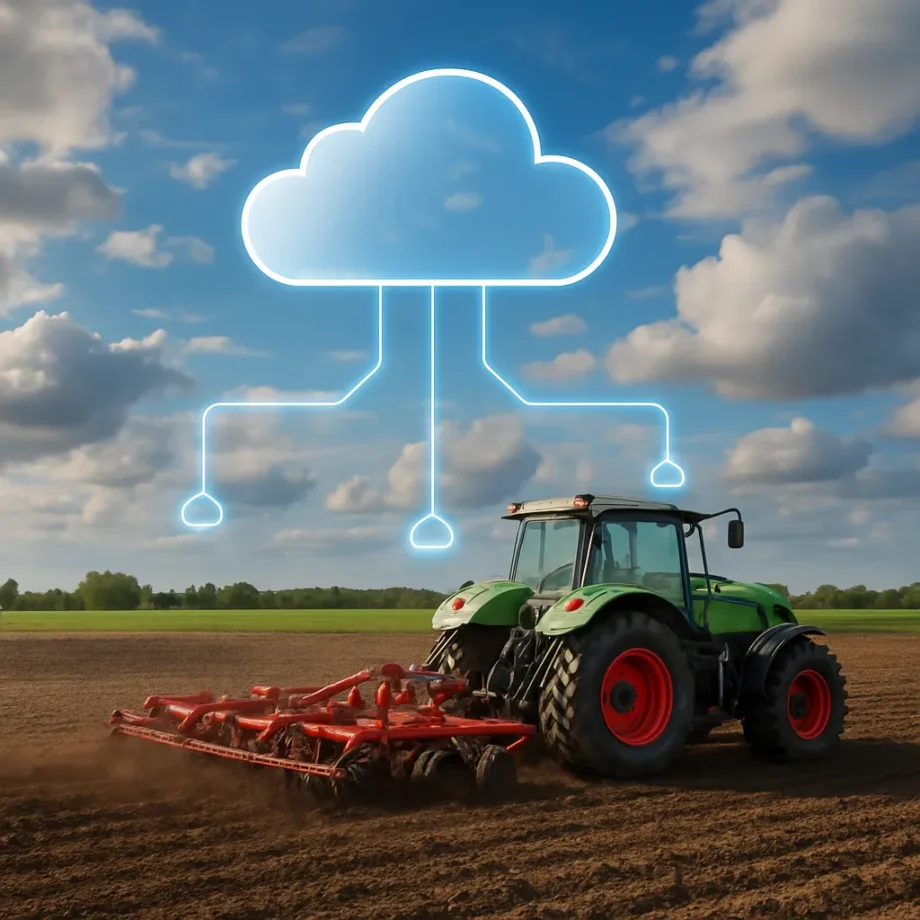
The Integration of Cloud Computing in Agricultural Machinery has ushered in a new era of efficiency, sustainability, and precision. As farmers seek innovative solutions to meet rising food demands, the fusion of traditional equipment with advanced digital platforms enables unprecedented control over field operations. This article explores key aspects of this technological revolution, discussing how enhanced connectivity, sophisticated analytics, and automated systems transform modern agriculture.
Enhanced Connectivity and Data Management
Seamless communication between machines and central systems is fundamental for modern farms. Cloud-based platforms offer connectivity that transcends geographical limitations, ensuring continuous data flow from the field to the dashboard. By integrating IoT sensors on tractors, combines, and planters, farmers gain access to real-time data on equipment performance, environmental conditions, and crop status.
- Centralized Storage: Cloud servers accommodate vast volumes of information, from soil moisture readings to engine diagnostics.
- Scalable Infrastructure: As sensor networks expand, cloud resources adapt, preventing data bottlenecks.
- Data Security: Advanced encryption protocols protect sensitive agronomic and financial records.
- Remote Accessibility: Stakeholders access dashboards via web or mobile apps, enabling instant decision-making.
Through these features, farmers transition from isolated machines to a cohesive network where each unit contributes valuable insights. The aggregation of data in a cloud environment simplifies complex tasks, such as generating yield maps or tracking fertilizer usage. Over time, this consolidated repository evolves into a knowledge base, driving continuous improvement.
Precision Agriculture and Analytics
Precision agriculture leverages detailed metrics to optimize every phase of crop production. When cloud computing is layered onto machinery, it unlocks powerful analytics and decision-support tools. High-resolution satellite imagery, local weather forecasts, and historical yield data converge in cloud platforms to inform strategies for planting, irrigation, and harvesting.
Advanced Predictive Models
- Machine Learning Algorithms: Automatically identify patterns in crop health, predicting disease outbreaks or pest infestations.
- Yield Forecasting: Utilize statistical models to estimate output based on current conditions and past performance.
- Variable Rate Application: Cloud-driven prescriptions dictate seed, fertilizer, and pesticide dosages, ensuring inputs are delivered exactly where needed.
These techniques rely on continuous feedback loops: as machinery collects field measurements, the cloud refines its models, enhancing accuracy over successive seasons. The result is a closed-loop system that minimizes waste, reduces costs, and improves overall productivity.
Automation and Remote Monitoring
Automated agricultural machinery represents the convergence of robotics, machine learning, and cloud control systems. From self-steering tractors to driverless harvesters, these vehicles operate with minimal human intervention. Cloud connectivity enables remote monitoring, so operators can oversee multiple units simultaneously and receive alerts for critical events.
- Telematics Dashboards: Display live locations, fuel consumption, and operational status on interactive maps.
- Predictive Maintenance: Monitor engine hours, filter health, and vibration levels, scheduling service before failures occur.
- Autonomous Path Planning: Predefined field boundaries and obstacle databases allow machines to navigate safely and efficiently.
By eliminating repetitive manual tasks, automation liberates labor resources for higher-level activities. At the same time, continuous surveillance via cloud-based cameras and drones enhances safety, as technicians can detect hazards without physical presence.
Integration with Supply Chain and Market Platforms
Beyond the field, cloud-enabled machinery connects to broader supply chain and commodity-trading systems. This integration fosters transparency and traceability, from planting to retail shelves. Farmers can upload harvest volumes and quality metrics directly to digital marketplaces, aligning production with demand trends.
- Blockchain Registers: Immutable records of seed provenance, chemical applications, and processing steps improve food safety.
- Dynamic Pricing Tools: Real-time market data informs when and where to sell produce for maximum return.
- Logistics Coordination: Cloud apps manage transport scheduling, reducing delays and spoilage.
Such end-to-end visibility supports contracts, certifications, and compliance with regulatory requirements. Brands and consumers gain confidence in the origin and integrity of agricultural products, while producers optimize revenue streams.
Challenges and Future Directions
Despite its potential, the adoption of cloud computing in agricultural machinery faces several hurdles. Rural connectivity remains uneven, with many regions lacking reliable high-speed Internet. Ensuring interoperable standards among equipment manufacturers is critical to prevent vendor lock-in and facilitate cross-platform data exchange.
- Bandwidth Constraints: Low-latency networks are essential for real-time control, especially for autonomous functions.
- Data Ownership: Clear policies must define who owns, accesses, and profits from farm-generated data.
- Cost Barriers: Upfront investments in sensors, connectivity modules, and subscription services may deter smallholder farmers.
Looking ahead, the evolution of 5G and satellite Internet promises to extend connectivity to even the most remote plots. Advances in edge computing will offload latency-sensitive tasks from distant servers to local gateways, enabling faster responses. As artificial intelligence algorithms mature, they will unlock new capabilities, such as predictive weather adaptation and automated crop breeding simulations.
The convergence of technologies signals a shift toward fully integrated digital farms, where cloud computing is not merely a back-end service but the nerve center of all field operations. By addressing existing challenges and fostering collaboration between technology providers and agricultural communities, the next generation of machinery will drive a sustainable revolution in food production.