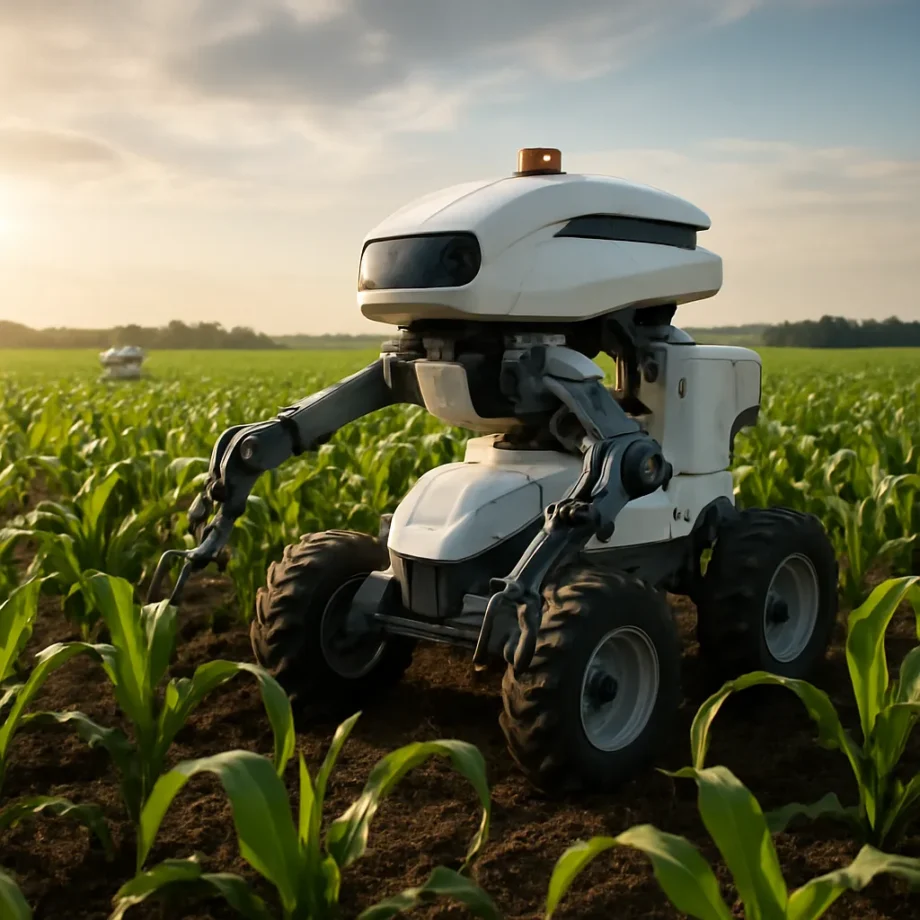
The agricultural sector is undergoing a revolution driven by the emergence of smart harvesting robots. These autonomous machines promise to reshape traditional farming methods, boosting productivity while minimizing environmental impact. As technological advances accelerate, the integration of intelligent systems in the field is transforming the way crops are monitored, picked, and processed. In this article, we explore the evolution, core technologies, practical deployment, and future trajectories of smart harvesting robots, offering insights into the next generation of agricultural machinery.
Evolution of Smart Harvesting Robots
Advances in mechanization have long been central to modern agriculture, but the latest wave of innovation centers on robotics and automation. Early combine harvesters and self-propelled balers paved the way for today’s autonomous machines equipped with high-resolution cameras and real-time processing units. The shift toward autonomy was sparked by growing labor shortages, rising fuel costs, and the demand for higher yields. Pioneering prototypes in the 2010s combined basic computer vision with rudimentary navigation, enabling limited tasks such as fruit picking in controlled environments.
Over the past decade, improvements in battery technology and on-board computing have given rise to field-ready robots capable of operating for extended periods. Integration of global navigation satellite systems (GNSS), inertial measurement units (IMUs), and advanced control algorithms now allows robots to traverse uneven terrain with remarkable stability. Many research institutions and agritech startups have collaborated to refine machine architectures, resulting in hybrid platforms that can switch between wheeled, tracked, or legged locomotion depending on soil conditions.
The evolution continues as machines learn to adapt to diverse crops—from delicate berries to robust grains—without human intervention. Through continuous learning cycles, modern systems optimize their harvesting patterns to reduce damage and increase throughput. By bridging the gap between mechanized equipment and intelligent software, smart harvesting robots represent a pivotal stage in the digital transformation of farming.
Key Components and Technologies
The performance of harvesting robots hinges on the seamless integration of multiple technologies. Among the most critical elements are:
- Artificial intelligence engines that analyze visual data and classify crop maturity in real time.
- Sensors such as LiDAR, multispectral cameras, and proximity detectors that map field geometry and detect obstacles.
- High-capacity batteries or hybrid power units that ensure sustained operation across long planting rows.
- Robust end-effectors—grippers or mechanical claws—designed to handle various fruit and vegetable textures without bruising.
- Advanced communication modules supporting low-latency connectivity for remote monitoring and updates.
Under the hood, deep neural networks process thousands of data points per second to identify ripe produce by color, shape, and size. Collaborative robots, or cobots, often work alongside human operators, learning from their motions to refine picking strategies. Emerging edge computing solutions enable data processing directly on the robot, reducing reliance on cloud connectivity and cutting down latency. This distributed intelligence model enhances both autonomy and resilience in isolated or low-signal environments.
Integration into Modern Farms
Deploying smart harvesting robots on large-scale farms requires careful planning and customization. Farmers must consider factors such as field layouts, crop varieties, and seasonal cycles. Implementation typically follows these steps:
- Site assessment to map field topography, drainage patterns, and existing infrastructure.
- Selection of compatible robotic units tailored to specific crops—tomatoes, strawberries, grapes, or grains.
- Calibration of sensory arrays and AI models to local environmental conditions, including lighting and humidity.
- Training sessions where robots operate under supervision, allowing fine-tuning of navigation and picking algorithms.
- Integration with farm management software for scheduling tasks, tracking efficiency, and analyzing yield data.
One success story involves a vineyard in California that replaced seasonal labor with a fleet of harvesters capable of picking grapes at peak ripeness. By combining real-time soil moisture readings with spectral analysis of leaf health, the robots determined optimal harvest windows. As a result, the vineyard saw a 15% increase in uniformity of grape quality and a 20% reduction in waste. Similar achievements have been reported in orchards across Europe and Asia, where autonomous platforms minimize bruising and improve shelf life of delicate fruits.
Challenges and Future Prospects
Despite impressive gains, several hurdles remain before smart harvesting robots become ubiquitous. Key challenges include:
- High upfront costs for research, development, and equipment acquisition.
- Variability in field conditions—mud, slopes, and unpredictable weather can impair performance.
- Interoperability issues between machines from different manufacturers and legacy systems.
- Regulatory and safety concerns surrounding autonomous operation in close proximity to workers.
Looking ahead, breakthroughs in sustainability and modular design may address many of these issues. Next-generation robots are expected to offer plug-and-play components, enabling easy upgrades of sensors or manipulators. Advances in swarm robotics could see fleets of mini-harvesters working in concert to cover vast areas with high precision. Researchers are also exploring biodegradable materials and solar-powered charging stations to further reduce environmental impact.
Innovations in machine learning will enhance adaptability, allowing robots to cope with unforeseen challenges such as pests or disease outbreaks. Integration with Internet of Things (IoT) networks and blockchain-based traceability systems will create transparent supply chains, giving consumers confidence in product origin and quality. As these technologies mature, smart harvesting robots will play an increasingly vital role in ensuring food security and boosting global agricultural productivity.