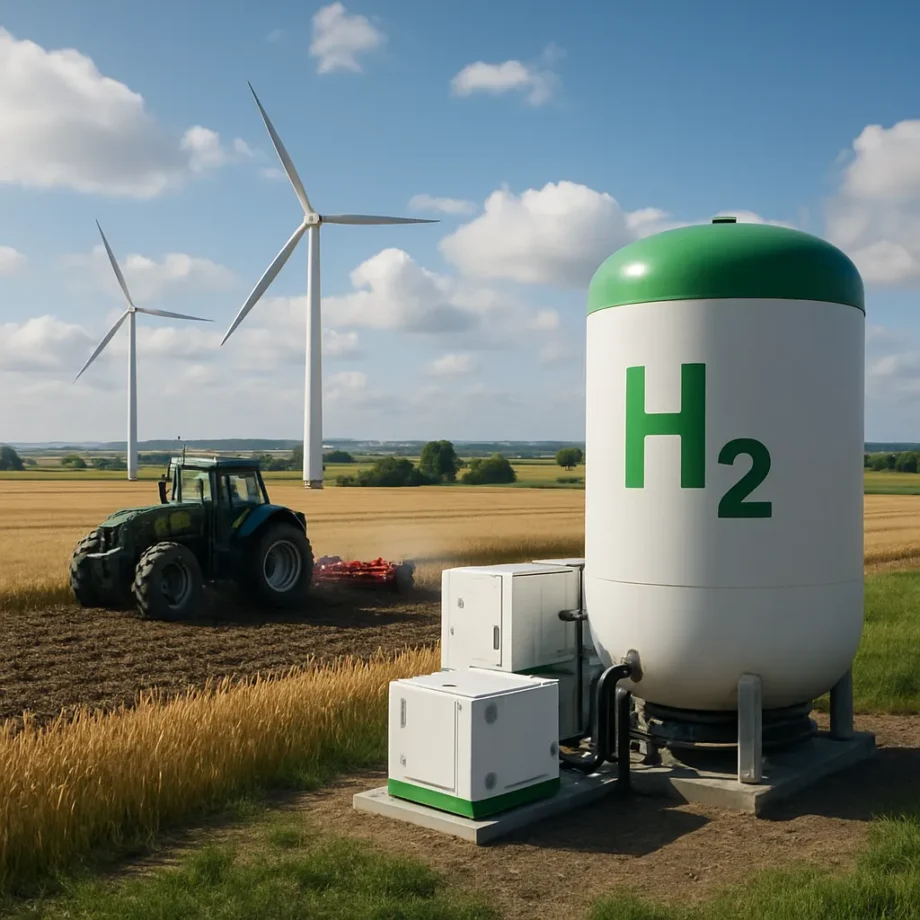
Agricultural machinery has entered a new era of transformation, driven by advances in automation, electrification, and sustainability. As farms seek to boost productivity while reducing environmental impact, the integration of cutting-edge technologies and alternative energy sources is reshaping every aspect of field operations. This exploration covers the latest innovations in farming equipment, the potential of hydrogen-powered systems, and the challenges that lie ahead for a truly modern agricultural landscape.
Innovations in Agricultural Machinery
Manufacturers and research institutes have focused on designing machines that achieve unprecedented levels of efficiency and adaptability. Several key trends are driving these innovations:
- Robotic Platforms: Autonomous tractors and drones equipped with advanced robotics can perform tasks such as seeding, spraying, and harvesting with minimal human intervention. These platforms rely on sensors, machine learning algorithms, and GPS-guided navigation to maintain optimal performance even in variable field conditions.
- Precision Agriculture: Variable-rate applicators and soil-mapping implements enable farmers to apply fertilizers, water, and pesticides according to the exact needs of each plot. This precision-driven approach reduces input costs and environmental runoff while maximizing crop yields.
- Connectivity and Data Analytics: Modern combines, balers, and planters are now equipped with telematic systems that stream real-time operational data to cloud platforms. Advanced analytics provide actionable insights on machine health, field performance, and resource utilization, boosting overall reliability and uptime.
- Modular Implements: Interchangeable attachments allow a single power unit to perform multiple tasks, from soil tillage to post-harvest residue management. This modularity reduces capital expenditure and simplifies maintenance routines.
By combining these technologies, farmers can achieve a more resilient and responsive operation. The result is a shift from reactive maintenance—where equipment is serviced only after failure—to a proactive model that schedules repairs based on real-time condition monitoring.
Implementing Green Hydrogen Powertrains
While battery-electric and biofuel-powered machines have gained traction, hydrogen is emerging as a versatile energy carrier for heavy-duty farm equipment. Key advantages include high energy density, rapid refueling, and zero tailpipe emissions (aside from water vapor). Researchers and industry leaders are exploring several pathways for hydrogen integration:
- Fuel Cell Tractors: Prototype tractors featuring proton-exchange membrane fuel cells convert stored hydrogen into electricity to drive electric motors. These machines promise similar torque curves to diesel units without particulate or CO₂ emissions.
- Hydrogen Combustion Engines: By modifying existing diesel engines to run on hydrogen, manufacturers can leverage current supply chains and service networks. Combustion of hydrogen produces only water, although NOx control strategies must be implemented to minimize nitrogen oxide formation.
- Hybrid Configurations: Combining a small diesel generator with a hydrogen fuel cell or tanked hydrogen provides flexibility and extended range. Such hybrids can switch between fuels based on availability, reducing total greenhouse gas emissions through strategic fuel management.
- On-Farm Hydrogen Production: Solar- or wind-powered electrolysis units installed on agricultural sites can generate hydrogen from water. This decentralized approach enhances energy sustainability and reduces dependence on external fuel suppliers.
Transitioning to hydrogen-based systems requires developing robust supply infrastructure, including secure storage solutions and filling stations. At the same time, rigorous safety standards and operator training programs must be established to handle hydrogen’s unique properties, such as high diffusivity and flammability.
Enhancing Operational Efficiency
Beyond energy sources, improving overall farm efficiency involves a holistic approach combining hardware, software, and human expertise. Strategies include:
- Fleet Management Software: Integrated platforms track equipment deployment, fuel consumption, and maintenance needs. Alerts for upcoming service intervals and predictive diagnostics prevent costly breakdowns during critical work windows.
- Artificial Intelligence: AI-driven decision support systems analyze weather forecasts, market trends, and soil data to optimize planting schedules and resource allocation. By anticipating challenging conditions, these tools help farmers make proactive adjustments.
- Teleoperation and Remote Monitoring: In remote or labor-scarce regions, operators can control machinery from centralized hubs. High-bandwidth connectivity ensures low-latency video feeds and command execution, enhancing safety and productivity.
- Integrative Crop Management: Autonomous sprayers equipped with hyperspectral cameras identify diseases, nutrient deficiencies, and pest infestations early. Targeted interventions minimize chemical use and accelerate recovery, preserving ecosystem health.
The convergence of these elements fosters a data-driven farm that continuously learns and adapts. A resilient operation can withstand market volatility and climate variability by optimizing every resource.
Challenges and Future Outlook
Despite exciting prospects, several obstacles must be addressed before agricultural machinery fully embraces next-generation technologies:
- High Initial Costs: Advanced implements and energy solutions often carry premium prices. Long-term return on investment can justify these expenses, but upfront capital remains a barrier for many producers.
- Infrastructure Development: Establishing a network of green hydrogen refueling stations or high-capacity charging points across rural areas requires substantial investment and coordination among stakeholders.
- Regulatory and Safety Standards: Harmonized regulations governing autonomous operations, emissions, and hydrogen handling are still emerging. Policymakers, manufacturers, and farm organizations must collaborate to define clear guidelines.
- Technical Interoperability: Ensuring that implements, data systems, and energy modules from different vendors can communicate seamlessly is essential for widespread adoption. Open standards and modular architectures will facilitate integration.
Looking ahead, the fusion of connectivity, artificial intelligence, and alternative fuels will propel agricultural machinery toward unparalleled productivity and environmental performance. As the industry continues to innovate, the vision of a fully decarbonized, smart, and resilient farm operation draws ever closer to reality.