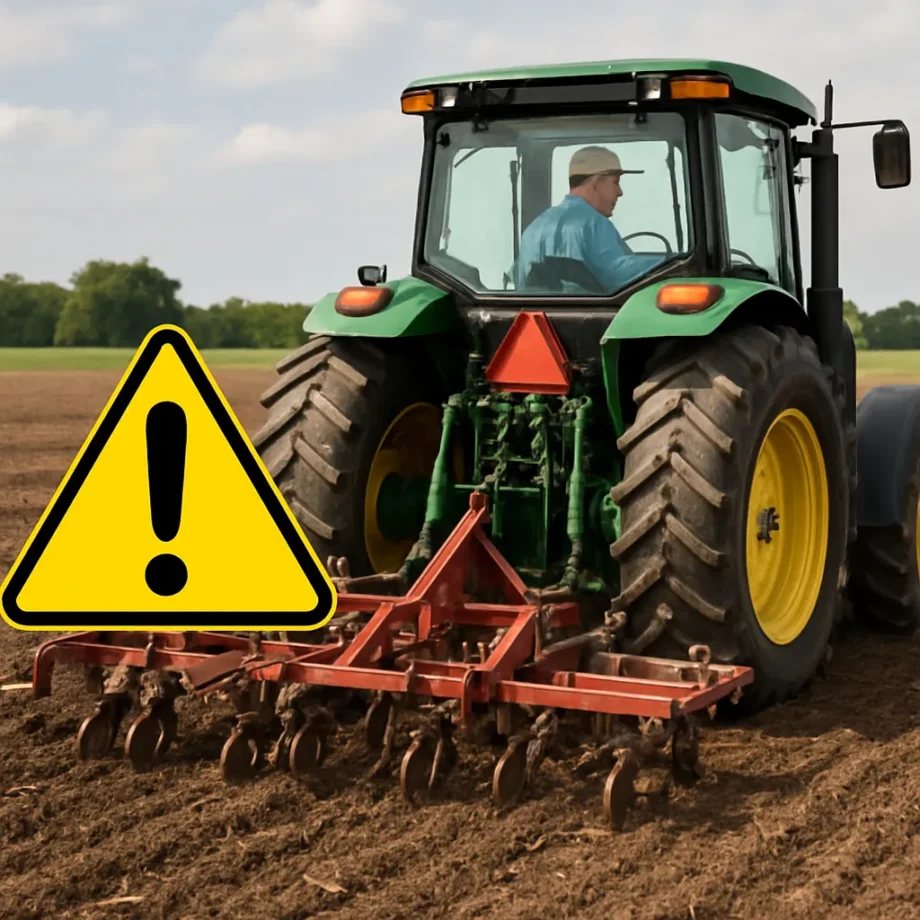
Large-scale farming depends on powerful equipment that can transform fields and boost yields. Safeguarding both human lives and valuable assets requires a dedicated approach to safety. This guide outlines essential strategies to ensure every step of operating heavy agricultural machines is carried out with maximum care. By focusing on proper training, diligent inspection, routine maintenance, and the latest technological aids, farm managers and operators can create a safer, more productive environment on the farm.
Importance of Comprehensive Training and Skill Development
Building a Foundation of Knowledge
Operators must receive systematic education covering machine functions, potential hazards, and emergency procedures. A thorough program typically includes classroom sessions, hands-on practice, and periodic refresher workshops. Instruction should emphasize:
- Reading and interpreting manufacturer manuals and decals
- Understanding control layouts and hydraulic systems
- Recognizing rollover and entanglement risks
- Applying emergency procedures during unexpected events
Certified instructors and seasoned technicians can facilitate realistic simulations that reinforce critical decision-making under pressure. By integrating scenario-based learning, trainees develop confidence in reacting correctly to field complications, such as sudden terrain shifts or mechanical failures.
Ongoing Assessment and Certification
Validation of an operator’s skills is crucial. Implement regular evaluations, combining written tests with practical exams to confirm competency. Certificates not only demonstrate compliance with industry standards but also foster a culture where every individual takes personal responsibility for safety. Periodic skill checks keep personnel alert to evolving best practices and emerging machine designs.
Rigorous Pre-Operation Checks and Preventative Maintenance
Daily and Weekly Inspection Routines
Before any machine leaves the barn, conduct a systematic walk-around inspection. Check fluids, belts, tires, and safety guards. A standard pre-operation list may include:
- Hydraulic fluid levels and leak detection
- Engine oil, coolant, and fuel filters
- Condition of tires or tracks, including proper inflation
- Functionality of lights, horns, and signals
- Integrity of guardrails, shields, and rollover protection structures (ROPS)
Document findings in a logbook or digital app. Any irregularities should prompt immediate action: repair, replace, or remove from service until resolved. Routine maintenance prevents minor issues from escalating into malfunctions that could jeopardize safety or cause costly downtime.
Seasonal Overhauls and Professional Servicing
At key intervals—such as pre-plant and post-harvest—machines require comprehensive overhauls. Engage certified technicians for tasks like hydraulic system flushing, electronic diagnostics, and chassis inspections. Seasonal servicing ensures wear components such as brakes, bearings, and filters remain in optimal condition. Investing time and resources in thorough maintenance extends machine life, reduces risk of catastrophic breakdowns, and upholds operational compliance with manufacturer warranties.
Implementing Safe Operation Practices
Effective Use of Personal Protective Equipment
Equipping operators with the right gear is non-negotiable. Mandatory items include high-visibility clothing, steel-toed boots, gloves, and hearing protection. When handling chemicals or dusty materials, respirators and eye shields become vital. Encourage strict adherence by making PPE accessible and well-maintained. Clear signage and locker-room reminders reinforce the message that safety gear is integral to daily routines.
Field Conduct and Communication Protocols
Safe operation extends beyond the machine itself. Establish clear traffic patterns for vehicles and equipment to minimize collisions. Use radios or hands-free headsets to maintain constant communication between field crews. Implement these guidelines:
- Assign designated paths for large machines away from pedestrian areas.
- Use flaggers or spotters when reversing near blind spots.
- Implement a buddy system for isolated field tasks.
- Display visual warnings—flashing lights or warning signs—during low-visibility conditions.
Adherence to these protocols significantly reduces accidents caused by miscommunication or unexpected movements.
Managing Environmental and Terrain Challenges
Farmland environments can change swiftly, from wet ground to uneven slopes. Operators should:
- Assess soil moisture to avoid bogging down or unexpected slides.
- Maintain safe speeds on inclines, keeping loads balanced and attachments secured.
- Plan routes to bypass soft ground or hidden obstacles, such as irrigation lines and ditches.
Recognizing environmental factors and adapting operation techniques protects both personnel and expensive machinery.
Leveraging Advanced Technology for Enhanced Safety
GPS Guidance and Precision Farming Tools
Modern tractors and combines often come equipped with GPS navigation, automated steering, and obstacle detection systems. These technologies reduce operator fatigue, ensure consistent pass-to-pass accuracy, and limit human error in tight field patterns. Precision farming tools can also identify areas of concern—such as compacted soil or hidden hazards—by analyzing yield data and soil maps.
Telematics and Remote Monitoring
Telematics platforms transmit real-time data on machine performance, location, and usage patterns. Farm managers receive instant alerts for abnormal temperatures, low fluid levels, or erratic behavior, enabling swift corrective measures. Remote diagnostics can troubleshoot minor issues without pausing field work, minimizing interruptions and preserving throughput.
Autonomous Systems and Robotics
While still evolving, driverless tractors and robotic sprayers offer promising safety benefits. Removing the operator from the immediate work zone reduces exposure to dust, noise, and potential rollover scenarios. Autonomous machines follow programmed routes, leveraging sensors and LiDAR to detect obstacles and maintain safe distances. Transitioning to semi-autonomous workflows can enhance overall farm safety when integrated responsibly.
Conclusion of Safety-Driven Innovation
Embracing technological advancements alongside solid training and maintenance programs establishes a robust safety culture. Regular audits, open communication, and investments in both people and machinery create a resilient framework. As large farm machines continue to grow in size and capability, a commitment to these top safety rules will safeguard operations, protect workers, and maintain peak productivity season after season.