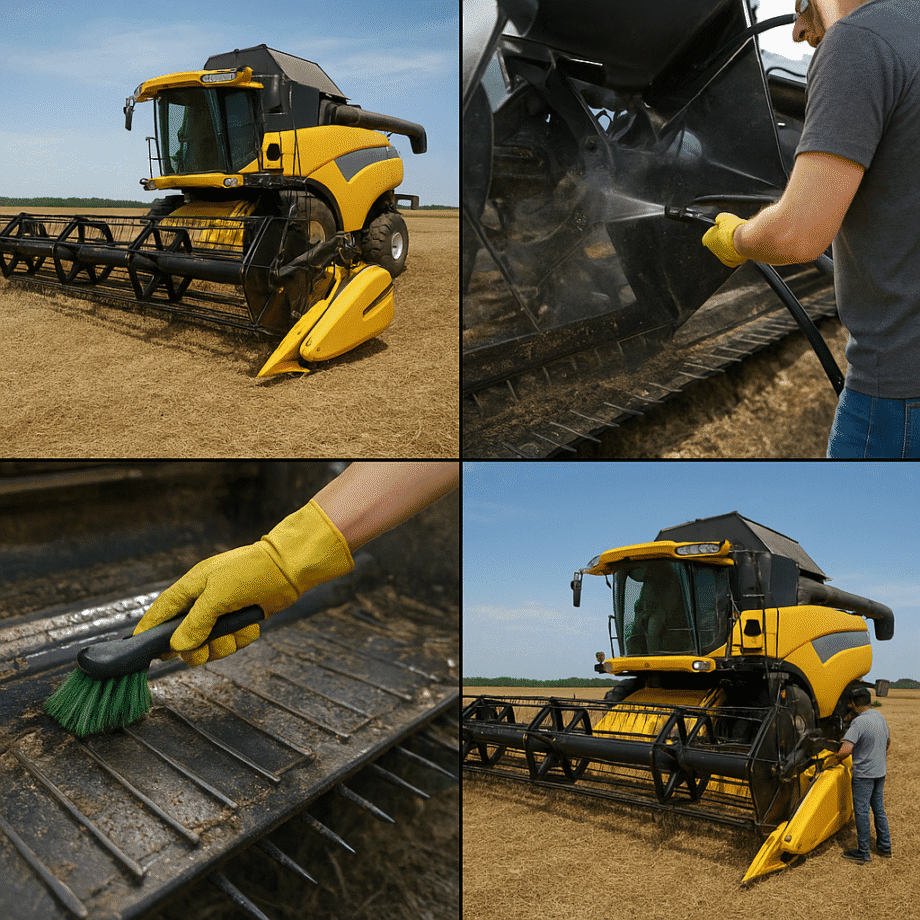
Operating a combine harvester to its full potential depends heavily on thorough upkeep and cleaning routines. A well-maintained machine not only boosts efficiency and productivity but also extends the durability of vital components. This guide walks you through each crucial phase of cleaning, inspection, and post-clean care to ensure your harvester remains a reliable asset through every harvest season.
Preparing for the Cleaning Process
Gather Essential Tools and Equipment
- Pneumatic or electric air compressor for blowing out debris.
- Pressure washer with adjustable nozzles.
- Soft and stiff brushes for different surfaces.
- Appropriate cleaning agents: biodegradable degreasers and rust inhibitors.
- Protective gear: gloves, safety goggles, and ear protection.
- Buckets, rags, and containers for runoff and collection.
Ensure Optimal Safety Conditions
Before beginning, park the machine on level ground and engage all parking brakes. Disconnect the battery to avoid accidental startups. Place warning signs around your work area and ensure proper ventilation if you’re in an enclosed space. Always wear personal protective equipment to guard against chemical splashes and airborne particles.
Step-by-Step Cleaning Procedure
Exterior Cleaning Techniques
Begin with pre-rinsing to remove loose soil and plant matter. Use a low-pressure setting on your washer to prevent damage to sensors and decals. Work from top to bottom, ensuring that roof panels, air intakes, and radiators are free of stubborn caked-on mud. Follow up with a biodegradable degreaser on grease-laden areas around the engine housing and pivot joints.
Interior and Engine Compartment Cleaning
Open all access panels and use an air compressor to blow out hidden corners in the cooling system and fan housing. Apply a mild degreaser to engine components, then gently rinse off. Avoid high-pressure streams directly on electrical modules, wiring harnesses, or hydraulic connectors. Dry exposed areas with clean rags to prevent moisture buildup.
Unclogging Sieves and Chaffers
Remove the cleaning shoe and lay it on a flat surface. Inspect the inspection ports and use a soft-bristle brush to clear crop residue from chaffer bars and sieves. A wire brush can be used cautiously on stubborn grain fragments, but take care not to widen the mesh openings. Finish by tapping out loosened debris and sweeping away any remaining dust.
Cleaning the Grain Tank and Augers
- Empty any leftover grain and sweep the tank floor to dislodge trapped kernels.
- Spray the interior with low-pressure water, focusing on corners and weld seams where material can accumulate.
- Inspect auger flights for wear, then degrease the bearings and chains.
- Retract and extend the unload auger to clean pivot pins thoroughly and apply light grease afterward.
Post-Cleaning Maintenance Tasks
Component Inspection and Lubrication
After cleaning, conduct a comprehensive inspection of all moving parts. Look for signs of wear, cracks, or corrosion on shafts, bearings, and belts. Follow the manufacturer’s lubrication chart to apply grease or oil at designated points. Proper lubrication reduces friction and prevents premature component failure.
Scheduled Part Replacements
- Replace belts that show fraying or cracking.
- Install new filters—air, fuel, and hydraulic—after every 200 operating hours or as recommended.
- Swap out worn seals and gaskets to avoid fluid leaks.
- Consider upgrading to high-performance components if available for enhanced performance.
Final Operational Checks
Reconnect the battery and test all electrical systems. Run the combine at idle speed to confirm normal temperatures and fluid pressures. Check for unusual vibrations or noises, adjusting belt tensions or chain alignments as needed. These final checks will verify that your machine is fully prepared for the field.
Maximizing Longevity and Performance
Routine Maintenance Schedules
Establish a cleaning and service calendar aligned with seasonal demands. Daily light washdowns during harvest, combined with weekly comprehensive cleanouts, will keep buildup at bay. Off-season, consider a full teardown for deep cleaning, inspection, and any necessary repairs. Document each session to track wear patterns and anticipate part replacements.
Storage Best Practices
When the season ends, store your combine harvester in a dry, sheltered area. Cover exposed components with breathable tarps. Drain water from cooling systems and fuel tanks to prevent corrosion. Run a stabilizing additive through the fuel lines to maintain engine integrity. These steps preserve machine condition during inactive periods and streamline startup for next year.