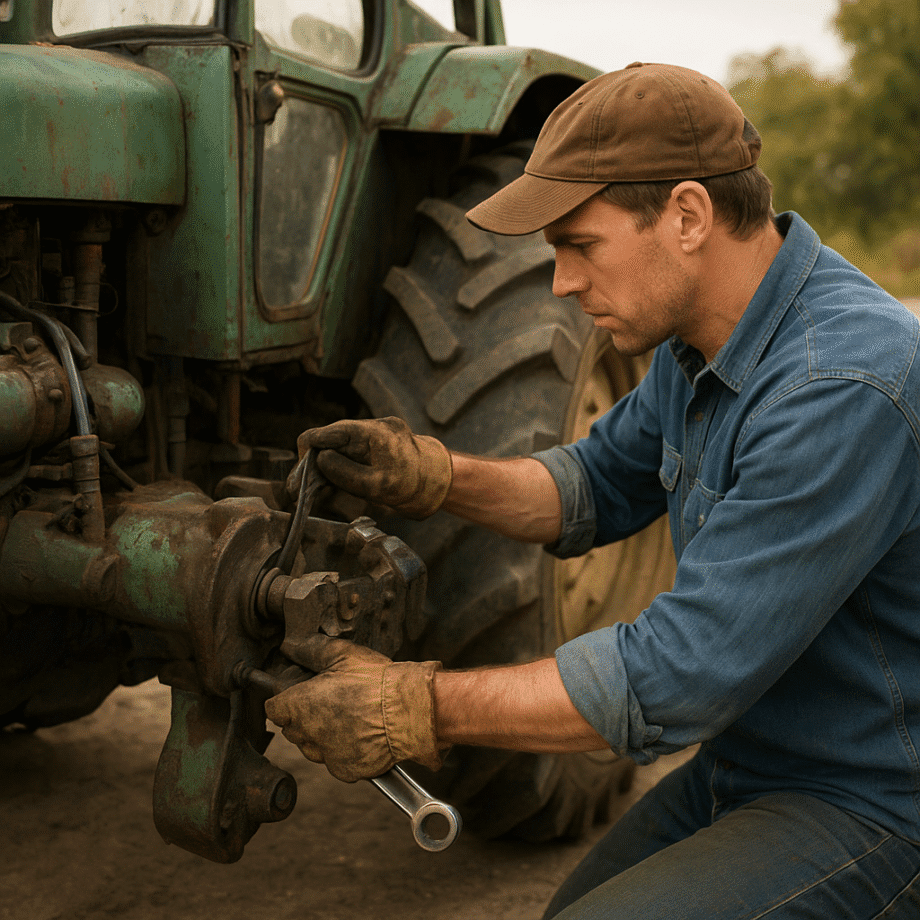
Keeping agricultural equipment in top condition is essential for uninterrupted fieldwork. By learning how to replace worn-out parts on your own, you can save time and money while ensuring your machinery operates at peak efficiency. This guide provides practical advice on inspecting, diagnosing, and replacing key components of modern tractors. Follow along to enhance your mechanical skills and boost your equipment’s performance.
Inspecting and Diagnosing Worn Components
Before diving into any maintenance tasks, a thorough diagnosis is crucial. Start with a systematic walk-around inspection. Look for signs of leaks, cracks, and abnormal wear on crucial parts. Common indicators include:
- Oil or hydraulic fluid puddles beneath the machine
- Loose bolts or hardware on attachments
- Worn treads on tires or tracks
- Staining or corrosion around hydraulic fittings
Next, power up the tractor and listen for unusual noises. Grinding, squealing, or knocking often point to failing bearings or belts. Use a flashlight to check under the hood, focusing on the hydraulics system, drive train, and engine compartment. Document any irregularities in a maintenance log to track recurring issues.
Essential Tools and Equipment You Need
Equipping yourself with the right tools sets the stage for a smooth parts replacement. Your workshop should include:
- High-quality wrenches and socket sets (both metric and imperial)
- Torque wrench for precise bolt tightening
- Hydraulic jack or heavy-duty lift stands
- Clean rags and absorbent pads for fluid control
- Service manual specific to your tractor model
- Replacement filters, belts, gaskets, and seals
- Safety gear: gloves, goggles, and steel-toe boots
Safety cannot be overemphasized. Always wear protective equipment and chock wheels firmly before working underneath your tractor.
Replacing Key Parts: Step-by-Step Procedures
Below are detailed instructions for common parts that may require DIY replacement. Follow manufacturer specs and torque settings to maintain optimal safety and performance.
Hydraulic Filter Change
- Park the tractor on level ground and shut off the engine.
- Relieve system pressure by operating hydraulic controls until resistance drops.
- Position a drain pan under the filter assembly and remove the old filter.
- Clean the filter head with a lint-free cloth, apply a thin film of hydraulic fluid to the new filter’s sealing gasket.
- Install the new filter by hand until snug, then tighten an additional ¾ turn.
- Top up hydraulic fluid and cycle the system to remove air pockets.
Drive Belt Replacement
- Loosen the tensioner pulley to relieve belt tension.
- Note the belt routing and remove the old belt carefully.
- Inspect pulleys for wear or misalignment and replace if necessary.
- Fit the new belt following the routing diagram, ensuring correct alignment.
- Tighten the pulley to the manufacturer’s specified tension.
- Run the engine briefly to confirm proper belt tracking.
Brake Pad and Disc Service
- Safely elevate the tractor and secure with jack stands.
- Remove wheel assemblies to access brake discs and pads.
- Inspect disc surfaces for scoring; resurface or replace if grooved deeply.
- Extract worn brake pads and inspect caliper pistons for smooth operation.
- Compress pistons evenly, fit new pads, and reassemble caliper.
- Bleed the brake lines to remove air and restore firm pedal feel.
Bearing and Seal Replacement
- Disassemble the hub or pulley to expose bearings and seals.
- Use a puller to extract old bearings without damage.
- Clean housing thoroughly, removing all grease and debris.
- Press new seals and bearings into place using a drift or press tool.
- Repack bearings with high-grade grease before sealing.
- Reassemble components and verify smooth, play-free rotation.
Lubrication Best Practices
Correct lubrication extends part life and reduces downtime. Key points to remember:
- Use manufacturer-recommended grease types and oil viscosities.
- Maintain a consistent greasing schedule for fittings and bearings.
- Monitor fluid levels weekly, topping up before reaching minimum marks.
- Keep lubricant containers sealed and stored in a clean area.
Logging lubrication dates and quantities allows you to spot excessive consumption or leaks early.
Preventive Maintenance to Extend Part Life
Regular inspections and scheduled services are the cornerstone of reliable agricultural machinery. Implement a preventive plan that includes:
- Daily walk-around checks for leaks and visible damage
- Weekly fluid level assessments and filter checks
- Monthly torque verification on critical fasteners
- Seasonal inspections of attachments, hydraulic hoses, and electrical systems
A proactive approach minimizes emergency repairs and maximizes equipment uptime.
Advanced Diagnostics and Upgrades
For those looking to further optimize their tractors, consider integrating digital monitoring solutions. Telemetry kits can track engine hours, temperatures, and hydraulic pressures in real time. Upgrading to quick-fit connectors and high-flow hydraulics enhances versatility when using modern implements. Always calibrate sensors according to the manufacturer’s guidelines to ensure accurate readings.
Conclusion
Mastering the art of self-replacement of worn tractor parts not only sharpens your mechanical prowess but also safeguards your farm’s productivity. With the right tools, methodical diagnosis, and diligent maintenance, you can address common wear issues swiftly and keep your machinery running smoothly for seasons to come.