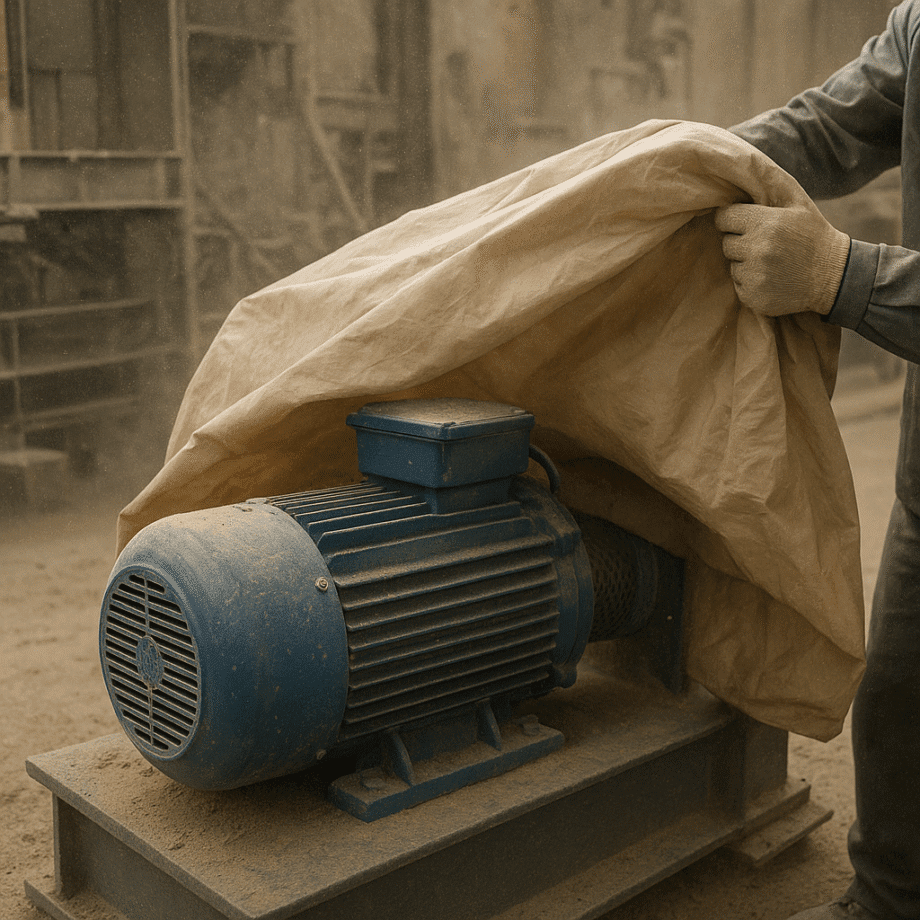
Agricultural machines operate in some of the harshest conditions, where swirling dust and flying debris can quickly undermine performance. Understanding how to shield your equipment from these threats is crucial for maintaining optimal functionality and reducing downtime. This article explores the origins of airborne particles, outlines robust strategies for protection, and highlights essential maintenance routines to keep your tractors, combines, and harvesters running smoothly season after season.
Sources and Impacts of Dust and Debris on Agricultural Equipment
Every farm environment contributes its share of particles that threaten the integrity of agricultural equipment. From plowing dry fields to baling straw and transporting grain, machines are constantly exposed to a mixture of soil, chaff, plant fragments, and even corrosive chemicals.
Origin of Contaminants
- Soil: Fine soil dust kicked up by tillage and planting operations can infiltrate engines and moving parts.
- Crop Residue: Bits of stalks, leaves, and husks are sucked into air intakes and accumulate around bearings.
- Pesticide Sprays: Chemical aerosols can settle as sticky films, attracting more dust and reducing filter effectiveness.
- Hay and Straw: Fibrous debris clogs radiators, fans, and air filters, causing overheating.
Consequences of Exposure
Unchecked dust and debris can severely impair performance and safety of farm machines. Key issues include:
- Increased engine wear due to abrasive particles entering combustion chambers.
- Reduced cooling efficiency as radiators become matted with organic material.
- Frequent clogging of filters leading to loss of power and higher fuel consumption.
- Corroded electrical connections and damaged sensors, causing erratic readings.
Implementing Effective Protective Measures
Strategies for defense against airborne particulates range from simple housekeeping to advanced technological solutions. Combining multiple tactics yields the most reliable protection.
High-Performance Filtration Systems
Investing in superior filtration technology is the frontline defense. Upgraded air intake filters, pre-cleaners, and specialized oil filters can prevent the majority of contaminants from circulating within engines and hydraulics.
- Use multi-stage cyclonic pre-cleaners to remove larger particles before they reach the main filter.
- Select pleated synthetic media filters for higher efficiency and longer service intervals.
- Regularly inspect and replace hydraulic and fuel filters according to manufacturer guidelines.
Protective Shields and Guards
Physical barriers help limit the entry of bulk debris into critical zones.
- Install mesh guards on radiator intakes to deflect straw and chaff.
- Fit brush seals around doors and hatches to prevent dust ingress into operator cabins.
- Use deflector plates on undercarriages to redirect kicked-up stones away from hydraulic lines.
Lubrication and Seal Upgrades
Proper lubrication not only minimizes wear but also forms a protective film against dust abrasion. Enhanced sealing solutions further reduce the risk of particle entry.
- Apply high-grade grease with dust-resistant additives on bearings and pivot points.
- Upgrade to labyrinth or lip seals on shafts and motors for improved durability.
- Use thread lockers on fasteners to prevent loosening in dusty, vibrating conditions.
Routine Maintenance and Monitoring Practices
Consistency in maintenance schedules is vital to prolong the lifespan of agricultural machines. Early detection and timely intervention prevent minor issues from escalating into costly breakdowns.
Scheduled Cleaning Protocols
Establish standardized cleaning procedures before, during, and after each busy season.
- Pressure-wash radiators, air intakes, and engine compartments to remove built-up debris.
- Blow out crevices and electrical enclosures with dry, compressed air.
- Wipe down sensors, connectors, and control panels to maintain accurate data readings.
Inspection Checklists
Implement detailed inspections that focus on susceptible areas:
- Check filter differential pressure gauges and replace filters once threshold levels are reached.
- Examine hoses, couplings, and seals for signs of abrasion or leakage.
- Monitor engine oil condition for time and particle contamination.
Real-Time Monitoring with Sensors
Advanced machines can benefit from embedded sensors that track particulate levels and machine health metrics.
- Use air quality sensors in the engine compartment to trigger alarms when dust concentrations rise.
- Install vibration sensors on critical bearings to detect early signs of wear.
- Integrate telematics systems to receive maintenance alerts and performance data remotely.
Adapting to Environmental Challenges
Field conditions change with seasons and weather patterns, demanding adaptable protection strategies. Tailoring your approach ensures continuous operation regardless of external factors.
Seasonal Adjustments
Different periods require specific configurations and attention:
- During dry summer months, increase frequency of filter changes and inspections.
- In wet conditions, focus on corrosion prevention through anti-rust coatings and moisture-resistant seals.
- Before harvest, conduct thorough overhauls to prepare combines and balers for peak dust exposure.
Environmental Considerations
Implement green practices that reduce environmental impact while maintaining machine integrity.
- Recycle used filters and oils in compliance with local regulations.
- Use biodegradable lubricants where possible to minimize soil contamination.
- Adopt variable-speed fans and auto-reversing radiator clean-out systems to conserve energy and water.
Leveraging Technological Innovations
Progress in engineering continues to deliver smarter, more resilient agricultural equipment. Staying informed about emerging technologies can offer competitive advantages.
Self-Cleaning Filter Technologies
Manufacturers now offer filters that automatically purge accumulated debris:
- Pulse-jet systems that back-flush filters at set intervals.
- Rotary centrifugal cleaners that spin off large particles.
- Electrostatic precipitators for ultrafine dust removal.
Smart Diagnostics and AI
Artificial intelligence is transforming how maintenance decisions are made:
- Machine learning models predict component failure based on operational data.
- Cloud-based platforms aggregate data across fleets to identify common issues.
- Mobile apps guide technicians through step-by-step troubleshooting procedures.
Advanced Materials and Coatings
New materials enhance resistance to wear and corrosion:
- Ceramic-coated bearings for superior abrasion resistance.
- Hydrophobic surface treatments to repel water and sticky debris.
- High-strength polymers for lighter, more robust guards and shields.