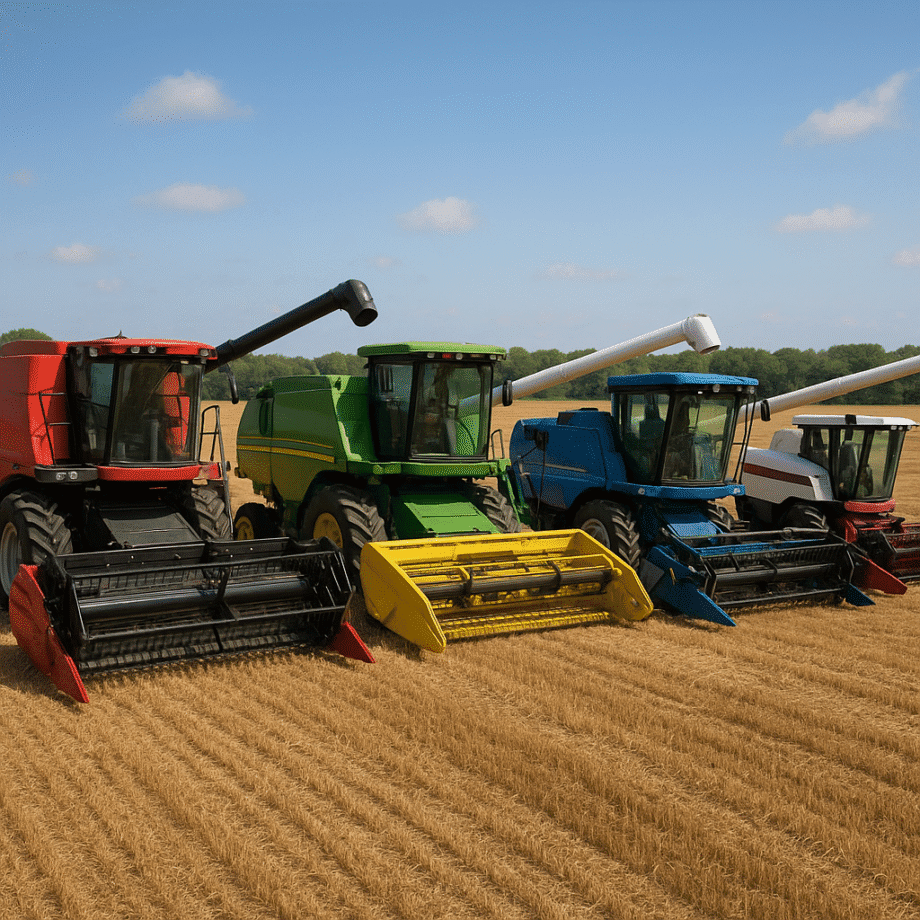
The Top Compact Harvesters for Small Farms have revolutionized the way growers manage limited acreage, combining agility with powerful performance. Selecting the right machine can dramatically boost efficiency, reduce labor demands, and optimize yield quality. This guide explores key benefits, leading models, essential features, maintenance tips, and emerging trends that define the next generation of small-scale harvesting equipment.
Importance of Compact Harvesters for Small Farms
Small farms face unique challenges: often irregular field shapes, narrow access routes, and tighter budgets. A compact harvester addresses these constraints by delivering high productivity in confined spaces. Unlike their full-size counterparts, compact harvesters excel in maneuverability, letting farmers navigate between fruit trees, vegetable rows, or terraced plots without sacrificing yield quality.
Moreover, these machines offer lower fuel consumption and maintenance costs, making them a cost-effectiveness champion. With rising input prices and labor shortages, the ability to harvest more acres per hour while minimizing overhead can make the difference between profit and loss. Enhanced grain-handling systems and crop-specific attachments further expand their versatility across cereals, legumes, and specialty crops.
- Reduced Soil Compaction: Narrower wheelbases and lighter weight protect soil structure and maintain long-term fertility.
- Faster Turnaround Times: Quick transitions between fields and minimal setup reduce downtime.
- Adaptability: Convertible headers and adjustable settings fit diverse crop types and conditions.
Leading Models of Compact Harvesters
Several manufacturers have developed top-tier machines designed to meet small-farm needs:
Model GreenMax 250
- Engine: 95 hp turbocharged diesel for consistent durability
- Header Width: 10 to 16 feet with quick-swap system
- Grain Tank: 200 bushels, auto-unload auger
- Features: GPS guidance, touchscreen display, heated cab
Farmers praise its robust build and easy serviceability. The GreenMax 250 offers precision steering that excels in tight orchards and rotating plots.
Model HarvestPro X1
- Engine: 80 hp efficient four-cylinder
- Header Width: 8 to 14 feet, hydraulic tilt
- Grain Tank: 180 bushels, variable flow fan
- Features: Real-time yield mapping, automatic header height control
HarvestPro X1 stands out for its innovation in yield-monitoring technology. The system logs moisture and throughput data for each field, enabling farmers to fine-tune next season’s planting and fertilization.
Model MiniHarvest Elite
- Engine: 70 hp compact diesel with low emissions
- Header Width: 6 to 12 feet, quick-release coupling
- Grain Tank: 150 bushels, side-discharge spout
- Features: Foldable straw spreader, eco-mode operation
Ideal for organic and specialty producers, the MiniHarvest Elite excels in narrow rows and sensitive terrain. Its lightweight chassis ensures minimal crop damage while delivering consistent throughput.
Key Features to Look For
When evaluating options, keep these critical attributes in mind:
- Engine Power: Balance horsepower with fuel economy. Overpowered machines add weight and cost without tangible gains on small plots.
- Header Versatility: Look for adjustable widths and quick-attach mechanisms to handle different crops efficiently.
- Harvesting Efficiency: Features like automated sieve adjustments, threshing concaves, and fan speed control reduce grain loss under varying conditions.
- Operator Comfort: Ergonomic cab designs, air suspension seats, and climate control help maintain focus during long harvest windows.
- Digital Integration: GPS-assisted steering, yield mapping, and mobile connectivity support data-driven decisions and remote diagnostics.
- Traction and Tires: Flotation tires or tracks distribute weight evenly, enabling operation on wet or uneven ground without rutting.
- Maintenance Accessibility: Tool-free service panels and centralized grease points accelerate routine checks and reduce downtime.
Maintenance and Best Practices
Regular upkeep ensures peak performance and longevity for any agricultural machine. For compact harvesters, following a structured maintenance schedule is essential:
- Daily Checks: Inspect belts, chains, and belts tension. Verify oil and coolant levels.
- Weekly Tasks: Clean air filters, inspect hydraulic hoses for leaks, and test electronic sensor calibration.
- Seasonal Overhaul: Replace worn bearings, reseal leaking gaskets, and perform fuel system cleaning.
- Off-Season Storage: Apply protective coatings to exposed metal, disconnect batteries, and store in covered facilities.
Leveraging manufacturer-recommended lubricants and genuine parts contributes to reliability. Additionally, training operators on proper unloading speeds, header height, and fan control can reduce wear and maximize yield extraction.
Future Trends in Compact Harvesting Technology
Innovation continues to transform the small-farm landscape. Emerging trends promise even greater returns for growers:
- Autonomous Guidance Systems: Full-auto harvesting robots equipped with LiDAR and AI-driven crop recognition.
- Electric and Hybrid Powertrains: Quieter operation, zero-emission fields, and lower operating costs.
- Modular Attachments: Snap-on modules for multi-crop harvesting, baling, and planting with a single chassis.
- Enhanced Data Analytics: Cloud-based platforms that integrate soil maps, weather forecasts, and market pricing for optimal harvest timing.
- Advanced Materials: Lightweight composites and corrosion-resistant alloys to reduce weight and enhance sustainability.
As small-scale farming evolves, the synergy between technology and traditional practices will define the next era of compact harvesters, delivering both yield gains and environmental benefits.