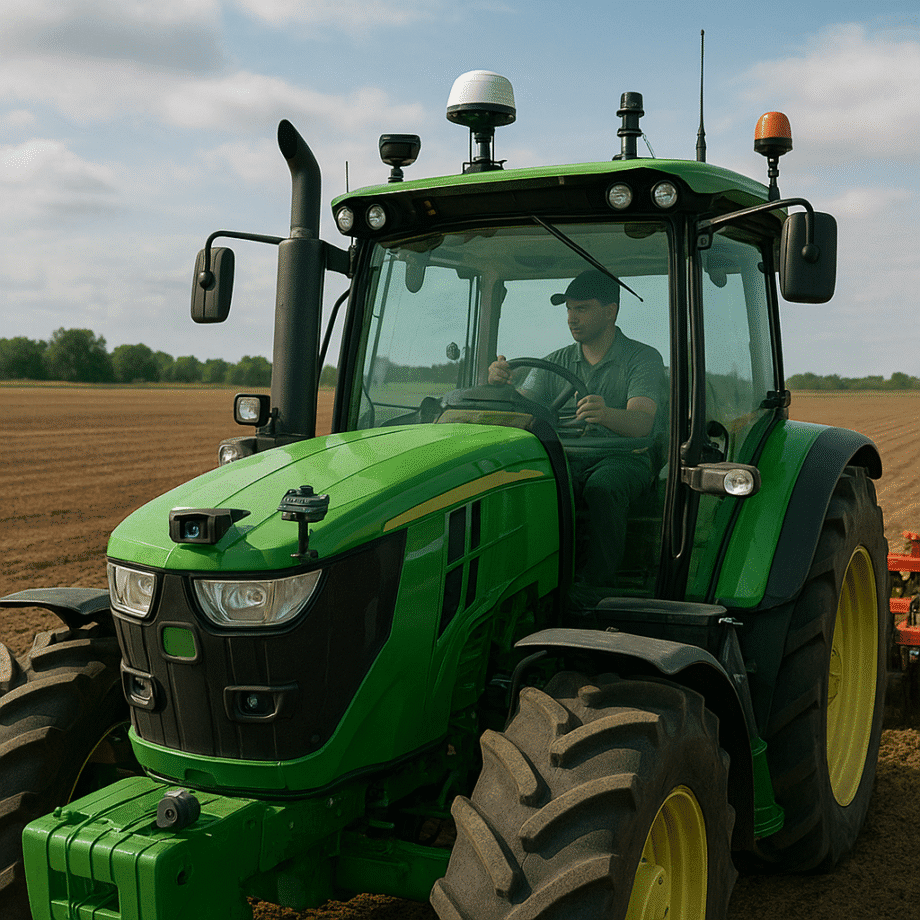
Modern agriculture has entered an era where advanced machinery relies heavily on embedded sensors to optimize operations, conserve resources, and boost crop yields. These intelligent devices capture a variety of environmental and machine parameters, transforming raw data into actionable insights. As farms expand and labor becomes scarcer, smart technologies are reshaping how equipment functions in fields around the world.
Evolution of Farm Equipment and Sensor Adoption
The transformation from basic mechanical plows to sophisticated combines equipped with onboard electronics marks a remarkable journey in farming history. Early mechanization focused on horsepower and durability, aiming to reduce manual labor. With the introduction of global positioning systems in the 1990s, agricultural machines began to incorporate geospatial awareness. This paved the way for modern implements to carry an array of sensors that monitor a multitude of variables—soil moisture, nutrient levels, canopy health, and machinery performance.
Key milestones in this evolution include:
- Integration of GPS receivers for mapping and auto-steering capabilities
- Deployment of yield monitors on harvesters to record production rates
- Introduction of variable-rate technology (VRT) to adjust inputs in real time
- Implementation of telematics modules for remote diagnostics and fleet management
Through these advances, farmers gained the means to transition from uniform input applications to a more precise approach. Today’s machinery combines robust mechanical design with embedded electronics, enabling equipment to adapt swiftly to changing soil and weather conditions.
Types of Sensors and Core Functions
Agricultural machinery integrates a wide spectrum of sensing devices, each serving a specific purpose. Understanding these sensor categories is crucial for maximizing the benefits of modern equipment:
- Soil Moisture Sensors: Measure volumetric water content to guide irrigation schedules and prevent overwatering.
- Optical and Multispectral Sensors: Detect plant health indicators such as chlorophyll concentration, enabling early stress detection.
- Global Navigation Satellite System (GNSS) Modules: Provide centimeter-level positioning for auto-guidance and field mapping.
- LiDAR and Ultrasonic Sensors: Map terrain contours and obstacle proximity for guided machinery movement.
- Temperature and Humidity Sensors: Monitor ambient conditions inside greenhouses or storage silos.
- Pressure and Flow Sensors: Track hydraulic systems and fertilizer injectors to ensure correct application rates.
Combining these elements allows a single piece of equipment, such as a self-propelled sprayer, to assess soil variability, adjust chemical doses on the go, and maintain efficiency in every pass. Real-time sensor feedback often triggers automatic control loops, ensuring operations stay within optimal thresholds without constant human intervention.
Enabling Precision Agriculture and Environmental Stewardship
Sensors lay the groundwork for an era of sustainability in agriculture. By delivering granular data at the row or even plant level, they empower producers to:
- Apply fertilizers and pesticides only where needed, reducing chemical runoff.
- Optimize water usage by irrigating zones based on actual moisture requirements.
- Create detailed yield maps that highlight high- and low-performing areas for targeted improvement.
- Monitor crop emergence and growth stages to schedule field operations more effectively.
- Minimize soil compaction by selecting optimal traffic patterns guided by load sensors and GNSS.
These practices contribute to healthier ecosystems, lower input costs, and enhanced profitability. Ultimately, sensor-driven workflows support regenerative farming techniques by preserving soil structure, encouraging biodiversity, and curbing greenhouse gas emissions. Such data-centric approaches are reshaping land management towards a more resilient agricultural system capable of meeting future food demands.
Data Management, Connectivity, and Future Trajectories
While sensors generate vast quantities of information, turning that raw data into meaningful strategies presents its own set of challenges. Effective implementation demands robust connectivity solutions—ranging from cellular networks and satellite links to private LoRaWAN setups—to stream data off-field in real time. Once collected, advanced data analytics and cloud platforms perform the heavy lifting: aggregating sensor outputs, applying machine learning models, and delivering intuitive dashboards.
Key considerations for successful deployment include:
- Ensuring interoperability between equipment brands via standard protocols (e.g., ISOBUS).
- Securing data integrity and privacy as valuable agronomic records traverse public networks.
- Training operators and agronomists to interpret sensor insights and adapt management plans accordingly.
- Investing in on-board edge computing to process critical alerts even when connectivity is intermittent.
Looking ahead, agriculture will witness deeper integration of artificial intelligence, robotics, and Internet of Things (IoT) architectures. Autonomous vehicles—guided by a collaboration of cameras, radar, and environmental sensors—will handle seeding, weeding, and harvesting tasks with minimal human oversight. Drone fleets will complement ground machines, feeding aerial imagery into unified platforms that refine input prescriptions on the fly. The synergy among these technologies promises to enhance overall farm automation and yield optimization, while contributing to global food security.