Tractor tires are a critical component of any agricultural operation, directly influencing field productivity, equipment longevity, and operator safety. Proper tire care goes beyond simple inflation checks; it requires a systematic approach encompassing inspection, repair, and adoption of cutting-edge technologies. This article explores the multifaceted importance of tire maintenance for tractors, delving into practical methods, emerging innovations, and the broad-ranging benefits of diligent upkeep.
The Role of Tractor Tires in Farm Efficiency
Traction and Performance
Effective traction is the foundation of every field operation. Tractor tires transfer engine power into ground movement, enabling plowing, planting, and harvesting. Worn or improperly inflated tires can slip under load, causing uneven furrows, stalled equipment, and wasted fuel. Maintaining optimal traction ensures that the tractor can operate at ideal speeds, complete tasks quickly, and minimize soil disturbance.
Soil Compaction and Crop Health
Excessive soil compaction reduces pore space, limits root growth, and impedes water infiltration—resulting in lower yields. Well-maintained tires help distribute weight evenly, preventing deep ruts and preserving soil structure. Choosing the right tire width and pressure settings for specific field conditions or crop rotations minimizes long-term damage and enhances overall farm sustainability.
Key Maintenance Practices for Tractor Tires
- Regular Inspections: Daily visual checks identify cracks, cuts, and embedded debris. Look for uneven wear patterns indicating alignment issues or underinflation.
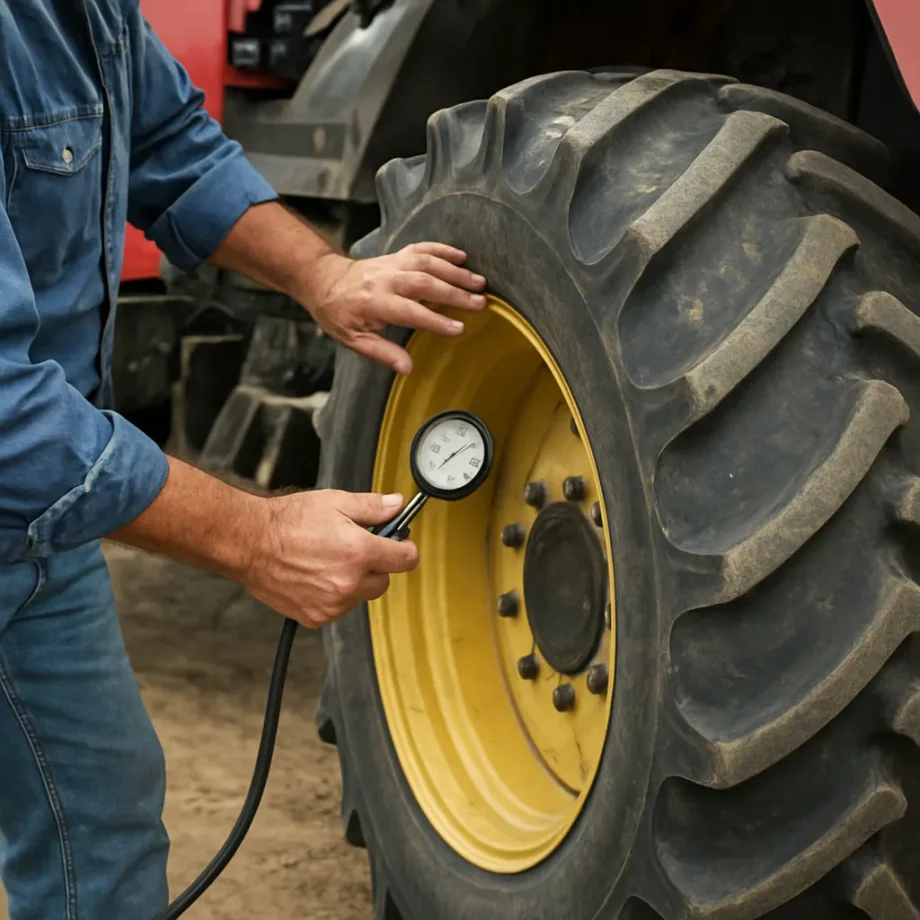
- Inflation and Pressure Checks: Correct inflation is crucial. Underinflated tires cause higher fuel consumption and rapid wear; overinflation reduces the contact patch, compromising grip. Use a reliable gauge and adjust pressure based on load, speed, and field conditions.
- Tread Depth Monitoring: Adequate tread depth maintains grip and self-cleaning properties. Measure depth monthly and replace tires before performance falls below safe thresholds.
- Cleaning and Debris Removal: Mud and crop residue lodged in treads can unbalance tires and accelerate wear. Routine cleaning prevents buildup and maintains consistent performance.
- Rotation and Alignment: Rotating drive and implement tires ensures even wear. Proper wheel alignment reduces sidewall stress, extends tire life, and enhances productivity.
- Repair and Patch Services: Promptly address punctures with professional repair kits or specialized vulcanization techniques. Ignoring small damages can lead to blowouts or irreversible structural failure.
Inflation and Pressure Checks
Monitoring tire pressure is more than a mechanical chore; it directly impacts fuel economy and traction. Advanced farmers use portable inflation stations or on-board compressors to adapt pressure on the go. Pressure adjustments for varying loads and terrains can increase haul capacity by up to 20% while reducing soil compaction.
Inspection and Damage Repair
Incidents like running over sharp objects are inevitable. A quick visual inspection helps spot early signs of damage. For minor cuts or punctures, a quality patch restores tire integrity. Severe sidewall injuries, however, require immediate replacement to maintain operator safety and prevent catastrophic failures that can harm equipment.
Advanced Technologies and Innovations in Tire Care
Smart Sensors and IoT Integration
The advent of tire-mounted sensors has revolutionized maintenance routines. These devices relay real-time data on pressure, temperature, and load to a central dashboard. Farmers can set custom alerts for deviations, scheduling service before a failure occurs. Integration with GPS and farm management software enables predictive analytics, optimizing field operations and equipment allocation.
New Materials and Designs
Modern tires incorporate advanced compounds and reinforced belts for enhanced durability. Radial and bias-ply hybrids offer both strong sidewalls and flexible footprints. Some manufacturers are experimenting with graphene-infused treads for superior wear resistance. The result is a tire capable of withstanding harsh field conditions and extended service intervals without sacrificing performance.
Environmental and Economic Benefits of Proper Tire Maintenance
- Fuel Savings: Well-maintained tires reduce rolling resistance, cutting diesel consumption by up to 15%. This lowers operational costs and carbon emissions.
- Extended Lifespan: Regular upkeep can add hundreds of operating hours to a tire’s life, delaying expensive replacements and spreading capital expenditure over a longer period.
- Reduced Downtime: Predictive maintenance and early damage detection prevent unscheduled stops during critical planting or harvesting windows.
- Sustainability: By minimizing soil damage and fuel use, farms adhere to environmental regulations and demonstrate responsible stewardship of natural resources.
- Enhanced Safety: Properly maintained tires ensure stable handling on slopes and in wet conditions, protecting operators and reducing liability risks.
Cost-Effectiveness in Equipment Management
Although investing in advanced sensor systems or premium tire compounds may seem costly, the return on investment manifests through lower maintenance bills, improved yield consistency, and reduced fuel expenses. A comprehensive tire program aligns with broader farm management goals, driving both short-term savings and long-term profitability.