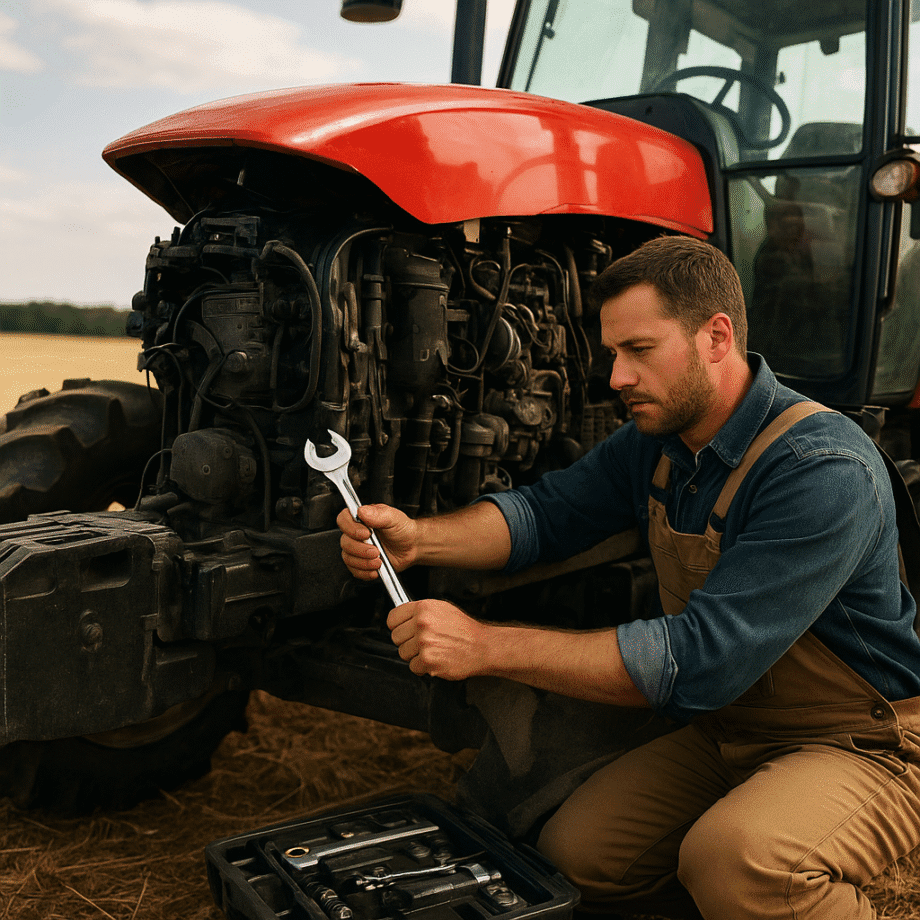
Maintaining a fleet of tractors, combines, and other agricultural machinery demands a structured approach to preventive maintenance. By scheduling regular inspections, oil changes, and component checks, farmers can ensure that their equipment remains in peak working condition. Consistent care not only protects valuable assets but also delivers long-term benefits in terms of reliability, performance, and overall farm productivity.
Importance of Reliability through Preventive Maintenance
Ensuring reliability in farm machinery is crucial for avoiding unexpected breakdowns during planting and harvest seasons. When equipment fails at critical moments, the consequences can be severe, ranging from delayed operations to lost crops. Preventive maintenance involves monitoring wear and tear, replacing components before they fail, and keeping detailed service records. By doing so, farm managers can:
- Reduce risk of sudden downtime during peak workload periods
- Increase confidence in equipment readiness for long hours in the field
- Identify potential failures early, minimizing the need for expensive emergency repairs
Regular inspections of hydraulic systems, cooling systems, and drivetrain components help maintain consistent performance. Employing condition-monitoring tools such as vibration analysis or oil sampling further enhances the ability to detect developing faults before they cause major damage.
Key Components of an Effective Maintenance Plan
An efficient maintenance program is built on well-defined procedures and documentation. Core elements include:
- Scheduled Servicing: Establish intervals for oil changes, filter replacements, and lubrication based on manufacturer guidelines and machine hours.
- Inspection Checklists: Use standardized forms to verify the condition of belts, hoses, electrical connections, and tire pressures.
- Record Keeping: Maintain logs of maintenance actions, parts replacements, and operating hours to track trends and anticipate future needs.
- Qualified Technicians: Ensure that farm staff or contracted mechanics receive proper training and follow safety protocols during service tasks.
Integrating technology such as farm management software enables real-time tracking of maintenance schedules, parts inventory, and service alerts. A digital approach provides visibility into upcoming tasks and supports data-driven decisions about equipment replacement or upgrades.
Impact on Operational Costs and Productivity
Preventive maintenance offers significant cost-effectiveness by lowering the total cost of ownership over the life cycle of machinery. Key economic benefits include:
- Fewer emergency repairs that often carry premium labor and expedited shipping fees
- Extended service intervals that maximize the useful life of components
- Better fuel economy through optimized engine performance
- Increased resale value of well-maintained equipment
By planning maintenance during off-peak periods, farmers avoid the costly downtime associated with field operations. A proactive strategy ensures that equipment is ready when needed most, directly contributing to higher productivity and more efficient use of labor resources.
Environmental and Sustainability Benefits
Regular upkeep of agricultural machinery not only supports farm profitability but also aligns with sustainable practices. Well-tuned engines emit fewer pollutants, and properly inflated tires reduce soil compaction, preserving soil health and crop yields. Preventive maintenance contributes to:
- Lower greenhouse gas emissions through improved combustion efficiency
- Reduced risk of fluid leaks, which can contaminate nearby waterways
- Minimized waste of lubricants and filters by avoiding catastrophic equipment failures
Farmers increasingly adopt precision agriculture and data-driven methods to fine-tune operations. Combining these innovations with well-maintained machinery ensures each field pass uses minimal inputs—fuel, chemicals, and labor—thereby promoting long-term sustainability of the farm ecosystem.
Common Challenges and Best Practices
Implementing a preventive maintenance program on the farm involves overcoming logistical and resource constraints. Common obstacles include shortage of skilled labor, variability in workload, and budget limitations. To address these issues, consider the following best practices:
- Prioritization: Focus first on critical assets whose failure would halt production, such as combines during harvest.
- Cross-Training: Equip multiple team members with basic maintenance skills to spread expertise and reduce reliance on external technicians.
- Inventory Management: Keep a balanced stock of frequently replaced parts like belts, filters, and seals to avoid service delays.
- Flexible Scheduling: Align maintenance windows with natural downtime periods—post-harvest or pre-planting—to maximize machine availability when fieldwork begins.
- Vendor Support: Leverage manufacturer service contracts or local dealer programs for complex repairs and warranty-covered components.
By embedding preventive maintenance into daily routines and leveraging available resources, farmers can sustain a high level of operational readiness. This proactive mindset transforms agricultural machinery from a potential liability into a reliable partner, driving consistent performance season after season.