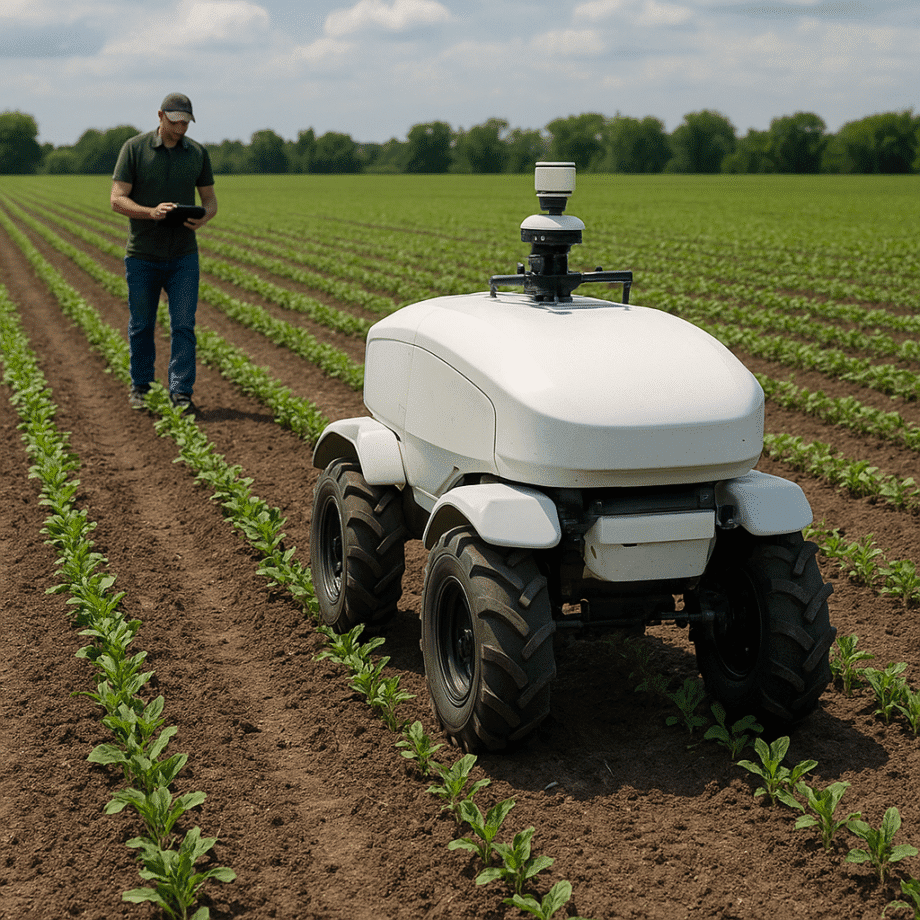
The adoption of autonomous robots in agriculture marks a significant shift toward more sustainable and precise farm management. From specialized weeding machines to high-tech seeding platforms, these solutions leverage advanced AI algorithms and cutting-edge sensors to optimize field operations. By minimizing manual labor and resource waste, autonomous systems drive greater efficiency and foster environmentally friendly practices. This article explores how robotic technology is transforming weeding and seeding tasks, examines the core components that power these machines, and considers both the benefits and challenges facing growers seeking to adopt these innovations.
Integration of Autonomous Robots in Weeding Operations
Modern farms face growing pressure to maintain high yields while reducing chemical inputs. Autonomous weeding robots offer a compelling answer by combining precision control with real-time decision-making. Equipped with computer vision, these robots traverse crop rows, distinguish weeds from target plants, and execute mechanical or targeted herbicide applications in a single pass. By focusing treatment only where needed, farmers can significantly reduce overall herbicide use and mitigate environmental impact.
Key Features of Robotic Weeders
- Advanced machine vision systems that identify weed species and size.
- GPS-based path planning for consistent coverage and obstacle avoidance.
- High-torque actuators and precision implements for mechanical hoeing or flame weeding.
- Data logging capabilities to record weed density and spatial distribution.
One prominent example is an autonomous weeding platform that uses stereo cameras and deep learning to pinpoint broadleaf and grass weeds at early growth stages. The onboard computer analyzes imagery at up to 20 frames per second, directing micro-tools to uproot or cut unwanted plants without disturbing adjacent crops. Beyond decreasing labor costs, these robots collect valuable agronomic data, enabling farmers to refine future weed management plans.
Advancements in Seeding with Autonomous Machinery
Precision seeding is critical for optimizing plant population, nutrient uptake, and yield potential. Autonomous seeding robots enhance traditional planters by integrating variable-rate technology and real-time field mapping. They ensure seeds are placed at exact depths and spacings while adjusting seeding rates in response to soil conditions and previous crop residue.
Operational Workflow of Seeding Robots
- Pre-plant soil analysis using ground-penetrating radar or conductivity sensors.
- Creation of detailed field maps highlighting moisture variability and compaction zones.
- Automated calibration of seed metering units via data analytics to maintain consistent seed singulation.
- In-field monitoring with onboard sensors that verify seed depth and population in real time.
During operation, a seeding robot follows a pre-programmed route informed by GPS waypoints and 3D terrain models. If the system detects a cluster of heavy residue that may obstruct seed placement, it automatically compensates by increasing downforce or adjusting planting speed. This adaptability improves uniformity, reduces seed waste, and supports higher stands in challenging field conditions.
Technological Components and Innovations
At the heart of autonomous agricultural robots lie multiple technological domains working in concert. Cutting-edge robotics combine with robust communication networks, advanced sensor arrays, and powerful onboard computing to deliver intelligent farm machinery that operates with minimal human intervention.
Core Technologies
- GPS and RTK positioning for centimeter-level accuracy.
- LiDAR and ultrasonic sensors for obstacle detection and terrain profiling.
- Edge computing units that run complex AI models locally to reduce latency.
- Cloud connectivity for remote monitoring, software updates, and fleet coordination.
These technological underpinnings enable features such as adaptive learning, where robots refine their algorithms based on each pass through the field. For instance, a weeding robot might adjust its recognition parameters after encountering new weed variants, improving accuracy in future operations. Similarly, seeding robots utilize historical yield data to tweak planting densities across different field zones, maximizing resource use efficiency.
Benefits and Challenges of Adoption
Deploying autonomous robots offers multiple advantages. Key benefits include:
- Labor savings as machines handle repetitive tasks without fatigue.
- Reduced chemical usage, promoting sustainability and protecting soil health.
- Enhanced field coverage, enabling operations during optimal weather windows.
- Continuous data collection, supporting informed management decisions.
However, growers must address several challenges before realizing these gains. Initial capital investment for robotic platforms can be substantial, and ensuring a reliable power source—whether battery or hybrid—remains critical. Integrating robots into existing farm management systems requires robust IT infrastructure, and many operators need training to maintain and troubleshoot advanced equipment. Furthermore, regulatory frameworks for autonomous field machinery are still evolving, necessitating careful compliance planning.
Future Trends and Industry Impact
The trajectory of autonomous agriculture is set toward greater interconnectivity and cooperative operations. Emerging concepts such as swarm robotics envision fleets of small, specialized machines working in harmony. By coordinating tasks like precision spraying, weeding, and seeding simultaneously, these robotic swarms can complete full-season operations more quickly and with less soil compaction than large tractors.
Next-Generation Innovations
- Integration of ground robots with aerial drones for synchronized scouting and intervention.
- Self-charging docking stations powered by renewable energy for continuous operation.
- Enhanced AI models capable of predictive diagnostics and equipment maintenance forecasting.
- Open platforms that foster collaboration between manufacturers, agronomists, and software developers.
As these technologies mature, the agricultural machinery landscape will shift toward modular, upgradable systems. Farmers will subscribe to service-based models, accessing the latest autonomous tools without bearing the full ownership burden. This democratization of high-end robotics promises to benefit operations of all scales, helping feed a growing population while preserving natural resources.
Ultimately, the integration of autonomous robots for weeding and seeding is reshaping modern agriculture. By harnessing advanced integration of hardware and software, growers achieve remarkable gains in productivity and environmental stewardship. Continued innovation and collaboration among stakeholders will ensure that these robotic systems become indispensable assets for sustainable farming worldwide.