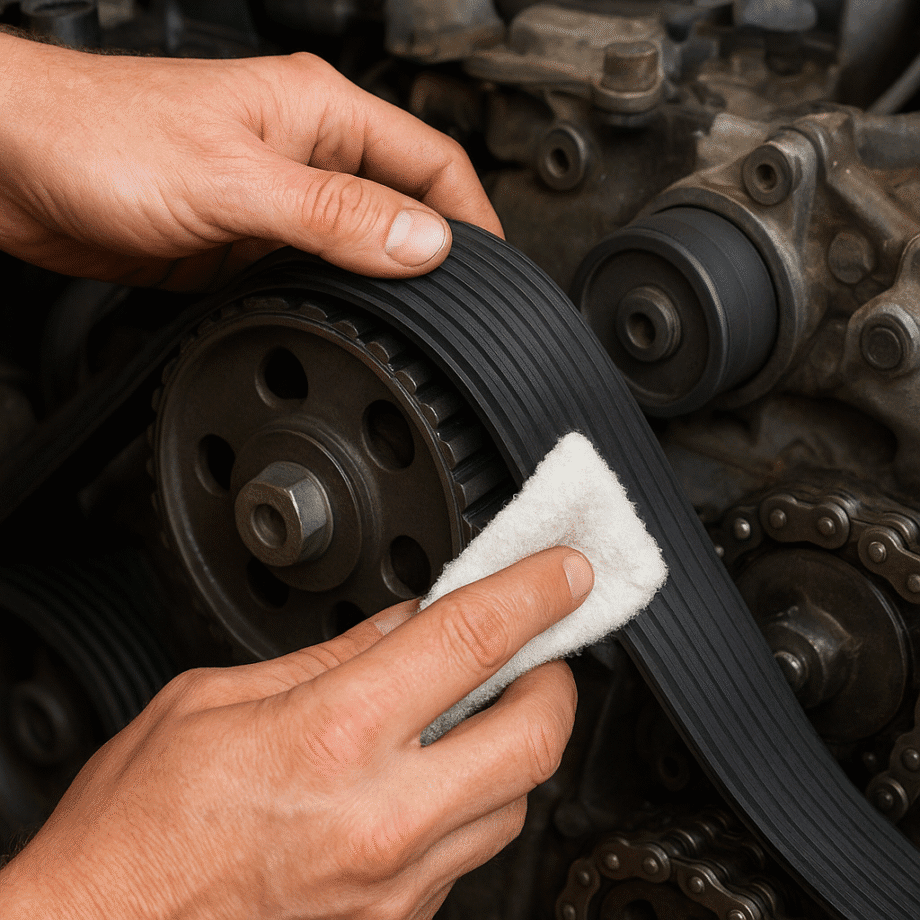
Proper maintenance of agricultural machinery relies heavily on the condition of belts and chains. These critical components transmit power throughout equipment such as combines, balers, and tractors. By focusing on strategies to extend the lifespan of belts and chains, farmers can reduce downtime, lower costs, and improve overall productivity. In this article, you will discover practical advice on inspection routines, material selection, environmental care, and troubleshooting techniques designed specifically for the rigors of the field.
Maintenance Best Practices
Routine Inspection
Regular inspection is the first line of defense against premature failure. A comprehensive visual check before each use can spot early signs of damage:
- Look for fraying edges or cracks on belts.
- Check for elongation, rust, or missing rollers on chains.
- Verify proper engagement between sprockets and links.
- Assess any unusual noise or vibration during operation.
Proper Tensioning
Maintaining correct tension prevents slippage and uneven wear. Overly tight belts can strain bearings, while loose chains can derail or skip teeth. Follow these guidelines:
- Refer to the manufacturer’s specifications for deflection measurements.
- Use a calibrated tension gauge for accurate readings.
- Recheck tension after the initial run-in period and adjust as needed.
Effective Lubrication
Friction is the enemy of long-term durability. A targeted lubrication program keeps surfaces moving smoothly and reduces heat buildup:
- Select lubricants with anti-wear and corrosion inhibitors.
- Apply at regular intervals, especially in dusty or wet conditions.
- Wipe away debris before lubrication to prevent abrasive particles from embedding.
Material Selection and Upgrades
Choosing the Right Belt Type
Modern belts come in various constructions—V-belts, timing belts, and flat belts. Each offers distinct advantages:
- V-belts deliver high power transmission in compact drives.
- Timing belts maintain synchronous motion with minimal slippage.
- Flat belts provide a wide contact surface for gentle power transfer.
Evaluate application speed, load, and environmental exposure before selecting the ideal design.
Advanced Chain Grades
Chains manufactured from specialized alloys can withstand higher loads and resist corrosion. When upgrading:
- Consider stainless steel chains for wet or acidic environments.
- Opt for hardened pins and rollers to combat wear.
- Look for coatings such as nickel or zinc plating for extra protection.
Component Compatibility
Upgrading one part often demands matching peripheral components:
- Ensure sprocket pitch matches chain link dimensions exactly.
- Verify pulley crown profiles align with belt cross-sections.
- Check that tensioners and guides are rated for new materials.
Environmental and Operational Considerations
Temperature Extremes
Heat accelerates belt aging, while cold can make materials brittle. Combat thermal stress by:
- Installing heat shields near exhaust or hydraulic lines.
- Allowing driven systems to warm up at moderate speeds before full load.
- Using cold-resistant belts in sub-zero regions to retain flexibility.
Contaminant Control
Dust, mud, and crop debris can embed in links and grooves, abrading surfaces. Best practices include:
- Fitting guards and covers where feasible.
- Blowing off equipment daily with low-pressure air.
- Washing components with suitable solvents, then reapplying lubrication.
Load Management
Overloading machinery drastically shortens component life. To keep loads within safe limits:
- Distribute material evenly in hoppers and bins.
- Operate at recommended speeds to avoid shock loading.
- Engage power take-off systems gradually rather than abruptly.
Monitoring and Troubleshooting
Wear Pattern Analysis
Routine measurement of belt thickness and chain elongation reveals hidden problems:
- Use a caliper or specialized chain gauge for precise data.
- Correlate wear rates with operating hours to schedule replacements.
- Document trends to predict future maintenance windows.
Vibration and Noise Diagnostics
Unusual sounds often precede catastrophic failure. Implement these simple checks:
- Listen for squealing belts indicating low tension or glazing.
- Detect rattling chains that may have loose guide plates.
- Employ a handheld vibration meter to identify misalignment or imbalance.
Precision Alignment Techniques
Misaligned drives accelerate edge wear and tooth breakage. Steps for precise alignment include:
- Mark pulley and sprocket centers, then measure offset with a straightedge.
- Use laser alignment tools for faster, more accurate results.
- Tighten fasteners in a crossing pattern to prevent shifting during torqueing.
Record-Keeping and Analytics
Data-driven maintenance allows for continuous improvement. Maintain logs of:
- Date and duration of each inspection.
- Replacements, adjustments, and lubrication intervals.
- Failure modes and corrective actions taken.
By analyzing this information, it’s possible to refine practices and further enhance the durability of critical components.