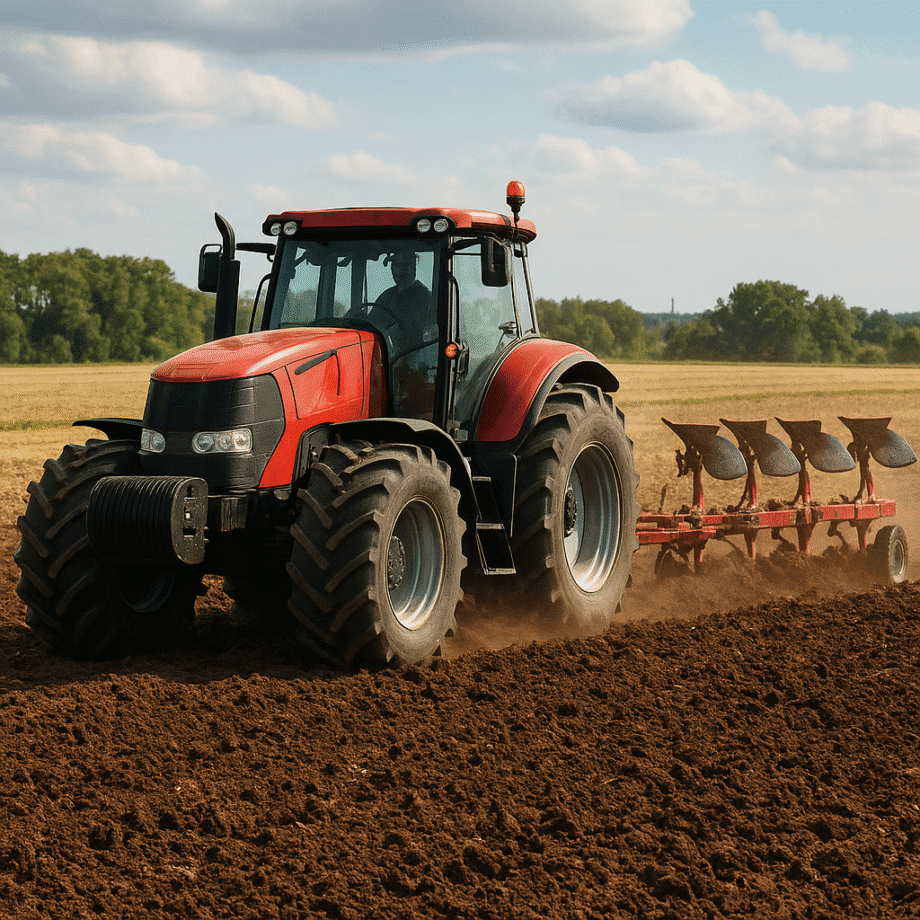
Improving the performance of agricultural machinery not only reduces operating costs but also contributes to more sustainable and responsible land management. In large-scale operations, even marginal gains in fuel economy can translate to substantial savings over a season. This article explores practical strategies, cutting-edge technologies, and best practices for enhancing the efficiency of tractors, combines, sprayers, and other pieces of heavy farm equipment.
Optimizing Engine Performance
Proper engine health is critical to extracting maximum power with minimum consumption. Farmers and technicians can implement these steps to boost engine performance:
- Regularly service air and fuel filters. Clogged filters force the engine to work harder and increase fuel burn.
- Use manufacturer-approved synthetic oils and lubricants to reduce friction and maintain consistent viscosity at varying temperatures.
- Calibrate fuel injectors and maintain correct injection timing. Modern common-rail systems rely on precise calibration for optimal combustion.
- Inspect turbochargers and intercoolers for leaks or blockages. A well-functioning turbocharger improves air intake pressure and overall efficiency.
- Leverage onboard diagnostics to monitor cylinder balance, exhaust gas temperature, and intake manifold pressure. Early detection of anomalies prevents wasted fuel and unexpected downtime.
Routine Checkups and Fluid Analysis
Maintaining a strict schedule for oil sampling and coolant condition tests enables preemptive action before small issues escalate. This approach aligns with the principles of sustainable agriculture by extending component life and reducing resource waste.
Implementing Advanced Technologies
Technological innovation plays a pivotal role in maximizing output while minimizing inputs. Cutting-edge systems provide real-time data and automation to fine-tune operations:
- GPS guidance and auto-steer systems minimize overlap during field passes, reducing duplicate coverage and saving both time and fuel.
- Variable rate application controls seeding, fertilizing, and spraying in response to soil variability. Such precision farming reduces unnecessary product use and engine load.
- Telematics platforms collect data on speed, engine load, idling time, and fuel consumption. Managers can analyze trends to adjust field schedules or equipment settings.
- Hybrid drivetrains and dual-mode engines allow equipment to switch between diesel and electric power, cutting fuel burn during low-load operations.
- Implementing real-time flow meters and pressure sensors for hydraulic systems prevents excessive horsepower demand from pumps.
Variable Rate Application and Data Integration
By combining soil sensors, yield maps, and weather forecasts, operators can execute variable rate application strategies that place inputs precisely where needed, lowering overall tractor work and fuel consumption.
Enhancing Operator Skills and Practices
Even the most advanced machinery cannot compensate for inefficient field techniques. Investing in thorough operator training can yield immediate fuel savings and safer operations:
- Train operators to recognize optimal engine rpm ranges and avoid high-rpm driving when loads are light.
- Encourage planning of field passes to minimize sharp turns and repeated overlaps.
- Implement policies to limit engine idling: use auto-shutoff features or encourage shutting down during prolonged stops.
- Teach proper hitching and weight distribution. Balanced loads reduce traction loss and slippage in the field.
- Emphasize correct tire selection and inflation. Reduced rolling resistance translates to lower drawbar power demands.
Simulation and Virtual Training
Simulation software can help operators practice fuel-efficient routines in a risk-free environment. This operator training method accelerates mastery of complex guidance systems and cultivates a deeper understanding of machinery dynamics.
Maintenance and Diagnostics
A comprehensive maintenance program ensures that every subsystem runs at peak efficiency. Key focus areas include:
- Hydraulic system checks: Replace worn hoses and maintain correct fluid viscosity to prevent power losses in pumps and valves.
- Driveline inspections: Monitor universal joints, gearboxes, and clutches. Worn components increase mechanical drag.
- Electrical system health: Weak batteries or corroded connections cause alternators and starter motors to work harder, affecting engine load.
- Cooling system performance: Ensure radiators are free of debris and coolant mixture ratios are correct to prevent overheating and detuned engine maps.
- Implement automatic greasing systems to maintain proper lubrication intervals on critical bearings and pivot points.
Proactive Fault Detection
Installing advanced sensor networks and leveraging Condition Monitoring Systems helps detect deviations in vibration, temperature, and pressure before they degrade efficiency. Early intervention can preserve peak fuel economy and reduce costly repairs.
Design and Aerodynamic Considerations
Less obvious but equally important are modifications and design tweaks that lower resistance and improve fluid flow:
- Install streamlined cab and chassis panels to reduce drag during road travel between fields.
- Use low-resistance tires or tracks with optimized lug angles to enhance traction while minimizing soil compaction.
- Add lightweight attachments or materials to reduce total system mass without sacrificing durability.
- Apply low-friction coatings to moving parts exposed to dust and debris, reducing abrasive wear and hydraulic power losses.
Hybrid and Alternative Fuel Systems
Exploring biodiesel blends, hydrogen dual-fuel conversions, or full electric modules can dramatically cut fossil fuel reliance. While initial costs may be higher, long-term savings and environmental benefits make these investments attractive within modern farming operations.
Integrating Precision Farming and Data Analytics
Linking farm management software with machinery telematics creates a virtuous cycle of continuous improvement. Key actions include:
- Collect detailed records of field passes, yield, and fuel consumption for each implement.
- Analyze data sets to identify high-consumption patterns linked to specific fields, implements, or operators.
- Use predictive models to forecast maintenance needs and schedule activities during off-peak seasons.
Continuous Improvement through Feedback Loops
By synthesizing agronomic data with machine performance metrics, farm managers can refine protocols and demonstrate real-world benefits of precision farming methods. This approach fosters a culture of efficiency and sustainability across the enterprise.