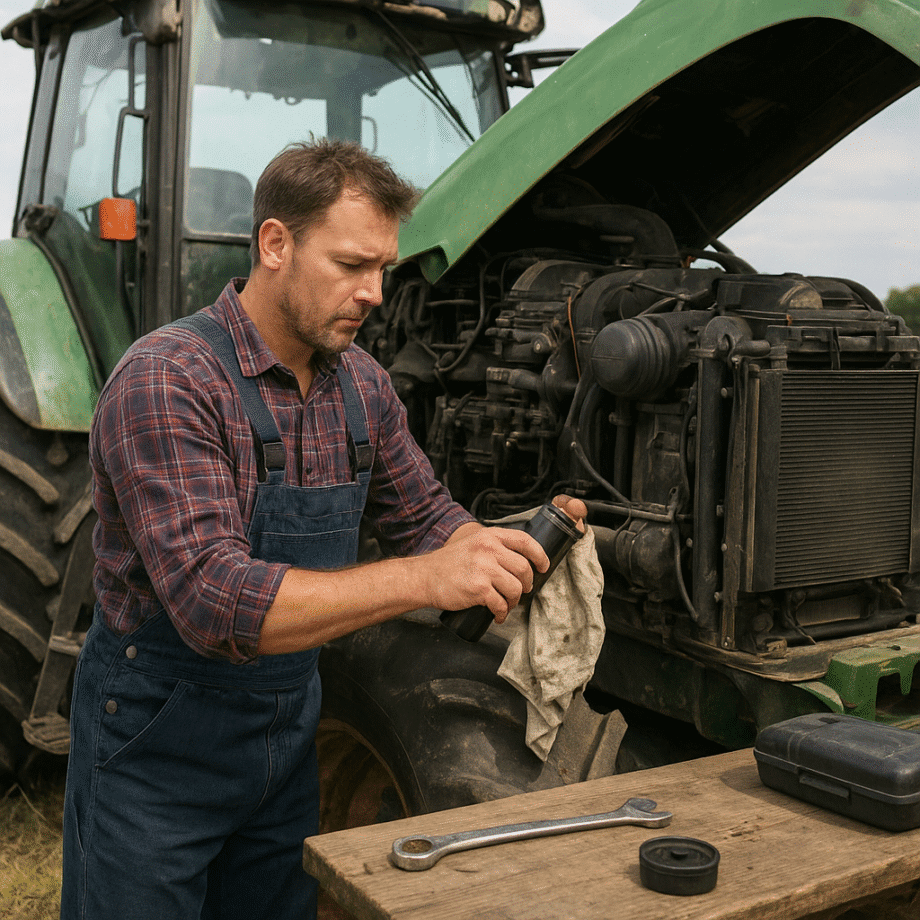
Agricultural machinery represents the backbone of modern farming, driving efficiency and boosting crop yields across the globe. Proper maintenance not only extends the lifespan of these complex machines but also optimizes performance, minimizes downtime, and reduces long-term costs. From robust tractors to intricate combine harvesters, each piece of equipment demands tailored attention. This article explores essential strategies to keep your fleet in top condition, focusing on lubrication, fluid checks, component inspections, and storage best practices. Armed with these guidelines, farmers and technicians can ensure that every piece of equipment remains reliable throughout the demanding agricultural cycles.
Engine Care and Fluid Management
A well-maintained engine serves as the heart of any agricultural vehicle. First, establish a routine for monitoring oil levels and quality. Contaminated or degraded oil can accelerate wear on pistons, bearings, and cylinders. Employ the right oil grade recommended by the manufacturer and prioritize regular oil changes. Equally important is filtration—replace oil, air, and fuel filters according to service intervals to prevent debris from entering critical passages. Inspect hoses and belts for cracks or fraying, as a sudden failure can lead to overheating or loss of power.
- Check oil level and color daily, topping up when necessary.
- Replace filters every 250–500 operating hours.
- Examine coolant (coolant) concentration to prevent freezing or boiling.
- Inspect radiator fins and clean off debris to maintain proper airflow.
Maintaining proper coolant mixture protects engine blocks and radiators from corrosion and thermal stress. Document all fluid changes and component replacements to identify trends and preempt potential failures.
Hydraulic Systems and Pressure Monitoring
Hydraulic circuits power implements such as loaders, backhoes, and planters. Even minor leaks or contamination can compromise lifting capacity and precision. Start by keeping the hydraulic reservoir at the recommended level and temperature. Use high-quality hydraulic fluid free from moisture and particulates. Change fluid and filter elements based on hours-of-use guidelines to maintain pump efficiency and valve responsiveness.
- Inspect hoses and fittings for signs of wear, kinks, or seepage.
- Test system pressure periodically with a gauge to detect drops or spikes.
- Bleed air pockets to avoid erratic cylinder movements.
- Chart hydraulic cylinder rod condition to catch pitting or scoring early.
Implementing a color-coded tagging system for hydraulic lines ensures correct reconnections after maintenance, reducing setup errors. Proper lubrication at pivot points further alleviates stress on seals and bearings, extending component life.
Tire, Track, and Undercarriage Maintenance
Ground-engaging components endure abrasive soils, stones, and uneven terrain. For wheeled machines, monitor tire pressure to prevent uneven wear and loss of traction. Overinflated tires risk blowouts, while underinflated ones increase rolling resistance and fuel consumption. Rotate tires as needed to equalize wear patterns. For tracked vehicles, inspect track tension and alignment regularly. Loose tracks can derail, whereas over-tightening speeds up bushing and roller deterioration.
- Measure tread depth monthly and replace excessively worn tires.
- Clean undercarriage assemblies to remove caked mud and stones.
- Inspect rollers, idlers, and sprockets for cracks or deformation.
- Adjust tension according to manufacturer’s torque and deflection specifications.
Maintaining the undercarriage not only preserves mobility but also protects drivetrain components from shock loads. Lubricate bearings and pivot points to fend off premature failures and ensure optimal ground contact.
Electrical Systems and Sensor Calibration
Advances in precision agriculture have integrated sensors, GPS guidance, and electronic controls into modern machines. Faulty wiring, corroded connectors, or misaligned sensors can derail automated planting and spraying operations. Begin each season by examining battery health and charge capacity. Clean terminals and secure connections to avoid voltage drops under load. Test alternator output to confirm charging system integrity.
- Scan fault codes with onboard diagnostics to pinpoint potential issues.
- Inspect harnesses for chafing near moving parts or sharp edges.
- Recalibrate guidance systems after software updates or hardware replacements.
- Ensure all harness clamps and grommets remain tight and intact.
Accurate calibration of spray nozzles, seed meters, and yield monitors ensures resource-efficient operations and consistent crop quality. Periodic software backups safeguard critical configuration settings.
Seasonal Storage and Off-Season Preservation
Proper winterization and off-season storage are crucial for machines that remain idle for extended periods. Begin by thoroughly cleaning all surfaces, removing crop residue, dirt, and corrosive fertilizers. Apply a thin coat of rust-inhibiting oil or grease to exposed metal components. Drain fuel tanks or add stabilizers to prevent varnish buildup in fuel lines and injectors.
- Change engine oil and hydraulic fluid before storage to trap contaminants in the old fluid.
- Protect tires and rubber hoses from ozone cracking by inflating to recommended pressure and using UV covers.
- Disconnect batteries and store them in a cool, dry location, charging them periodically.
- Cover machines with breathable tarps to keep moisture out while allowing condensation to escape.
Document storage procedures in a checklist to guarantee consistent application across all equipment. A well-preserved machine starts the next season with minimal reconditioning work, ensuring consistent farm productivity.