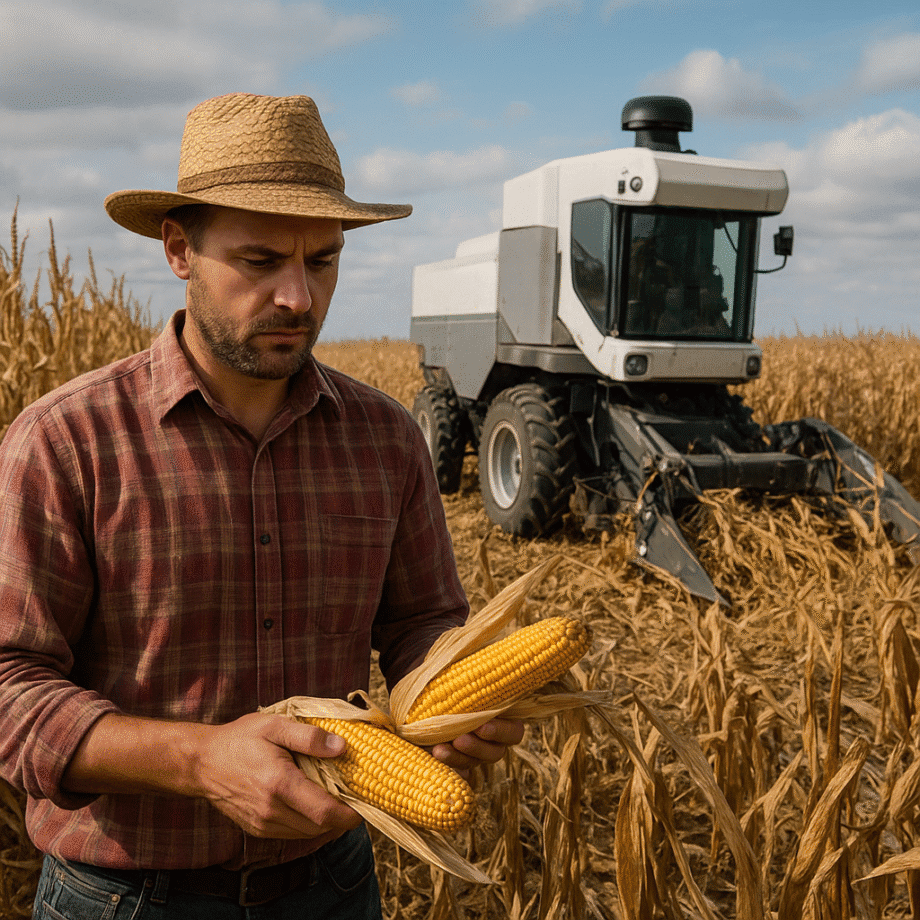
The introduction of advanced automation and sophisticated agricultural machinery has reshaped the landscape of modern farming. From planting seeds with pinpoint precision to harvesting crops with unmatched efficiency, these innovations have propelled the sector into a new era of productivity and sustainability. This article examines the multifaceted implications of mechanization on farm operations, explores emerging technologies, and considers the socio-economic and environmental outcomes of a highly automated agricultural system.
Mechanization and Productivity in Modern Farming
Traditional farming methods, reliant on manual labor and animal power, have given way to engines, hydraulics, and computerized controls. This shift has enabled farmers to achieve unprecedented levels of output while reducing the time required for key tasks. Key aspects include:
- Tractors equipped with GPS guidance systems that maintain optimal planting rows, reducing overlap and seed waste.
- Combine harvesters with adjustable headers that can handle various crop types, streamlining the collection process.
- Automated irrigation rigs that deliver water based on real-time soil moisture data, conserving resources and ensuring consistent crop health.
Adopting these systems translates to lower operational costs and higher yields per hectare. As farms scale up, the ability to manage vast tracts of land with minimal manual oversight becomes crucial. In many regions, mechanization has allowed agricultural enterprises to expand production without a proportional increase in labor expenses, thus boosting overall profitability.
Technological Advances in Agricultural Equipment
Recent years have witnessed a surge in cutting-edge research applied to farm machinery. Several groundbreaking technologies deserve attention:
- Robotics: Autonomous robots capable of performing targeted weeding, seeding, and fruit picking, leveraging computer vision to differentiate between crops and weeds.
- Data analytics: Integrated platforms that collect sensor data on soil composition, weather patterns, and crop health to deliver predictive recommendations.
- Drone-based surveillance: Unmanned aerial vehicles mapping crop fields from above, identifying pest infestations or nutrient deficiencies with high-resolution imaging.
By combining Internet of Things (IoT) sensors with powerful analytics engines, farmers can anticipate problems before they escalate. For example, real-time temperature and humidity sensors in greenhouses feed into machine learning models that adjust ventilation and watering schedules automatically. The result is a more resilient, adaptable agricultural ecosystem where equipment learns and improves with every planting season.
Socioeconomic Impacts of Farm Automation
The rise of automation in agriculture has far-reaching effects on the global labor force. While automation reduces the need for repetitive manual tasks, it also creates demand for skilled workers capable of operating, maintaining, and programming advanced equipment. Key considerations include:
- Shifting job profiles from labor-intensive roles to technical and analytical positions.
- Potential displacement of unskilled labor in regions lacking educational resources.
- Opportunities for rural communities to benefit from higher-paying, tech-oriented jobs.
Policymakers and industry leaders must collaborate to ensure a smooth transition. Training programs and vocational courses focused on agriculture technology can bridge the skills gap, enabling displaced workers to adapt. Furthermore, cooperatives and governments can incentivize investment in automation, ensuring that smallholders also gain access to modern tools and do not fall behind larger agribusinesses.
Environmental Benefits and Challenges
Smart machinery can significantly reduce the environmental footprint of farming operations. Through precise application of inputs and real-time monitoring, automated systems help:
- Minimize pesticide and fertilizer runoff by targeting only affected areas.
- Conserve water through variable-rate irrigation that matches soil moisture levels.
- Reduce carbon emissions by optimizing field passes and utilizing electric or hybrid machinery.
However, integrating new technologies poses challenges such as electronic waste management, energy demands for data centers, and the need for reliable rural connectivity. Ecosystems can benefit from reduced chemical leaching and soil compaction when precision tools replace heavy equipment. Still, stakeholders must address end-of-life disposal of sensors and batteries to maintain a truly sustainable agricultural model.
The Future of Farm Labor and Machinery Integration
Looking ahead, the synergy between human expertise and automated systems will define the next agricultural revolution. Key trends to watch include:
- Collaborative robots (cobots) working alongside farmhands to perform delicate tasks like fruit sorting.
- Edge computing devices installed on tractors and harvesters, processing sensor data locally to reduce latency.
- Blockchain-enabled supply chains that trace produce from field to table, enhancing transparency.
Farmers who embrace a hybrid approach—leveraging both human judgment and machine precision—will gain a competitive edge. Continuous innovation, underpinned by research and cross-sector partnerships, promises to unlock new levels of efficiency, resilience, and profit. As agricultural may become ever more automated, the essential role of well-trained labor ensures that technology serves as an enabler rather than a replacement for human ingenuity.