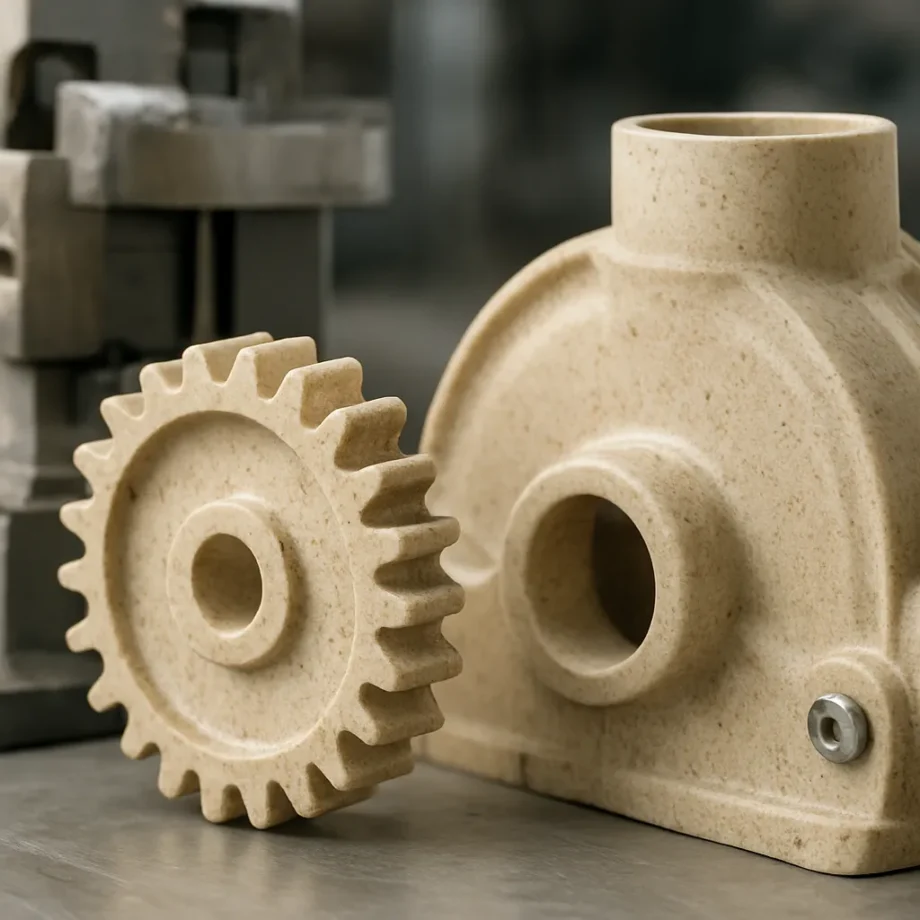
From the rolling fields of modern farms to the high-tech workshops of equipment manufacturers, the push for more sustainable solutions has led to remarkable transformations in agricultural machinery. Integrating biodegradable materials into machine parts not only addresses environmental pressures but also opens avenues for cost savings, improved efficiency, and enhanced performance under challenging conditions.
Design Evolution in Agricultural Machinery
Advancements in farming practices demand machinery that balances power, precision, and environmental responsibility. Traditional components often rely on metal alloys and synthetic plastics, which bring strength at the cost of high energy consumption during production and potential pollution at end of life. By rethinking design principles, engineers strive to incorporate sustainability without compromising on durability or functionality.
- Weight optimization: replacing heavy parts with lighter, biodegradable composites reduces fuel consumption and soil compaction.
- Modularity: designing interchangeable modules allows for easier repair and end-of-life recycling, aligning with circular economy goals.
- Smart integration: embedding sensors and data-driven controls into eco-friendly housings improves monitoring of soil, crop health, and machine health simultaneously.
Key Performance Drivers
- Efficiency: energy savings through lighter components and reduced friction.
- Reliability: maintaining structural integrity under heavy loads and variable climates.
- Maintenance: simplifying service intervals and part replacement using biodegradable inserts or coatings.
Material Innovations and Biodegradable Polymers
Breakthroughs in polymer science have introduced a spectrum of polymers derived from renewable resources such as plant oils, starches, and bacterial fermentation processes. These materials offer comparable mechanical properties to conventional plastics, while degrading harmlessly when exposed to soil microbes or industrial composting systems.
Prominent Biodegradable Materials
- Polylactic acid (PLA): known for high rigidity and clarity, used in housings and covers.
- Polyhydroxyalkanoates (PHA): excellent flexibility and resilience under temperature shifts.
- Starch blends: cost-effective solutions for non-load-bearing parts and disposable components.
- Natural fiber composites: combining hemp, flax, or bamboo fibers with bio-resins for reinforcement.
The selection of these materials hinges on balancing tensile strength, impact resistance, and durability against environmental exposure. Each candidate undergoes rigorous laboratory testing to simulate years of mechanical stress and varying humidity levels found in field conditions.
Integration Strategies and Manufacturing Techniques
Embedding biodegradable materials into agricultural machinery requires tailored manufacturing approaches. Traditional metal casting and machining give way to processes that preserve polymer integrity and microstructure.
- Injection molding: widely used for mass production of complex shapes, ensuring uniform material distribution.
- Extrusion and blow molding: ideal for producing hollow tubes, guards, and fluid containers with consistent wall thickness.
- Additive manufacturing (3D printing): enables rapid prototyping of specialized parts, reducing development cycles and waste.
- Hybrid assembly: combining metal frameworks with bio-based panels or inserts to optimize strength-to-weight ratios.
Process parameters such as temperature profiles, cooling rates, and mold design play a crucial role in maintaining the manufacturing reliability of biodegradable parts. Specialized coatings can further protect sensitive materials from UV radiation, abrasion, and chemical exposure, extending component lifespan while ensuring full biodegradation when discarded.
Performance and Lifecycle Considerations
Agricultural machinery encounters harsh conditions: abrasive dust, chemical fertilizers, sudden impacts from rocks, and temperature extremes. Evaluating new materials involves comprehensive trials:
- Mechanical testing: measuring tensile strength, flexural modulus, and impact resistance at various moisture levels.
- Environmental aging: exposing specimens to UV chambers, saltwater sprays, and freeze–thaw cycles.
- Soil burial studies: monitoring biodegradation rates under aerobic and anaerobic conditions.
- Operational field trials: deploying prototype parts on tractors, combines, and planters to assess real-world performance.
Data from these evaluations inform design refinements, ensuring that innovation does not come at the expense of malfunction or unexpected downtime.
Environmental and Economic Impacts
Integrating biodegradable materials into farm equipment yields multifaceted benefits:
- Reduced carbon footprint: bio-based polymers often require less energy to produce and emit fewer greenhouse gases compared to petrochemical plastics.
- Lower disposal costs: parts that can naturally decompose or enter compost streams eliminate landfill fees and potential soil contamination.
- Market differentiation: manufacturers offering eco-conscious machinery can tap into sustainability grants and consumer goodwill.
- Supply chain resilience: sourcing renewable feedstocks mitigates dependence on volatile oil markets and global petrochemical supply disruptions.
Economically, initial investments in research and retooling may be higher, but lifecycle cost analyses frequently reveal payback periods under three years due to savings in maintenance, disposal, and regulatory compliance.
Future Outlook and Challenges
Though promising, widespread adoption of biodegradable components in agricultural machinery faces hurdles:
- Standardization: industry-wide guidelines for material testing, labeling, and end-of-life management are still emerging.
- Cost parity: further scale-up of bio-material production is required to compete with low-cost petroleum-based plastics.
- Compatibility: ensuring seamless integration with existing metal and electronic systems without galvanic corrosion or adhesive failures.
- Education: training technicians and farmers on proper handling, installation, and disposal methods to maximize environmental benefits.
Collaborations between equipment manufacturers, material scientists, and agricultural researchers will be vital. Leveraging advances in biotechnology, such as genetically engineered microbes to produce tailor-made polymers, could unlock a new era of truly sustainable farming equipment. The journey toward fully biodegradable machinery parts is both a technical challenge and an opportunity to transform the relationship between machinery, environment, and global food production.