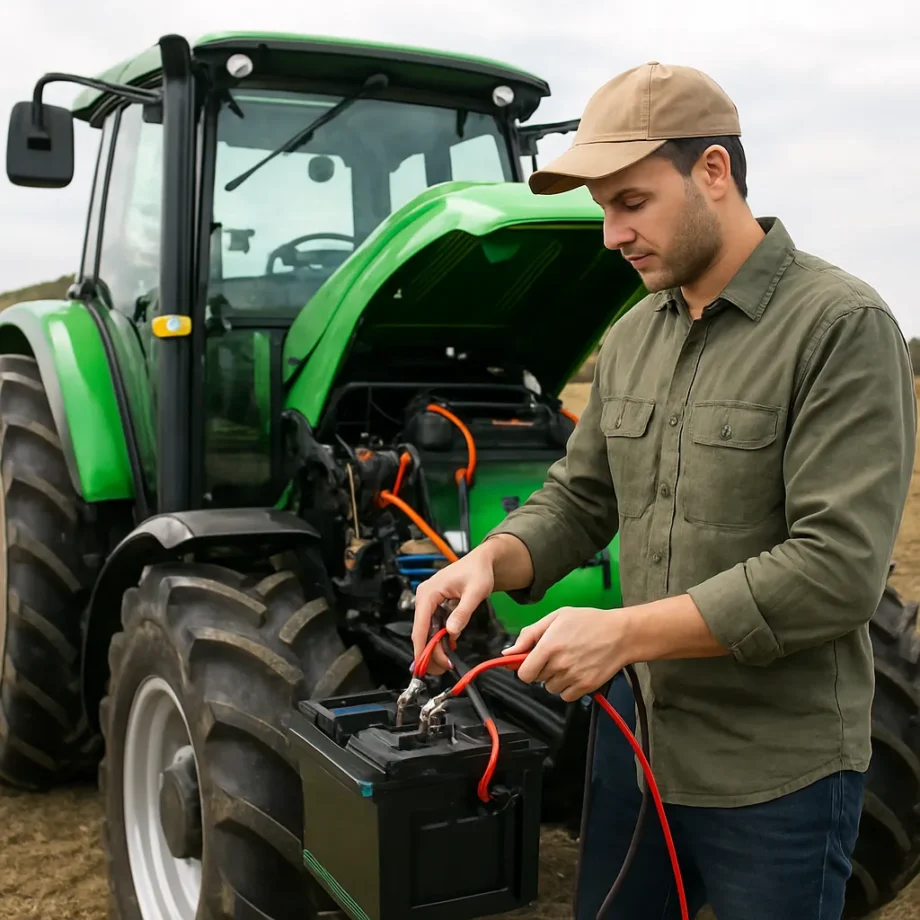
Ensuring peak performance and prolonging the lifespan of modern agricultural equipment demands a proactive approach. Electric farm machines blend cutting-edge technology with sustainable farming practices, but without proper attention to detail, even the most advanced systems can underperform. This guide offers in-depth insights into maintaining these robust tools, helping farmers maximize uptime, minimize repair costs, and embrace the future of precision agriculture.
Electric Farm Machines Overview
Electric tractors, autonomous harvesters, and battery-powered sprayers represent significant strides in agricultural innovation. Powered by advanced battery packs and integrated control systems, these machines promise lower operating expenses, reduced emissions, and unparalleled data-driven insights. However, the increased complexity introduces new maintenance demands compared to traditional diesel or gas-powered equipment.
- Electric Tractors harness high-capacity batteries for tillage, planting, and hauling tasks.
- Autonomous Harvesters rely on cameras, LiDAR, and GPS to collect crops with minimal human intervention.
- Battery-Powered Sprayers deliver agrochemicals precisely, reducing waste and environmental impact.
Embracing these innovations calls for robust routines centered on electrical, software, and mechanical care. Each component category has unique requirements, and neglecting one can jeopardize overall reliability.
Essential Battery Care and Charging Practices
At the heart of every electric machine lies its battery system. Proper management of this critical component safeguards performance and avoids costly replacements.
- Maintain ambient temperature between 10–25°C to optimize Lithium-Ion pack health.
- Monitor State of Charge (SoC) and State of Health (SoH) through built-in telemetry.
- Avoid deep discharges below 20% to reduce cell degradation.
- Calibrate battery management systems (BMS) annually to ensure accurate diagnostics.
- Use manufacturer-approved chargers with proper voltage and current ratings.
Routine Charging Station Inspection
- Check cables and connectors for fraying or corrosion.
- Test ground fault circuit interrupters (GFCIs) monthly.
- Ensure ventilation around charging bays to prevent overheating.
Implementing these protocols not only extends battery service life but also enhances overall machine efficiency.
Software Management and Sensor Diagnostics
Modern electric farm machines are data-driven platforms. Regular software updates, combined with sensor health checks, minimize unexpected downtime.
- Install firmware patches promptly to benefit from bug fixes and security enhancements.
- Validate GPS, accelerometers, and humidity sensors using on-screen diagnostics.
- Back up configuration profiles before software upgrades to facilitate quick recovery.
- Review error logs weekly to identify persistent connectivity or calibration issues.
Network and Connectivity Best Practices
- Deploy a dedicated, secured Wi-Fi hotspot or private LTE for machine-to-cloud communication.
- Regularly update firewall rules to prevent unauthorized access.
- Test remote-control applications from varied locations to verify coverage.
Prioritizing these measures fortifies the digital backbone of precision agriculture, ensuring uninterrupted operations during critical planting and harvesting windows.
Mechanical Inspections and Component Care
While electrical systems are paramount, traditional mechanical upkeep remains vital. Routine checks prevent minor wear from escalating into major breakdowns.
- Inspect belts, chains, and gearboxes for wear and proper tension.
- Lubricate moving parts with manufacturer-recommended greases and oils to reduce friction.
- Examine hydraulic hoses for cracks, leaks, or swelling.
- Clean radiators and heat exchangers to prevent overheating of power electronics.
- Verify brake assemblies and steering linkages for precise control.
Cleaning and Corrosion Prevention
- Use low-pressure water jets to remove debris without damaging seals.
- Apply anti-corrosion sprays to exposed metal surfaces.
- Inspect electrical enclosures for moisture ingress and reseal if necessary.
Maintaining these components not only bolsters safety but also sustains the seamless integration of mechanical and electronic subsystems.
Infrastructure and Safety Considerations
Electric farm machinery demands a tailored support infrastructure, from robust charging stations to operator training in handling high-voltage systems.
- Install clear signage around charging zones to alert personnel to potential hazards.
- Equip workshops with insulated tools and PPE rated for electrical work.
- Implement lockout/tagout procedures during maintenance to prevent accidental energization.
- Provide regular staff training on emergency shutdown protocols and first-aid for electrical injuries.
Facility Layout and Power Management
- Design wiring pathways to minimize trip hazards and cable damage.
- Install surge protection devices on main distribution panels.
- Use energy management software to track power usage and identify inefficiencies.
Investing in the right infrastructure and safety programs ensures compliance with regulations while reinforcing a culture of responsible equipment stewardship.
Seasonal Storage and Long-Term Preservation
During off-peak seasons, appropriate storage preserves machine integrity and accelerates spring commissioning.
- Clean all components thoroughly to remove residue and prevent pest infestations.
- Top off coolant and lubrication systems to avoid internal corrosion.
- Store batteries at 40–60% charge in climate-controlled environments.
- Disconnect auxiliary modules and cover machines to shield them from dust and moisture.
- Run periodic, low-load diagnostics to keep electronics active and detect emerging issues.
Documentation and Maintenance Logs
- Record all service activities, software updates, and part replacements.
- Use digital maintenance management systems to schedule reminders and track performance metrics.
- Archive historical data to analyze long-term trends and inform future procurement decisions.
Comprehensive record-keeping and careful storage practices lay the groundwork for swift, trouble-free reactivation when fieldwork resumes.