Agricultural machinery has transformed the way farmers cultivate, harvest, and manage crops, delivering unprecedented levels of efficiency and scale. From modern tractors to precision planters, each piece of equipment plays a pivotal role in boosting productivity while conserving time and resources. Among the many factors that influence machine performance, tire inflation is often overlooked, yet it directly impacts fuel consumption, traction, and overall operational costs. This article delves into the evolution of agricultural machinery, explains why correct tire pressure is critical for maximum performance, outlines best maintenance practices, and explores emerging trends in tire technology.
Agricultural Machinery Evolution
Over the past century, the agricultural sector has witnessed a dramatic shift from manual labor and animal-drawn implements to highly advanced, GPS-enabled tractors and self-propelled harvesters. Early mechanization focused on replacing human strength with engine power, gradually leading to specialized equipment designed for tasks such as tilling, planting, spraying, and harvesting. Today’s machines incorporate electronic controls, real-time data analytics, and automated steering systems, allowing farmers to optimize field operations with surgical precision.
Key milestones in machinery development include:
- Steam engines powering the first traction engines in the 19th century.
- Internal combustion tractors replacing steam with cleaner, more efficient power sources.
- Adoption of hydraulics for implements, enabling three-point hitches and modular attachments.
- Integration of GPS and computer systems to guide implements along accurate field paths.
- Emergence of autonomous combines and robotic planters poised to revolutionize labor-intensive tasks.
Maximizing Efficiency Through Proper Tire Inflation
One of the most critical yet underappreciated factors in machine performance is tire pressure. Correct inflation ensures that an agricultural vehicle exerts the intended load distribution, maintains stable ground contact, and minimizes slipping or soil compaction. Improper inflation can lead to uneven wear, reduced stability, higher fuel usage, and even operational hazards during critical field tasks.
Impact on Fuel Economy and Emissions
Underinflated tires increase rolling resistance, forcing engines to work harder and consume more fuel. Studies show that for each 10% drop below recommended pressure, fuel consumption can rise by up to 5%. Over an entire harvest season, these inefficiencies accumulate, raising operating costs and carbon emissions. Conversely, overinflated tires may seem to reduce rolling resistance but compromise traction, causing wheel spin and soil slippage that also waste energy.
Soil Health and Compaction
Maintaining optimal inflation is vital for preserving soil structure. Excessive ground pressure from underinflated tires can compact soil layers, restricting root growth and reducing water infiltration. This leads to poor crop yields and increased need for irrigation or chemical amendments. By adjusting tire pressure according to field conditions—lower for soft, wet soil and higher for firm, dry terrain—operators can strike a balance between load-bearing capacity and minimal soil disturbance.
Best Practices for Tire Maintenance
Routine upkeep of tires extends their lifespan and safeguards machine performance. Farmers and equipment managers should implement systematic checks and adopt preventive measures to avoid unexpected downtime.
Regular Pressure Monitoring
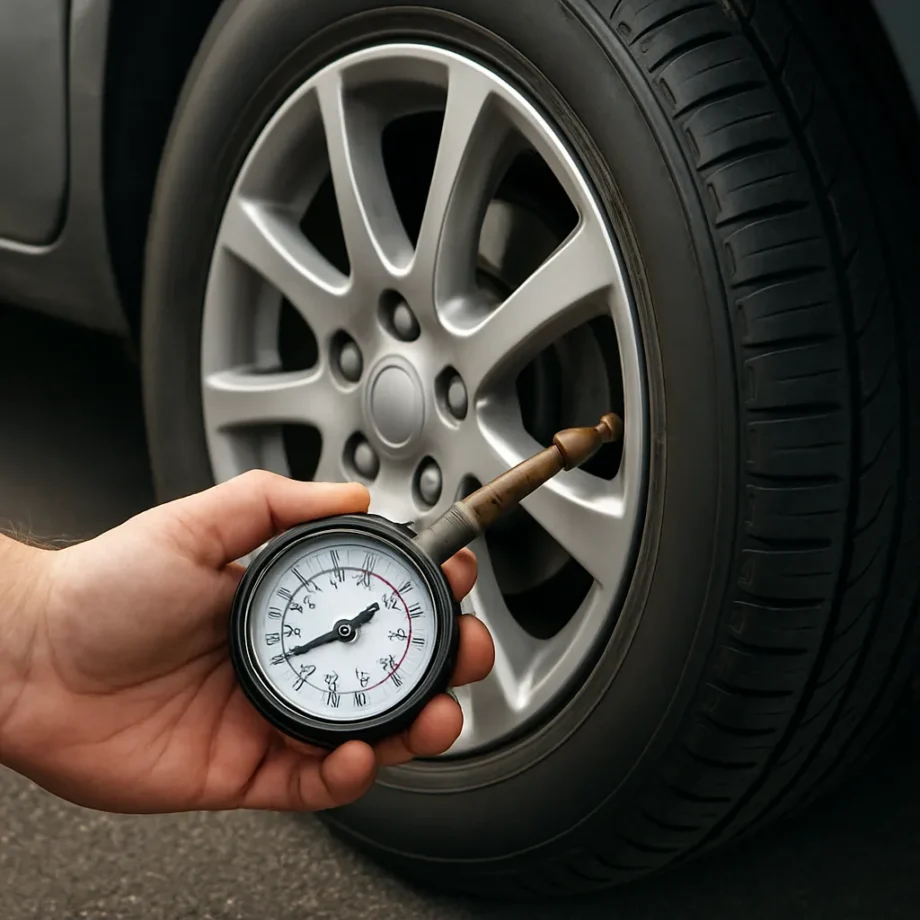
Invest in a reliable tire pressure gauge or an on-board monitoring system. Inspect pressure levels before starting daily operations and after significant temperature fluctuations. Document readings to identify trends or persistent leaks early, allowing timely intervention.
Visual Inspections and Cleaning
Conduct a thorough visual review of each tire, looking for cuts, bulges, embedded debris, or sidewall damage. Remove stones, metal fragments, and plant residues lodged in the tread. Clean rims and valve stems to ensure airtight sealing and prevent slow leaks.
Seasonal Adjustments and Storage
During off-season periods, store equipment in a dry, sheltered area away from direct sunlight to reduce rubber degradation. Adjust tire pressures to recommended storage levels to alleviate unnecessary stress on the internal structure. Periodically rotate tires on multi-axle vehicles to promote uniform wear.
Innovative Developments in Tire Technology and Future Outlook
As the agricultural sector pushes toward sustainability and higher productivity, tire manufacturers are introducing novel solutions designed to address evolving challenges. Advances in materials science, sensor integration, and design innovations promise to redefine how tires support modern farming operations.
Airless and Smart Tires
Airless or non-pneumatic tires eliminate punctures and pressure management concerns, offering uninterrupted field performance. Smart tires embed electronic sensors within the rubber matrix to deliver real-time data on pressure, temperature, load, and tread depth. Integrated telemetry links this information to onboard displays or cloud-based platforms, enabling proactive maintenance and optimized field planning.
Variable Inflation and Central Tire Inflation (CTI) Systems
CTI systems allow operators to adjust tire pressure on the go, adapting to changing terrain conditions without manual intervention. By lowering pressure for muddy or soft fields and increasing it for road transport or heavy loads, farmers can maximize traction and minimize soil compaction. Future generations of CTI may rely on automated algorithms, reacting instantly to sensor feedback.
Eco-Friendly and Recyclable Compounds
Environmental considerations drive research into bio-based rubber compounds and recyclable tire architectures. Manufacturers aim to reduce reliance on petroleum-derived materials and streamline end-of-life recycling processes. These sustainable innovations will complement precision agriculture efforts to lower environmental footprints across the entire farming lifecycle.