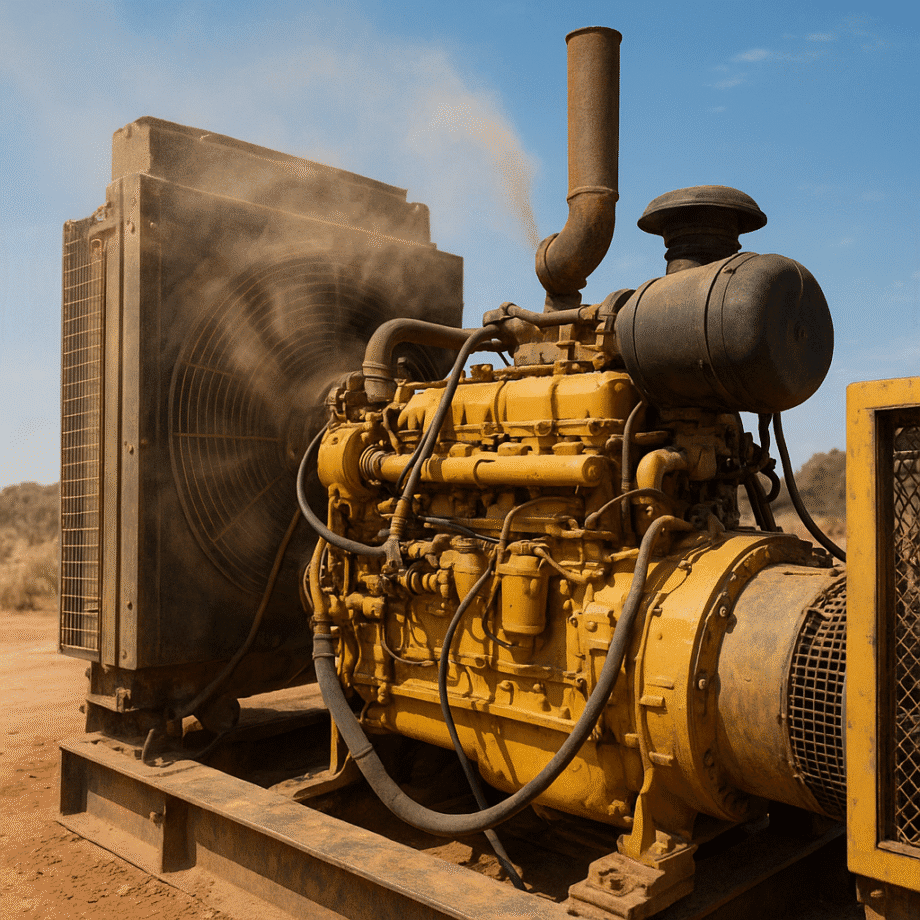
Agricultural operations in scorching environments place immense stress on equipment, demanding strategies that ensure continuous productivity and minimize downtime. Properly implemented cooling solutions not only protect vital components but also enhance overall efficiency and extend machine lifespan.
Understanding the Impact of Heat on Agricultural Machinery
Environmental Stress Factors
High ambient temperatures, combined with direct solar radiation and dusty conditions, contribute to accelerated component wear. Engines and hydraulic systems in tractors, combines, and harvesters can suffer from overheating, leading to power loss and potential breakdowns. Heat also affects rubber seals, gaskets, and electronic sensors, reducing overall machine performance and reliability.
Key Vulnerable Components
- Engine blocks and cylinder heads – risk of thermal expansion and warping
- Radiators and cooling fans – accumulation of debris obstructs airflow
- Hydraulic pumps and hoses – increased fluid temperature reduces viscosity
- Bearings and gearbox components – inadequate lubrication when oil thins
- Electronic control modules – sensitive to extreme temperature fluctuations
Optimizing Cooling Systems
High-Performance Radiators and Fans
Selecting a robust radiator with increased surface area and core thickness helps dissipate heat more rapidly. Upgrading to high-capacity cooling fans, possibly with variable-speed drives, ensures adequate airflow through the radiator assembly under heavy loads and high temperatures.
Coolant Selection and Maintenance
Employing a high-temperature, anti-corrosive coolant mixture is essential. Consider extended-life formulations that resist boiling and foaming. Regular checks of coolant concentration and pH levels prevent scale buildup and corrosion, preserving heat transfer efficiency.
- Maintain proper coolant-to-water ratio (typically 50:50)
- Flush cooling circuit every season to remove deposits
- Inspect hoses and clamps for leaks and deterioration
Auxiliary Cooling Techniques
For equipment operating in extreme climates, auxiliary systems such as oil coolers and intercoolers can relieve the load on the primary radiator. Oil-to-air heat exchangers maintain hydraulic and transmission fluid temperatures within optimal ranges, preventing viscosity loss and ensuring smooth operation.
Preventive Maintenance and Lubrication Strategies
Routine Inspections
Implement a rigorous maintenance schedule focusing on heat-related wear. Daily visual checks of radiator fins, fan belts, and coolant levels allow early detection of issues. Weekly thermal scans with infrared devices can pinpoint hot spots before failures occur.
Optimizing Lubricant Performance
High ambient heat accelerates lubricant degradation. Choose multi-grade oils with high thermal stability and superior anti-oxidation properties. Increase oil change frequency during peak season and monitor oil condition through periodic sampling.
- Use lubrication greases rated for elevated temperatures
- Implement centralized lubrication systems for consistent delivery
- Keep filters clean to reduce contamination and friction
Operator Best Practices
Efficient Work Cycles
Training operators to schedule work during cooler hours—early morning or late afternoon—reduces continuous heat build-up. Allow machines to idle or operate under light load periodically, giving cooling systems time to recover.
Remote Monitoring and Alerts
Installing real-time temperature sensors on key components enables proactive monitoring. Telemetry systems can send alerts when coolant, oil, or hydraulic temperatures exceed safe thresholds, allowing operators to take corrective action before damage occurs.
Advanced Technologies and Innovations
Thermal Insulation and Reflective Coatings
Applying ceramic-based coatings on engine covers and body panels reflects radiant heat, lowering under-hood temperatures. Premium insulators around exhaust manifolds and turbochargers trap heat within the exhaust stream, improving turbo efficiency and protecting adjacent components.
Hybrid and Electric Drive Solutions
Electric-driven implements generate less waste heat compared to traditional diesel engines. Hybrid tractors with electric assist can operate at lower thermal loads during field tasks, reducing reliance on active cooling. This shift enhances machine resilience in high-temperature zones.
Smart Fluid Management Systems
Next-generation machines incorporate on-board diagnostics that adjust pump flow rates and fan speeds based on real-time demands. Such adaptive cooling systems maintain ideal fluid temperatures, maximizing efficiency and preventing overheating under varying load conditions.
Upgrading and Retrofitting Existing Equipment
Aftermarket Cooling Packages
For older machinery, aftermarket kits offer enhanced radiator cores, powerful electric fans, and supplementary oil coolers. These upgrades can be tailored to machinery type—tractors, combines, sprayers—to provide targeted improvements where stock systems struggle in extreme heat.
Enhanced Air Filtration
Dust-laden environments common in hot climates can choke radiators and air intakes. Dual-stage filtration units remove fine particles before they clog the cooling matrix or engine air filter. Clean air passages improve combustion and heat rejection performance.
Ensuring Long-Term Reliability
Data-Driven Maintenance Planning
Leverage farm management software to analyze downtime and temperature-related events. Identifying patterns helps schedule preemptive interventions, from cooling system overhauls to component replacements, minimizing unplanned stoppages.
Building a Culture of Vigilance
Encourage field crews to report subtle signs of thermal stress—unusual noise, steam plumes, or slipping belts. A proactive approach, supported by proper documentation and knowledge sharing, fosters a robust maintenance culture that thrives even under the harshest climatic conditions.