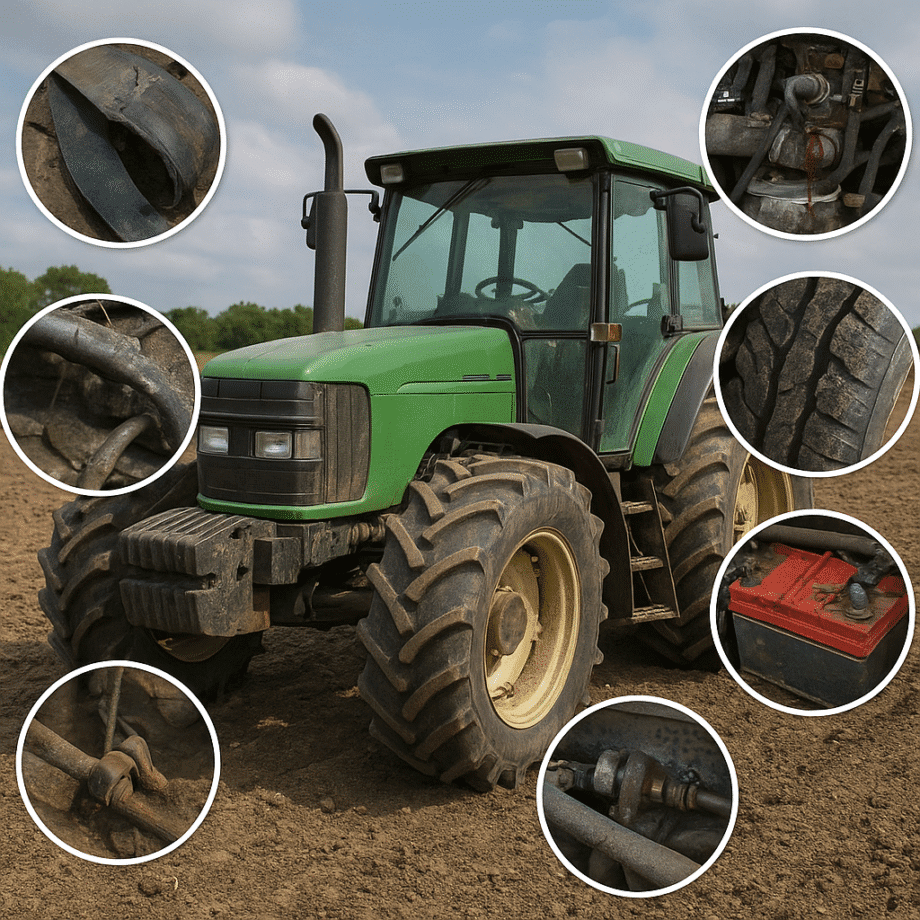
Operating a modern engine-driven workhorse demands attention to every component, from robust powertrains to sensitive sensors. Whether you manage a small family farm or a large commercial operation, understanding key areas prone to malfunction can maximize performance and extend overall durability. Below, explore practical insights into diagnosing and remedying typical tractor troubles without resorting to costly downtime.
Identifying Engine Performance Issues
Tractor engines deliver immense torque under demanding field conditions. Over time, wear or neglect can lead to reduced power, erratic idling, or excessive smoke. Early diagnosis is crucial to avoiding complete breakdown.
Common Symptoms
- Difficulty starting or long cranking times
- Black, blue, or white exhaust smoke
- Overheating or rapid coolant loss
- Poor fuel economy and uneven throttle response
Begin by checking the coolant level and thermostat operation. A failing thermostat may stick closed, causing overheating and warped cylinder heads. Inspect injection nozzles and fuel lines for leaks or blockages; contaminated injectors often create lean running conditions and smoky exhaust. Cleaning or replacing worn fuel filters restores proper flow. Perform a compression test—uneven readings indicate worn piston rings or valves. Rebuilding the head gasket or replacing seals may be required to regain original compression and prevent cross-contamination between coolant and combustion chambers.
Troubleshooting Hydraulics System Failures
Hydraulic circuits power implements, loaders, and steering. Loss of lifting force or jerky control movements can signal internal wear or fluid contamination.
Key Inspection Steps
- Check fluid level and condition in the reservoir
- Examine hoses, fittings, and seals for leaks
- Test relief valves for correct pressure settings
- Monitor cylinder rods for pitting or bending
Begin by sourcing clean hydraulic oil meeting manufacturer specifications. Water or debris in the fluid accelerates component wear. Replace clogged filters at regular intervals to trap particulates before they score pumps or valves. If you detect foaming or aeration, bleed air pockets by operating the implement through its full range of motion with the cap off the reservoir. In cases of low flow, inspect the pump’s internal swash plate and vanes for scoring. Rebuild or replace the pump if clearances exceed tolerance. Finally, calibrate pressure relief settings to factory values, ensuring the system both protects components and delivers optimal lifting capacity.
Resolving Electrical Battery and Wiring Malfunctions
Electrical woes often manifest as dim lights, erratic gauge readings, or failure to start. A weak battery or corroded wiring can ground out critical circuits.
Diagnostic Checklist
- Voltage output of both battery and alternator
- Condition of terminal posts and cable connectors
- Integrity of fuses, relays, and ground straps
- Continuity of ignition switch and safety interlocks
First, test the battery’s cold cranking amps with a load tester. Replace aged batteries showing less than 80% of rated capacity. Clean terminal clamps with a wire brush and apply dielectric grease to prevent future corrosion. Check alternator belt tension—slippage under load can reduce charging output. If voltage reading fluctuates or drops below 13.5V during operation, bench-test the alternator or regulator. Trace faulty wiring using a multimeter, repairing any broken strands or loose connectors. Ensure safety switches on the cab, neutral start interlock, and parking brake circuit all function properly to avoid unintended shutdowns.
Repairing Transmission and Clutch Wear
Shifting problems and clutch slippage hinder efficiency during fieldwork. Metal shavings in gear oil or a burning smell often accompany early transmission distress.
Troubleshooting Steps
- Inspect gear oil level and look for metallic debris
- Check for excessive play in shift linkages
- Measure clutch pedal free play per service manual
- Perform stall test to gauge clutch holding capacity
Begin by draining and examining transmission fluid for metal particles. Replace fluid and filter if contamination or discoloration appears. Adjust linkages to ensure full engagement of gears. If the clutch fails a stall test—where tractor creeps under load without forward motion—remove and inspect the pressure plate, friction disc, and flywheel surface. Resurfacing the flywheel and fitting a new disc assembly typically restores proper engagement. Confirm linkage adjustment afterward so the clutch fully disengages and engages without excessive pedal travel.
Maintaining Tires and Undercarriage Integrity
Worn tires or track components reduce traction and increase fuel consumption. Uneven wear patterns often point to alignment or suspension issues.
Inspection Guidelines
- Check tire pressure against recommended psi
- Examine tread depth and sidewall for cuts or bulges
- Inspect wheel bearings and hub seals for leaks
- On track systems, look for damaged links or missing rollers
Rotate tires periodically to equalize wear. Replace any tire showing exposed cords or deep gouges. Grease wheel bearings at scheduled intervals to prevent overheating and premature failure. On tracked tractors, clear debris from undercarriage rails after each use to avoid accelerated link wear. Proper tensioning prevents track derailment but avoids excessive preload that overloads bearings and rollers.
Optimizing Cooling and Fuel System Health
Efficient cooling prevents overheating, while clean fuel ensures smooth combustion. Sludge buildup in radiators and water in fuel can devastate components.
Preventive Measures
- Flush radiator and replace coolant every season
- Use anti-corrosion additives to protect alloy surfaces
- Drain water separators and replace fuel filters routinely
- Bleed air from fuel lines after filter changes
Maintain coolant concentration at proper antifreeze ratio to prevent freezing and boiling over. Inspect hoses for soft spots or cracking, replacing them before failure. Check radiator fins for bent or clogged sections, cleaning with low-pressure water and compressed air. In fuel lines, water separators trap condensation; drain them daily when humidity is high. Always replace primary and secondary fuel filters as per service intervals. Air trapped in the injection system can cause hard starting and misfires—bleed lines fully after filter replacement.
Proactive Maintenance Strategies to Maximize Uptime
Consistent servicing prevents small issues from escalating into major repairs. Implementing a scheduled checklist saves time and money.
Core Practices
- Follow manufacturer-recommended service intervals
- Keep detailed logs of repairs and parts replaced
- Inspect all fluid levels—engine oil, transmission fluid, hydraulic oil—before each shift
- Store the machine in covered, dry locations during off-season
Regular oil and filter changes preserve internal engine health through proper lubrication. Visual checks of belts, hoses, and seals catch deterioration early. Replace worn components proactively rather than reactively. Conduct seasonal tune-ups before planting and harvest to identify any emerging faults. Training operators in routine inspections fosters a culture of care and ensures potential problems are flagged immediately. By embracing maintenance as an ongoing priority, you optimize tractor longevity and field productivity throughout every growth cycle.