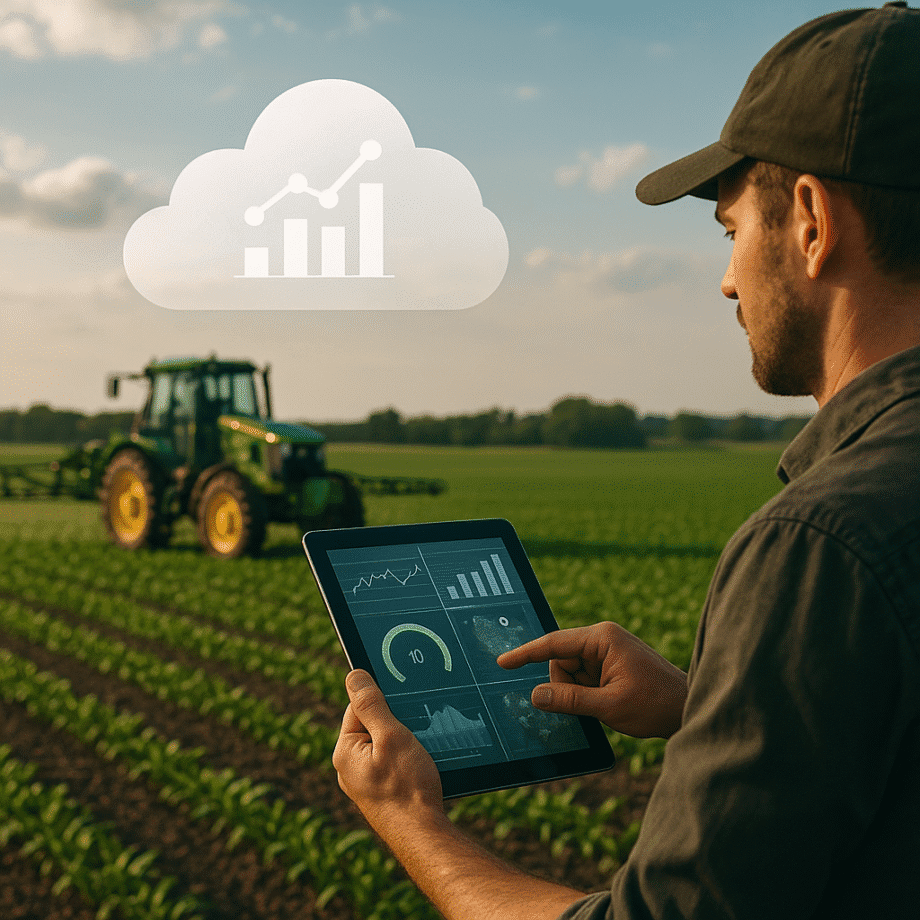
Farmers leverage cutting-edge technology to transform traditional fields into high-tech production hubs. Agricultural machinery now operates with unprecedented precision thanks to cloud-based platforms that collect, analyze, and visualize data in real time. By connecting tractors, combine harvesters, and aerial devices through secure online networks, modern operations enable enhanced decision-making and resource management. This article explores the interplay between innovative equipment and integrated monitoring systems, emphasizing the benefits and challenges of digital farming.
Advanced Connectivity and Real-Time Data Acquisition
Seamless connectivity lies at the heart of next-generation agricultural machinery. Sensors embedded in key components continuously stream information to centralized servers, enabling farm managers to monitor conditions without stepping into the cab. Integration of IoT sensors ensures measurements of soil moisture, crop health, machine temperature, and fuel levels are updated by the second. High-speed networks such as 4G/5G and low-power wide-area protocols create a reliable backbone for data transfer, even in remote areas.
Integration with On-Board Systems
- GPS-guided drones survey fields, capturing multispectral imagery linked to cloud dashboards for rapid assessment of plant stress patterns.
- Autosteer tractors adjust their trajectory automatically based on geo-fenced field maps hosted on external servers.
- Combine harvesters equipped with yield mapping modules synchronize grain flow statistics to cloud repositories, facilitating post-harvest analysis.
Benefits of Instantaneous Feedback
- Field operators receive alerts on mobile devices when machine anomalies arise, minimizing downtime through prompt responses.
- Remote technicians access live feeds of engine telemetry, diagnosing performance deviations before they escalate into failures.
- Historical logs of speed, rpm, and hydraulic loads are compared against optimal benchmarks, promoting ongoing efficiency improvements.
Predictive Maintenance and Performance Optimization
Traditional maintenance schedules often rely on fixed intervals that either lead to under-utilization or unexpected breakdowns. By employing telemetry and predictive analytics, cloud-based monitoring systems evaluate real-time machine behavior to predict component wear and potential failures. This proactive approach transforms reactive repairs into strategically planned service events, extending equipment lifespan and reducing overall costs.
Machine Health Tracking
- Vibration sensors on critical bearings feed operational signatures to analytical engines that detect deviations from baseline norms.
- Temperature probes in hydraulic circuits identify overheating trends, triggering maintenance tickets via automated workflows.
- Fuel consumption patterns are correlated with load factors to recommend filter replacements or engine tune-ups ahead of schedule.
By leveraging aggregated performance metrics, farm managers can prioritize high-risk units for inspection and schedule parts deliveries well before peak planting or harvesting seasons. This optimized service cycle reduces allocation of emergency funds and maximizes equipment availability during crucial operational windows.
Automation and Precision Agriculture
Automation represents a transformative dimension in modern farming, enabled by synergy between on-board control modules and centralized cloud intelligence. Through intricate algorithms, machinery can execute tasks with centimeter-level accuracy, minimizing overlap and ensuring uniform application of seeds, fertilizers, and pesticides. This data-driven approach reduces input waste and fosters uniform crop emergence across sprawling estates.
Variable Rate Application
- Fertilizer sprayers adjust nutrient delivery on the fly, responding to field variability captured in pre-loaded prescription maps.
- Seed drills modulate seeding depth and density per soil composition analytics derived from satellite imagery integrated into cloud servers.
- Irrigation systems interface with weather forecasts and soil sensors to tailor water distribution, conserving precious resources.
Guidance and Autonomy
- Steer-by-wire tractors employ real-time corrections based on electronic horizon data, virtually eliminating operator fatigue.
- Swarm robotics coordinate multiple units to cover large tracts efficiently, communicating through a central command node for task allocation.
- Self-leveling spreaders maintain consistent output rates on sloped terrain by adjusting hopper controls via embedded cloud protocols.
Environmental Sustainability and Resource Management
Precision farming isn’t solely about yield maximization—it also offers pathways to greater sustainability. By tapping into cloud-hosted analytics, agricultural enterprises can monitor resource usage at granular scales. This real-time visibility empowers decision-makers to adjust strategies that reduce waste, lower emissions, and protect ecosystems.
Water and Soil Conservation
- Soil moisture probes transmit continuous readings that influence irrigation schedules, avoiding over-watering and runoff.
- Drone-based thermal scans identify hotspots of evapotranspiration, guiding targeted water applications only where needed.
- Cover crop performance metrics, stored on central servers, help planners rotate planting schemes to preserve soil structure and nutrient balance.
Nutrient and Chemical Use
- Fertilizer spreaders integrate live soil test data with variable-rate technology, curbing excessive nutrient leaching into waterways.
- Pest management systems log trap counts and pest pressure indicators, suggesting minimal chemical interventions backed by predictive thresholds.
- Emission monitors fitted to engine exhaust channels analyze greenhouse gas outputs, supporting compliance with environmental regulations.
Challenges and Future Directions
While the integration of sophisticated machinery and cloud platforms yields substantial advantages, several barriers remain. Addressing these challenges will be pivotal as agriculture marches toward full digital transformation.
Data Security and Privacy
- Protecting sensitive farm data against cyber threats demands robust encryption, multi-factor authentication, and regular security audits.
- Negotiating data ownership agreements between equipment manufacturers, software vendors, and end-users requires clear service level contracts.
- Interoperability standards must evolve to allow seamless exchange among disparate systems while safeguarding proprietary algorithms.
Connectivity in Remote Areas
- Expanding broadband and cellular coverage remains a priority for empowering isolated operations with real-time insights.
- Low-orbit satellite networks offer promising avenues for uplinks in zones beyond terrestrial network reach.
- Edge computing appliances installed on machinery can pre-process data locally, transmitting summaries when bandwidth becomes available.
Next-Generation Innovations
- Integration of big data frameworks with artificial intelligence will refine crop modeling and yield forecasting to unprecedented precision.
- Biometric interfaces could enable operators to manage multiple machines through gesture and voice commands, boosting operational flexibility.
- Advances in battery technology and alternative fuels will drive electrification of heavy equipment, aligning agricultural machinery with global decarbonization goals.