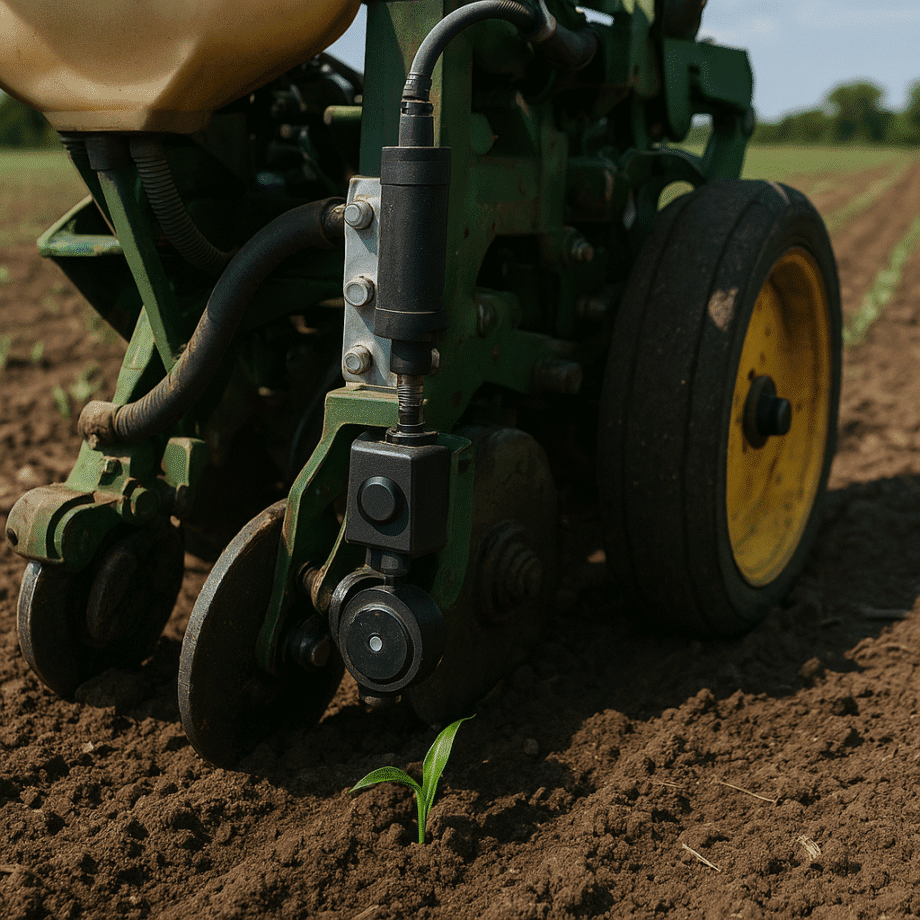
Precision agricultural practices have revolutionized the way farmers manage resources, optimize yields, and maintain sustainability. One of the most transformative elements in this evolution is the integration of advanced sensor technologies into planting equipment. By collecting and analyzing critical field data, these sensors ensure that each seed is placed at the ideal depth, spacing, and environment for maximum growth potential. The following exploration delves into key areas where sensor-enabled planting machinery is redefining modern agriculture.
Integration of Advanced Sensors in Modern Planting Equipment
As the agricultural sector moves toward increased automation, planting machinery has become more than simple seed dispensers. Sensor arrays—including optical cameras, moisture probes, and ultrasonic detectors—are now embedded within planters and seed drills to gather real-time information about soil and seed performance. Leading manufacturers equip their implements with sensors that communicate via robust networks, enabling seamless integration with on-board computers and tractor guidance systems.
Several types of sensors are commonly used:
- Optical sensors monitor seed singulation and row spacing to detect double drops or skips.
- Soil moisture probes measure water content at various depths to adjust planting depth and row spacing dynamically.
- Temperature sensors gauge soil warmth, helping determine the optimal moment for germination.
- Ultrasonic sensors measure clearance and planter hitch height for consistent seed depth.
Integrating these devices requires careful calibration and synchronization with GPS guidance systems, enabling centimeter-level accuracy in seed placement. Modern planters often include centralized control terminals where operators can monitor sensor outputs, adjust planting parameters on the fly, and record field conditions for post-operation analysis.
Data Acquisition and Real-Time Monitoring
Today’s planting equipment doesn’t just sow seeds; it also serves as a mobile data center. Real-time monitoring systems collect vast amounts of information about soil texture, moisture variability, and seed performance metrics directly from the field. Connectivity options—ranging from cellular networks to low-power wide-area networks (LPWAN)—allow data to flow uninterrupted to cloud platforms, where advanced analytics optimize decision-making.
Key components of effective data acquisition systems include:
- Edge computing modules that process raw sensor data on the implement, reducing latency for critical adjustments.
- High-precision GNSS receivers for accurate mapping of sensor readings.
- Wireless telemetry units that relay data to farm management software in near real time.
Real-time dashboards present actionable insights, such as immediate alerts when soil moisture falls outside pre-set thresholds or if seeding rates deviate from target values. Operators can respond promptly to maintain efficiency and avoid yield penalties. Additionally, historical trend analysis helps agronomists refine planting strategies in subsequent seasons by correlating field variability with actual yield maps.
Benefits for Yield Optimization and Resource Conservation
Integrating sensor technologies into planting equipment yields multifaceted advantages for farmers and stakeholders throughout the supply chain. By fine-tuning seed placement, producers can achieve more uniform stands, reduce waste, and maximize harvest quality. Several notable benefits include:
- Enhanced Yield: Precision control of seed depth and spacing leads to optimal plant population and reduced competition for nutrients and sunlight.
- Water Conservation: Moisture sensors guide irrigation needs, limiting overwatering and promoting efficient water use.
- Fertilizer Optimization: Variable-rate seeding combined with nutrient sensors ensures fertilizer applications are targeted where needed most, reducing input costs and environmental runoff.
- Labor Savings: Automated monitoring decreases the need for manual field checks, freeing labor for other critical tasks.
In addition to on-farm benefits, regulators and sustainability programs increasingly reward growers who employ sensor-driven practices. Carbon credit schemes and ecosystem service markets recognize reduced chemical usage and improved resource stewardship, further incentivizing investments in precision planting platforms.
Challenges and Future Trends in Sensor-Based Planting Technologies
Despite the remarkable progress, several challenges persist. One primary concern is the initial capital cost of high-end sensor packages and compatible guidance systems. Smaller farms may face barriers to entry due to financial constraints. Moreover, integrating heterogeneous sensor brands into a single control framework can lead to compatibility issues. Data overload poses another problem: without proper filtering and analysis tools, vast streams of information may overwhelm decision-makers.
Emerging solutions and trends include:
- Standardization: Industry alliances are working on common communication protocols to ensure seamless interoperability among devices from different manufacturers.
- Artificial Intelligence: Machine learning algorithms are being developed to interpret complex sensor data, generating predictive models that recommend optimal planting windows and configurations.
- Miniaturization: Advances in micro-electromechanical systems (MEMS) are shrinking sensor footprints and reducing costs, making precision devices more accessible to mid-size and smallholders.
- Edge AI: Embedding AI capabilities on the planter itself will speed up decision cycles, allowing local processing of sensor inputs without continuous cloud dependence.
Looking ahead, autonomous planting platforms equipped with advanced perception arrays may soon navigate fields without human intervention. Such systems will leverage lidar, radar, and multispectral imaging in tandem with traditional sensors to detect obstacles, assess crop residue, and adapt planting strategies in real time. The synergy of robotics, automation, and data science promises to push agricultural productivity and sustainability to unprecedented levels.
Investment in Training and Support
Maximizing the potential of sensor-laden equipment requires skilled operators who understand both the hardware and the data analytics behind it. Manufacturers and service providers are expanding training programs, online tutorials, and on-farm demonstrations. Extension services often partner with technology firms to ensure farmers derive full value from their precision planting investments.
Looking Toward a Connected Agricultural Ecosystem
Ultimately, the greatest impact of sensor-based planting will occur when individual implements become nodes in a larger connectivity framework. By linking tractors, combines, drones, and irrigation systems, farms can orchestrate complex operations around real-time environmental cues. Such integration will not only further reduce input waste but will also provide a holistic view of crop health, soil fertility, and resource distribution across entire landscapes.
Through continued innovation and collaboration, sensor-driven precision planting equipment will remain at the forefront of modern agriculture, delivering robust returns for growers while preserving the planet’s precious resources.