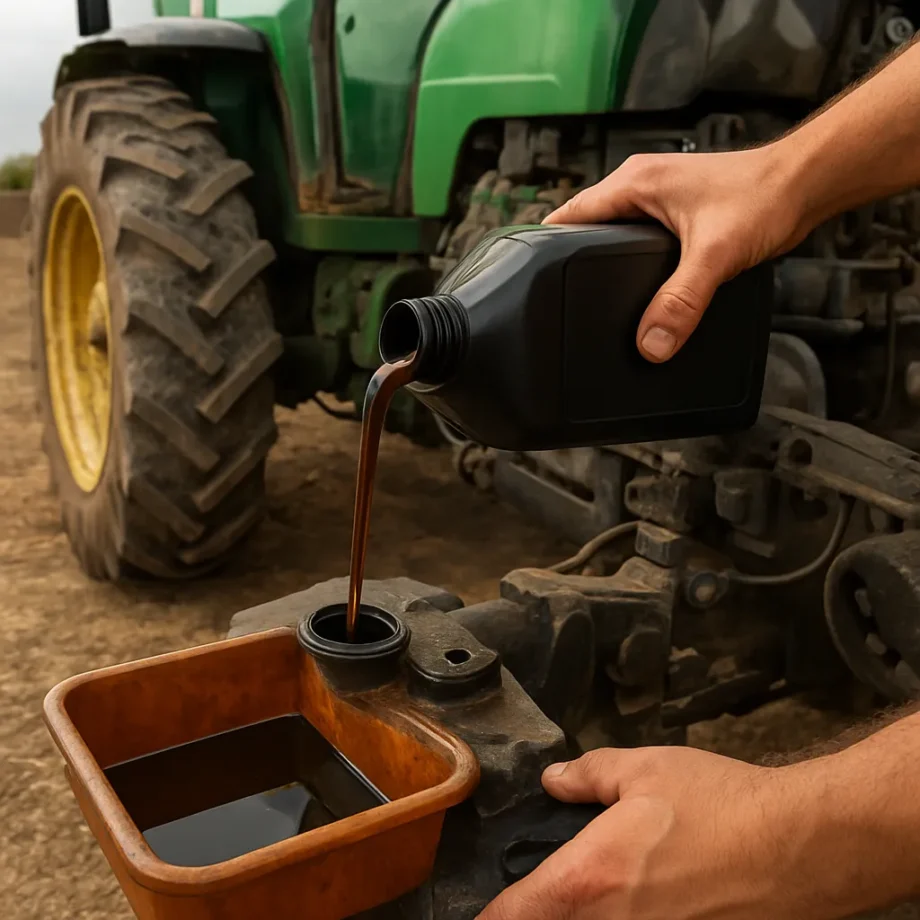
Tractors form the backbone of modern agriculture, turning vast fields into abundant harvests. Ensuring that these powerful machines run flawlessly demands careful attention to every component, with oil changes standing out as one of the most crucial tasks. Regularly refreshing engine oil and replacing worn filters not only prevents costly breakdowns but also boosts overall farm productivity.
Optimizing Tractor Performance through Timely Oil Changes
Understanding Engine Wear and Tear
Every time a tractor’s engine runs, microscopic metal particles and combustion byproducts mix with the oil, creating abrasive contaminants. Over time, these particles accelerate wear on cylinder walls, bearings and pistons. Proper lubrication reduces friction, dissipates heat and protects moving parts. Skipping scheduled oil changes allows sludge to build up, choking oil passages and leading to poor fuel consumption or even catastrophic engine failure.
Signs Your Tractor Needs Fresh Oil
- Dark, thick or gritty oil on the dipstick
- Unusual engine noises such as knocking or ticking
- Excessive exhaust smoke or frequent overheating
- Decreased performance under load or lower speeds
- Warning lights or sensor alerts from the onboard system
The Role of Quality Oil and Filters in Machinery Health
Selecting the Right Oil Viscosity
Oil viscosity ratings (for example, SAE 10W-30) indicate how well fluid flows at different temperatures. Choosing an oil that meets manufacturer specifications ensures proper film strength under heavy loads and extreme weather. In colder regions, a lower “W” rating helps pumps circulate fluid quickly at startup, reducing wear during those critical first seconds of operation.
High-Performance vs. Conventional Oils
Synthetic and semi-synthetic oils often offer superior thermal stability, oxidation resistance and longer change intervals. Although they come with a higher initial cost, these advanced formulations support consistent efficiency and protect against varnish or sludge buildup, making them ideal for high-output farm equipment.
Importance of Clean Filters
Every oil change should include a new filter. Over time, a clogged filter restricts flow, forcing unfiltered oil through the system and allowing harmful particles to damage vital components. Using OEM or high-quality aftermarket filters guarantees the right micron rating and bypass settings, maintaining optimal oil pressure throughout the engine.
Environmental and Economic Benefits of Proper Maintenance
Reducing Fuel Consumption and Emissions
A well-maintained engine operates more cleanly, burning fuel completely and emitting fewer pollutants. Regular oil changes remove sludge that impairs heat transfer, improving combustion efficiency and lowering greenhouse gas output. Farms striving for greener credentials can achieve measurable reductions in carbon footprint simply by adhering to oil-change schedules.
Maximizing Equipment Lifespan and Resale Value
Deferred or erratic maintenance accelerates wear, leading to premature part replacements and unscheduled downtime. Each hour a tractor sits idle for repair is a loss in labor efficiency and potential yield. Conversely, a documented history of consistent oil changes and service inspections enhances resale appeal, often commanding a premium price in the used-equipment market.
Waste Oil Management and Recycling
Critical Tip: Collect and store used oil in sealed containers to prevent spills and contamination. Partnering with certified recycling centers turns waste into a resource, minimizing environmental impact. Many agricultural communities now offer farm-scale oil-collection events, making proper disposal more convenient than ever.
Best Practices and Advanced Maintenance Strategies
Establishing a Scheduled Maintenance Log
Implementing a detailed log—either digital or paper—ensures that oil changes occur at precise intervals based on hours of operation or calendar months. Modern telematics systems can automate alerts, integrating diagnostics and performance data directly from the tractor’s ECU. This real-time insight helps managers predict ideal service windows and avoid guesswork.
Monitoring Oil Quality In-Field
Portable test kits allow operators to check viscosity, acidity and contaminant levels on the spot. By sampling oil before heading out for a full day’s work, crews can determine if downtime is necessary, rather than waiting for dashboard warnings. Proactive checks also reduce the risk of lubricant starvation during peak harvest seasons.
Integrating Comprehensive Machinery Inspections
While performing oil changes, technicians should also examine air filters, fuel systems, belts and hydraulic lines. A holistic approach to maintenance uncovers minor issues—loose fittings, cracked hoses, low coolant—before they escalate. Scheduling multi-point inspections alongside every oil change promotes a culture of preventative care, extending the longevity of the entire fleet.
Advanced Technologies Shaping Future Agricultural Maintenance
Predictive Maintenance with AI and Sensors
Next-generation tractors are equipped with vibration sensors, pressure transducers and oil-condition monitors. By feeding data into AI platforms, farmers gain foresight into impending failures, optimizing oil-change timing beyond simple hour-based intervals. This level of precision reduces waste, prevents unexpected downtime and enhances overall farm productivity.
Mobile Service Units and On-Site Support
Specialized mobile workshops now travel directly to remote fields, offering on-the-spot oil changes and repairs. These units carry a complete inventory of filters, seal kits and synthetic lubricants, minimizing towing costs and lost machine hours. Rapid response teams are especially valuable during planting and harvest peaks when every minute counts.
Training and Certification for Maintenance Crews
Investing in skilled technicians pays dividends in reliability and safety. Certified training programs cover best practices for oil handling, contamination control and documentation. Well-trained crews spot early warning signs—fuel dilution, coolant leaks or abnormal oil color—before they become major service headaches.
Beyond Tractors: Applying Oil-Change Wisdom Across Agricultural Machinery
While tractors demand vigilant oil care, the same principles apply to combines, balers, sprayers and loaders. Each machine operates under unique loads and environmental challenges. Adapting oil types, change intervals and filtration methods ensures every piece of equipment—from a compact utility tractor to a high-capacity harvester—delivers peak performance season after season.