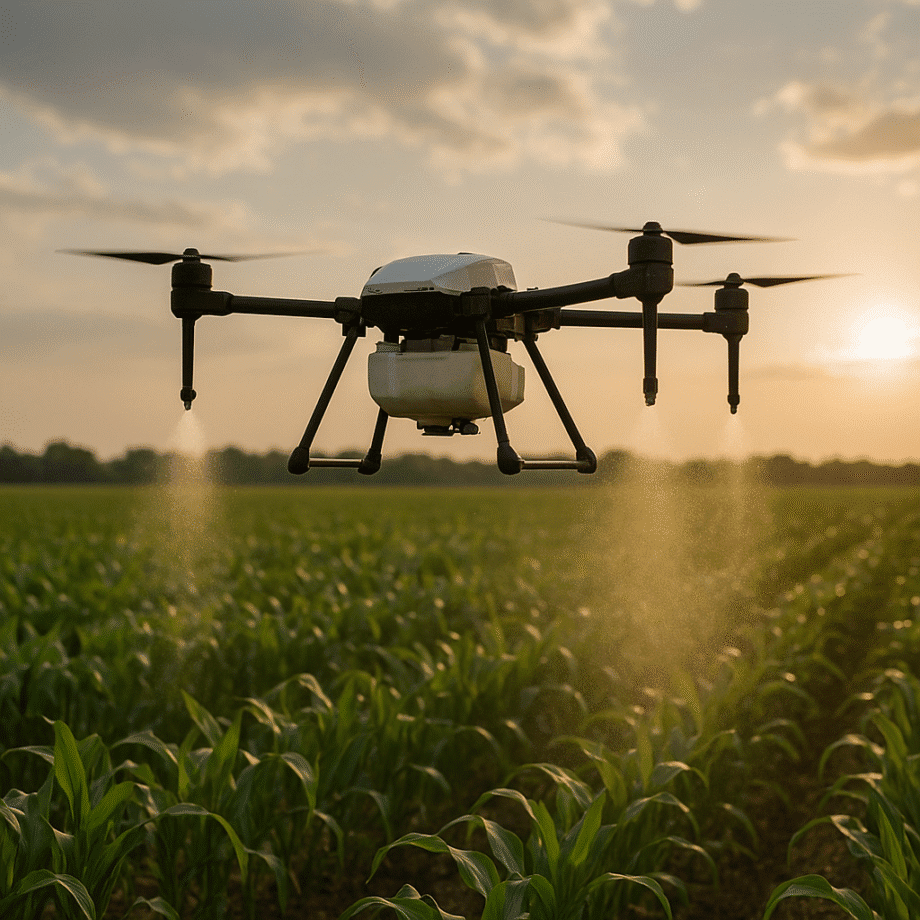
Agricultural machinery is undergoing a rapid transformation driven by **modernization** and digital integration. From traditional tractors to autonomous vehicles, farmers are embracing cutting-edge tools to enhance **precision**, reduce labor requirements, and boost overall yield. Among these innovations, drone-assisted crop spraying stands out as a game-changer, reshaping conventional approaches to pest control, fertilization, and data collection. This article explores the evolution of farm equipment, delves into the latest developments in aerial application technologies, examines their integration into smart systems, and discusses the challenges and future prospects for sustainable, high-tech agriculture.
Evolution of Agricultural Machinery
Mechanization in agriculture began with simple plows and windmills, gradually evolving into complex machines capable of tilling, planting, and harvesting at unprecedented scales. Key milestones include:
- Steam-powered engines (late 18th century) that replaced animal labor
- Internal combustion tractors (early 20th century) delivering greater **efficiency** and horsepower
- Combine harvesters integrating reaping, threshing, and winnowing
- Global positioning systems (GPS) enabling auto-steering and field mapping
Today’s equipment emphasizes **autonomy** and data-driven operations. Autonomous tractors can navigate fields with centimeter-level accuracy, while self-guided harvesters adapt in real time to crop conditions. This shift reflects an industry-wide commitment to **sustainability**, higher productivity, and reduced environmental footprint.
Innovations in Drone-Assisted Spraying
Advanced Drone Platforms
Modern agricultural drones combine powerful motors, robust frames, and intelligent flight controllers. They offer:
- High payload capacity for liquid fertilizers and pesticides
- Extended flight times exceeding 30 minutes per battery cycle
- Obstacle detection and avoidance for safe operation near trees and infrastructure
- Modular designs that support quick attachment changes
This level of hardware sophistication enables farmers to cover large areas swiftly, while maintaining **precision** in spray patterns and dosage.
Precision Application Technology
Drones are equipped with multispectral imaging and LiDAR sensors, providing real-time data on plant health and moisture levels. Key features include:
- Variable-rate application systems that adjust spray volume based on canopy density
- Geo-referenced mapping for targeted treatment zones
- Automated data logging to record exact flight paths and chemical usage
By delivering chemicals only where needed, drone spraying significantly reduces waste and minimizes **environmental impact**, promoting healthier ecosystems and lowering overall input costs.
Integration with Smart Farming Systems
Seamless connectivity between drones, ground machinery, and central platforms transforms isolated machines into a unified, **data-driven** network. Farmers can:
- Use farm management software to schedule drone flights alongside irrigation and harvesting operations
- Aggregate sensor data from soil probes, weather stations, and drones for holistic field analysis
- Leverage AI-driven analytics to predict disease outbreaks and optimize spray timing
Interoperability is enhanced through standard communication protocols and cloud-based dashboards. This connectivity empowers decision-makers with actionable insights, enabling real-time adjustments that boost crop yields and operational **efficiency**.
Case Studies and Success Stories
Several pioneering farms around the globe have reported remarkable results after adopting drone spraying solutions:
- A vineyard in California achieved a 30% reduction in fungicide use by targeting only affected vines.
- A rice farm in Thailand increased yields by 12% through precision nutrient delivery during critical growth stages.
- An Australian cotton farm lowered labor costs by 40%, replacing manual spraying with automated drone fleets.
These case studies demonstrate the potential of drone-assisted systems to drive both economic and environmental gains, showcasing how **innovation** can redefine best practices in crop management.
Challenges and Future Outlook
Despite clear advantages, widespread adoption of drone spraying faces several hurdles:
- Regulatory compliance: Airspace rules and chemical application permits vary by region, complicating cross-border operations.
- Cost-effectiveness: High initial investment in drones, sensors, and training can be a barrier for smallholders.
- Workforce adaptation: Operators require specialized skills in piloting, data analysis, and drone maintenance.
- Connectivity: Remote farms often lack reliable network coverage, limiting real-time data transfer.
- Data security: Protecting sensitive farm data from cyber threats is an emerging concern.
Looking ahead, continued improvements in battery technology, AI-powered autonomy, and regulatory frameworks will drive broader adoption. Collaborative efforts between equipment manufacturers, agronomists, and policymakers are essential to streamline certification, enhance **adaptability**, and ensure that drone-assisted spraying becomes a cornerstone of sustainable agriculture.
Emerging Trends and Innovations
Several developments are poised to shape the next generation of crop spraying solutions:
- Hybrid energy drones combining solar panels with high-density batteries for extended range
- Swarm technology enabling coordinated flights of multiple unmanned vehicles
- Machine learning algorithms that refine spray recipes based on historical performance
- Integration with autonomous ground vehicles for seamless handoffs between aerial and terrestrial applications
These innovations promise to elevate drone-assisted agriculture to new heights, reinforcing the role of **sensors**, **analytics**, and **connectivity** in driving farm productivity while preserving environmental health.